
Blood vs. Crips
Community Revolution In Progress

Community Revolution In Progress: Remembering the Vision, Exposing the Sabotage, and Choosing a Different Future
There was a time when the phrase “Community Revolution In Progress” was spoken with intention rather than anger. It was not shouted across lines drawn in fear, nor used to justify endless retaliation. It was a declaration of presence in neighborhoods that had been neglected, misrepresented, and systematically weakened. Long before the public narrative reduced everything to colors or rivalry, there was an organizing impulse rooted in protection, discipline, and responsibility. That origin matters, because understanding how something began is the first step toward deciding where it should go next.
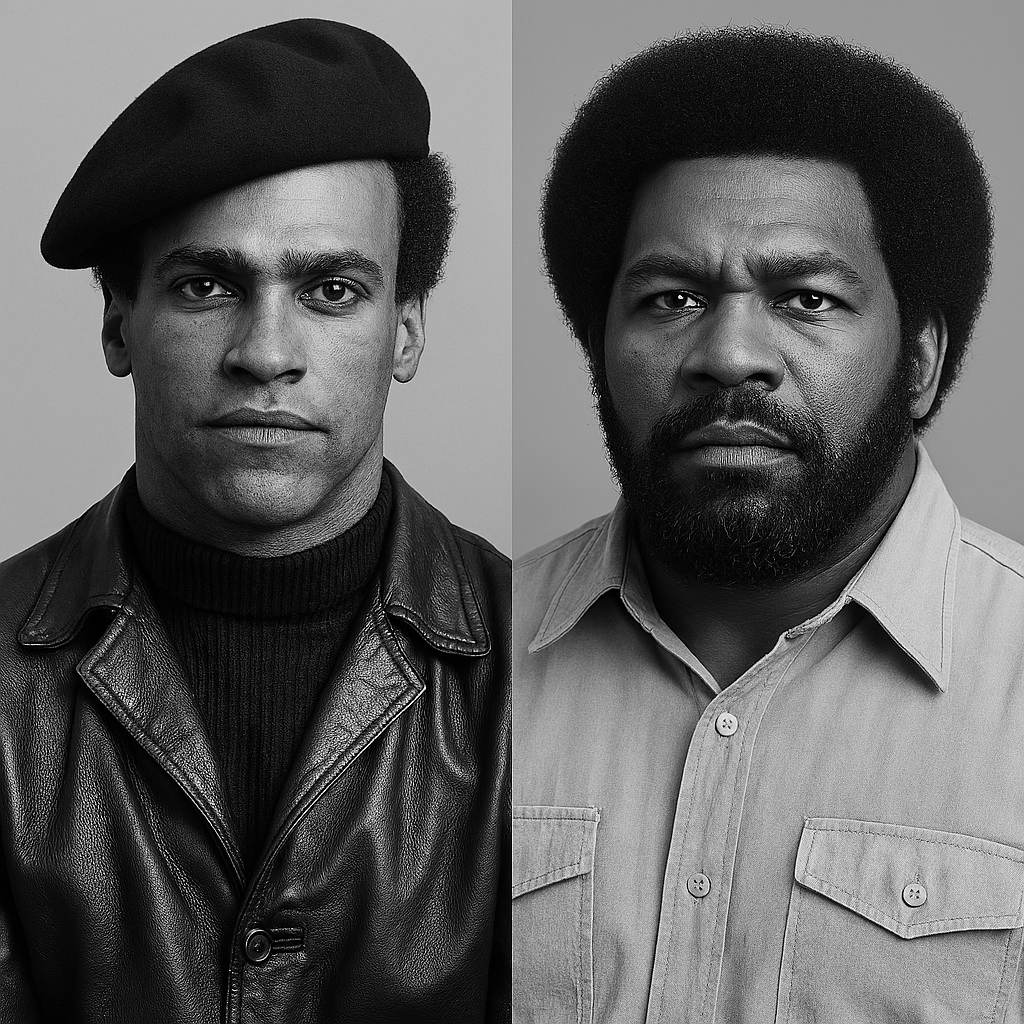
In the late 1960s, many urban communities were under extreme pressure. Economic opportunity was shrinking, public schools were deteriorating, and housing conditions were worsening. At the same time, long‑standing community institutions were under attack. Grassroots organizations that once mediated conflict, fed families, educated youth, and organized self‑defense were either dismantled or destabilized. The result was a vacuum. Into that vacuum stepped young people who refused to accept chaos as normal and abandonment as permanent.
The earliest founders did not speak in the language of war. They spoke about watching over blocks, keeping younger kids safe, and maintaining order where authorities had withdrawn or were openly hostile. Organization was survival. Structure was protection. Leadership meant accountability to the people who lived on the same streets, not dominance over outsiders. The idea that later hardened into slogans and symbols began as a practical response to daily danger and political neglect.
The phrase “Community Revolution In Progress” reflected that moment. The revolution was not abstract. It was taking place on stoops, in alleys, at schools, and in living rooms. It meant young people asserting that their lives had value even when the system treated them as disposable. It was about dignity maintained under pressure.
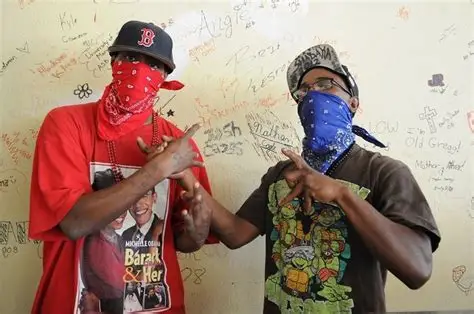
But history rarely allows such movements to evolve undisturbed.
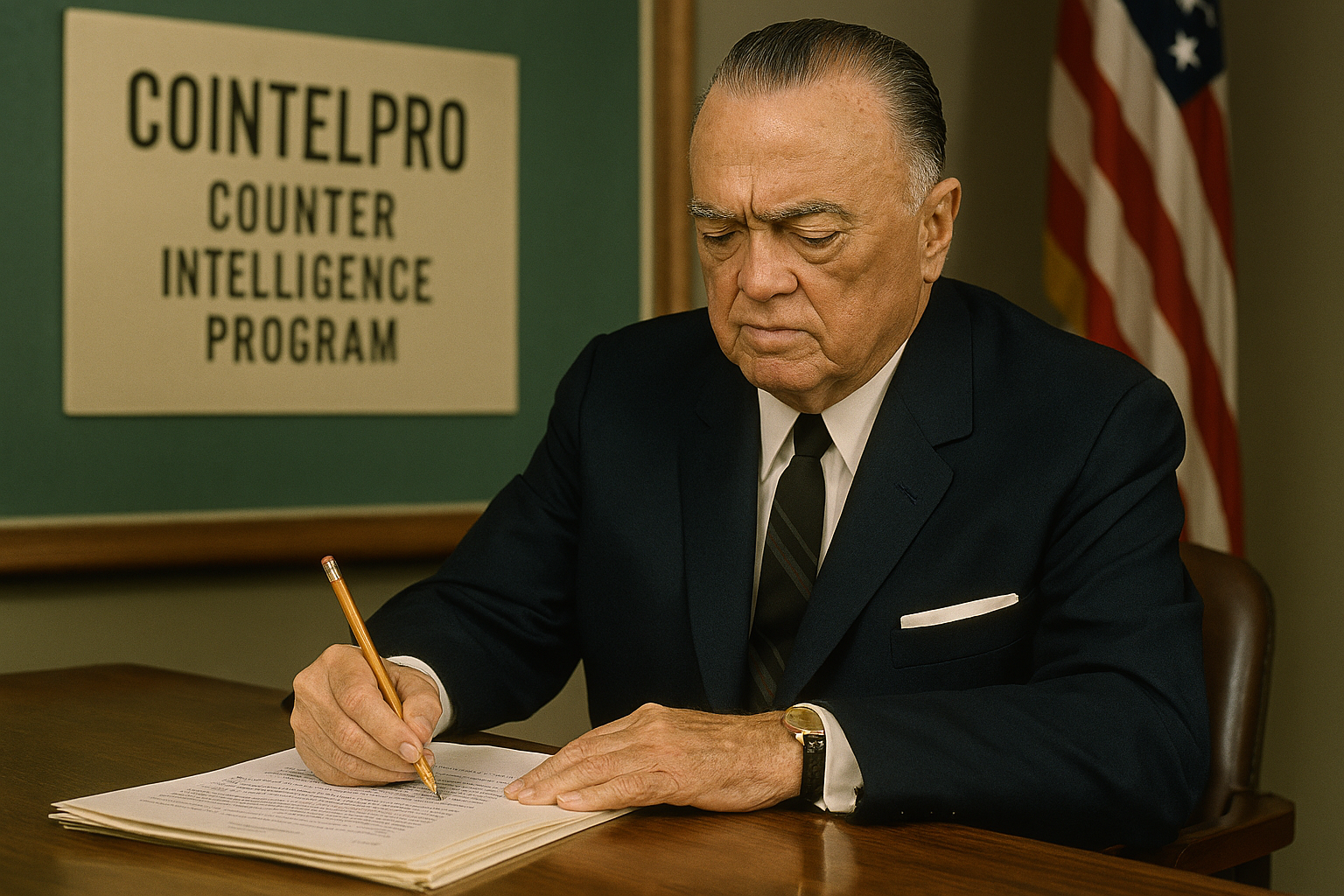
At the federal level, a deliberate campaign was unfolding to suppress and neutralize Black political and community organization. Under the leadership of FBI Director J. Edgar Hoover, the Bureau operated a covert program known as COINTELPRO, short for Counter Intelligence Program. Officially framed as a national security effort, COINTELPRO targeted domestic groups that advocated self‑determination, community control, or political mobilization. Internal FBI documents made clear that the goal was not simply surveillance, but disruption.
One of the most damaging tactics used during this period was psychological warfare through disinformation. The FBI sent anonymous letters and messages that were designed to inflame tensions, undermine trust, and provoke violent outcomes. These communications were carefully crafted and falsely attributed to rival groups or leaders. They accused, insulted, and threatened. They suggested betrayals that never occurred and attacks that were never planned. At moments when dialogue could have prevented escalation, these letters cut off communication and replaced uncertainty with fear.
This strategy was not accidental. COINTELPRO files show explicit language directing field offices to exploit rivalries, increase factionalism, and intensify internal conflict. In Los Angeles and other cities, forged correspondence was used to deepen hostility between organizations that might otherwise have resolved disputes through negotiation. The consequences were deadly. Leadership credibility was shattered. Mediators were isolated. Young people inherited conflicts manufactured in rooms they had never entered, by hands they never saw.
It is essential to be precise about the impact of this interference. The federal government did not invent anger, but it weaponized mistrust. It did not create pain, but it redirected it inward. Communities already strained by poverty and exclusion were pushed toward self‑destruction, while the architects of that manipulation remained hidden behind anonymity and institutional power.
As legitimate leadership was removed or discredited, the mechanisms that once contained conflict disappeared. Retaliation replaced resolution. Identity replaced purpose. Over time, the original reasons for organizing were buried beneath layers of grief and repetition. By the time many young people encountered the names and symbols associated with these groups, the founding intention had already been distorted beyond recognition.
Yet something vital survived beneath the damage.
The instinct to protect one’s own did not vanish. The respect for elders who endured did not disappear. The ability to mobilize people, to organize resources, to command loyalty and attention, all remained. Those capacities were never the problem. The problem was the direction in which they were pushed.
Every truce, every ceasefire, every peace meeting that has occurred since then is evidence that the original vision was never fully extinguished. Each time elders crossed old lines to stop retaliation, each time youth questioned the logic of inherited conflict, the buried foundation surfaced again. That foundation has waited decades to be reclaimed.
Reclaiming “Community Revolution In Progress” today does not mean romanticizing the past or ignoring the harm that followed. It means telling the whole truth. It means acknowledging both agency and manipulation. It means refusing to let lies written decades ago continue to decide who lives and who dies now.
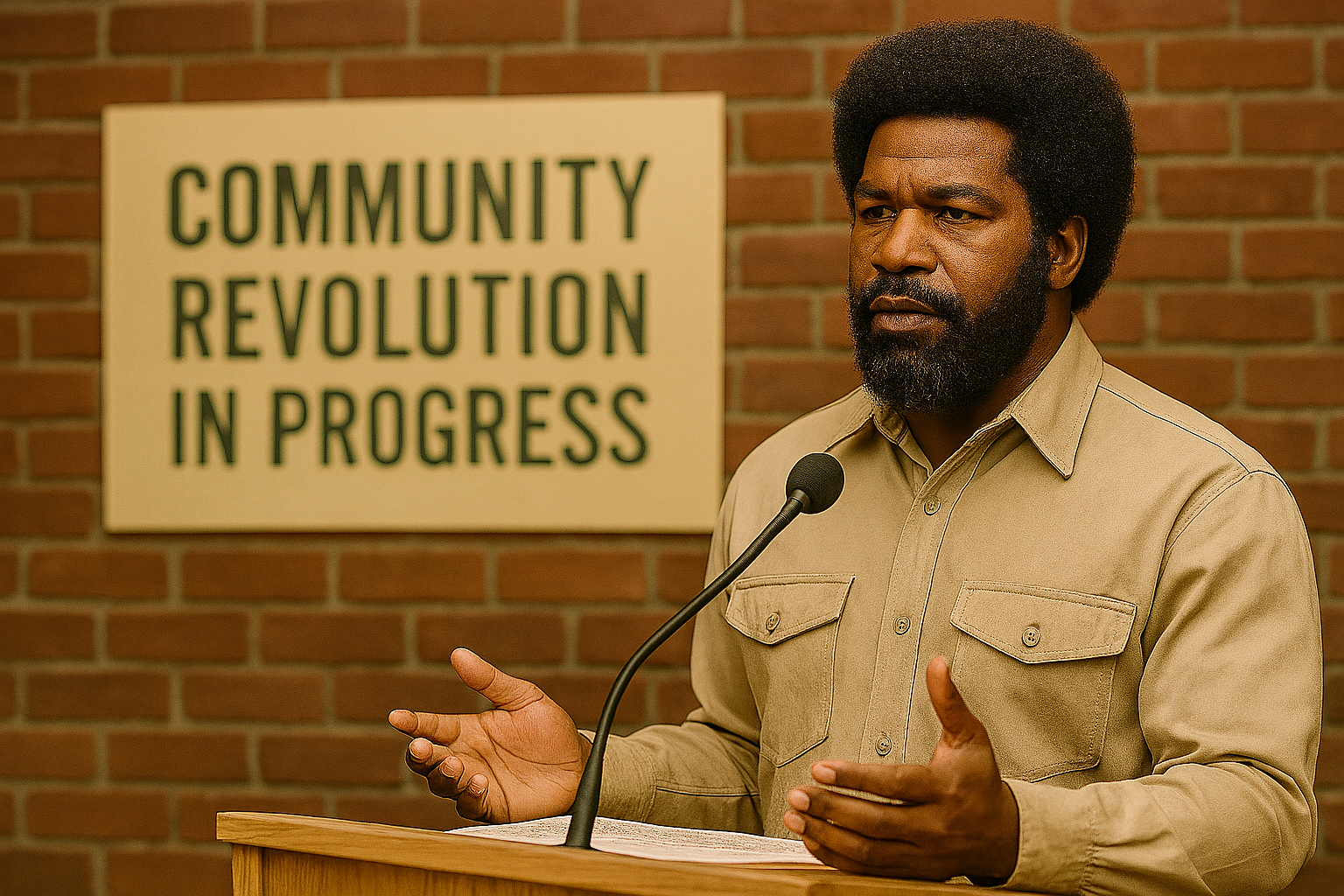
If the original founders were present, their message would be unambiguous. Protection without purpose becomes destruction. Loyalty without wisdom becomes a trap. Strength without direction collapses inward. The revolution they envisioned depended on discipline, clarity, and accountability, not endless bloodletting.
For the elders, often called OGs, this moment carries particular weight. Survival alone is not legacy. Survival plus truth is. Elders carry the lived knowledge of how easily movements can be hijacked and how quickly anger can be steered by false narratives. Speaking openly about the role of disinformation, including the FBI’s use of forged letters under COINTELPRO and J. Edgar Hoover’s leadership, does not weaken the community. It strengthens it by removing shame and confusion. Silence only preserves manipulation.
For the youth, the responsibility is different but no less important. Youth did not create these conflicts, but they have been forced to live inside them. They are told that allegiance is destiny and that questioning the past is betrayal. That message is false. Asking why is the beginning of freedom. A generation that understands how division was engineered is far harder to divide again.
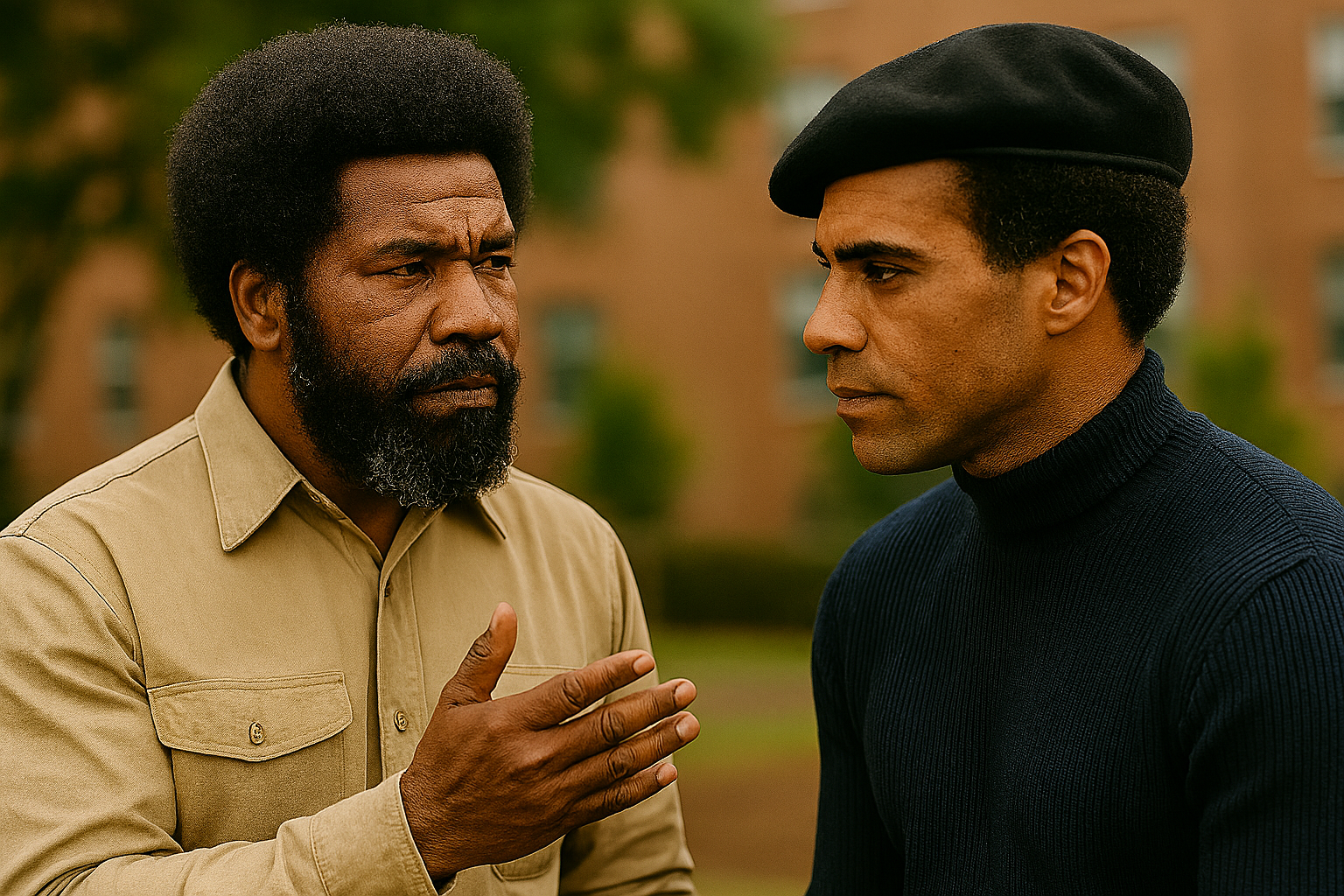
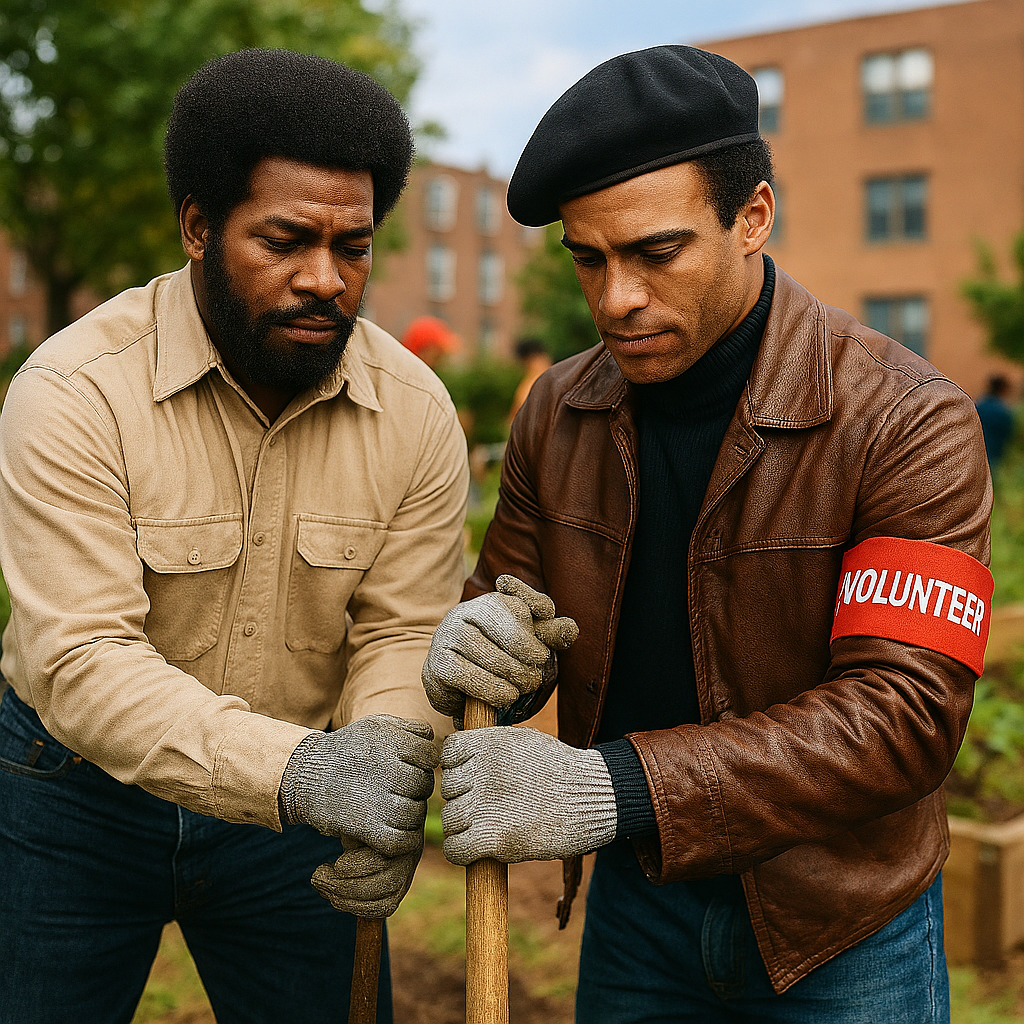
A true community revolution today would look nothing like the caricatures broadcast for decades. It would convert organizational strength into educational pipelines, trade programs, small businesses, and conflict mediation teams. It would redefine protection as prevention and respect as responsibility. It would treat mental health and trauma not as weakness, but as realities that require care.
Such a shift is not theoretical. It requires structure and commitment. It requires elders from different histories forming councils dedicated not to dominance but to intervention, stopping cycles before they restart. It requires youth pathways that offer status through skill and service rather than notoriety. It requires public accountability so peace is visible and reinforced, not whispered and fragile.
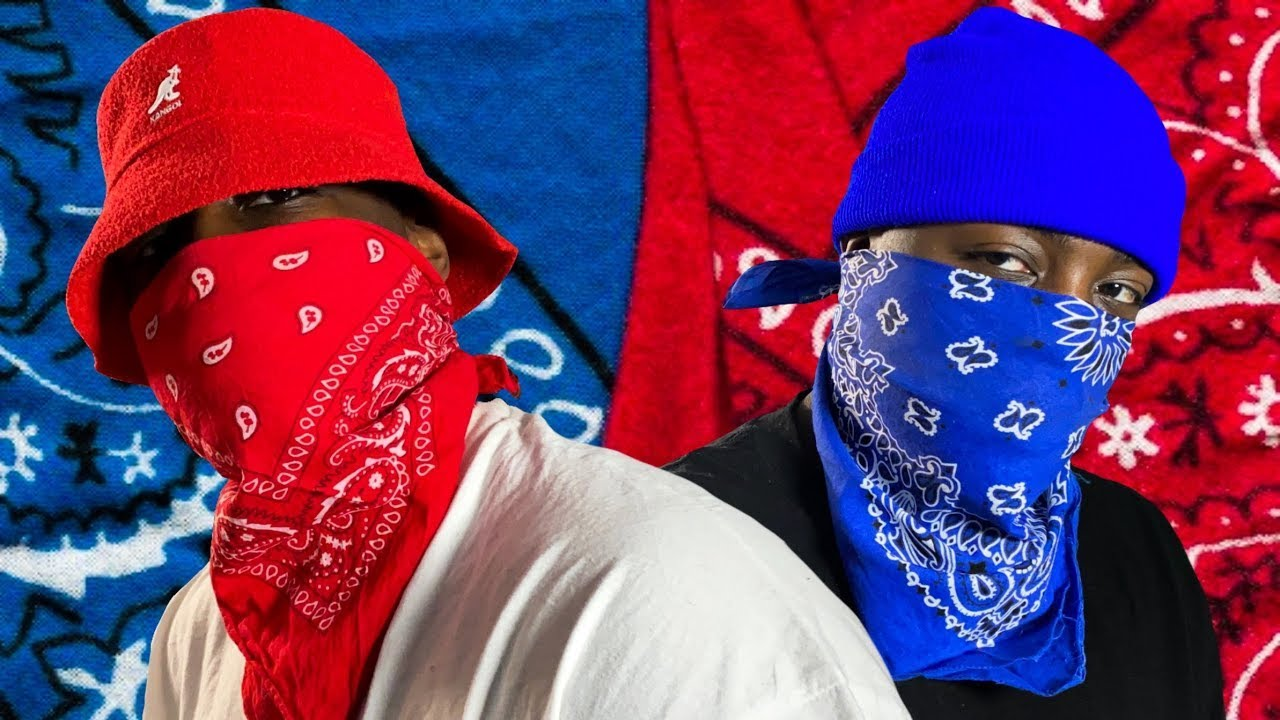
The final step is commitment. Not symbolic statements made once and forgotten, but ongoing obligations renewed openly. Community service conducted together across old lines. Shared affirmations that children, families, and neighbors are off limits, permanently. A shared refusal to allow anonymous messages, rumors, or digital provocations to dictate action ever again.
The call to action is simple, but not easy.
Elders must speak history honestly, naming COINTELPRO, naming the FBI’s role under J. Edgar Hoover, and naming how anonymous letters and fabricated threats reshaped entire neighborhoods. Youth must claim the right to build lives that are not confined by wars they never chose. Communities must stop rewarding destruction with attention and start rewarding peace with protection.
Community Revolution In Progress is not a slogan of nostalgia. It is a decision that can still be made. The revolution now is not against each other, but against the false inevitability of division. It is a revolution of memory, of unity, and of refusal. Refusal to let old lies keep producing new funerals. Refusal to let manipulation outlive those who designed it.
The original vision was about staying alive with dignity. The future depends on whether that vision is finally allowed to finish what it started.
About the Creator
Press Release
I was born and raised in Chicago but lived all over the Midwest. I am health, safety, and Environmental personnel at the shipyard. PLEASE SUBSCRIBE to my vocal and check out my store
Enjoyed the story? Support the Creator.
Subscribe for free to receive all their stories in your feed.
Comments
There are no comments for this story
Be the first to respond and start the conversation.