
Beyond the Stage: How One Los Angeles Nonprofit Is Opening Doors to Careers in Music and Entertainment
With a new grant from the AEG Community Foundation, White Hall Arts Academy Foundation is helping young creatives discover that their future in entertainment extends far beyond the spotlight.
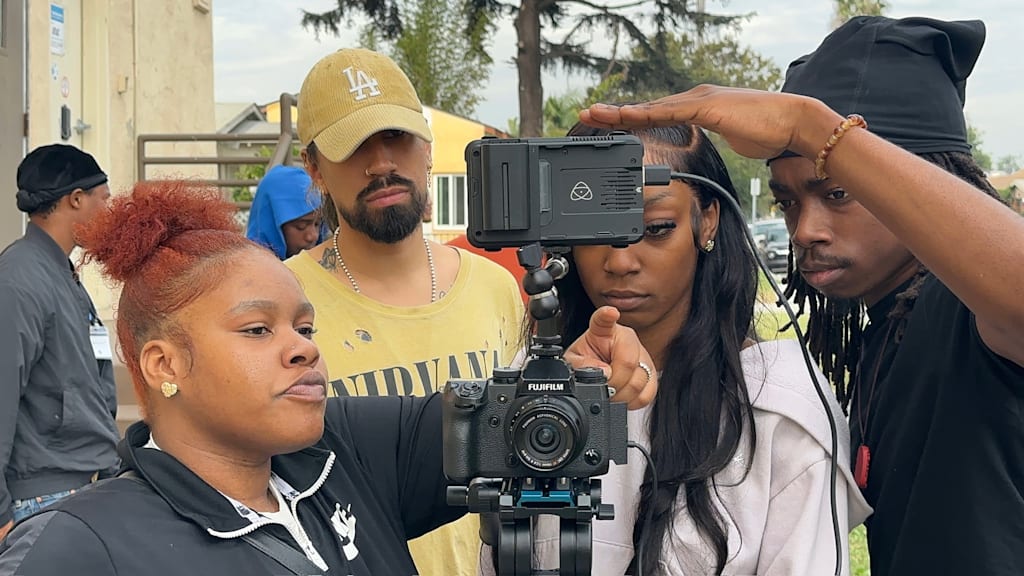
For many young people growing up in Los Angeles, the entertainment industry is everywhere and yet, for some, its opportunities can feel impossibly out of reach.
They see the artists commanding festival stages, the stars walking red carpets, and the excitement surrounding major concerts. What they rarely see are the hundreds of professionals working behind the scenes to make those moments possible.
And for young people without personal connections to those industries, knowing where to begin can be one of the greatest barriers to entry.
That is the gap White Hall Arts Academy Foundation is working to close.
Founded by music educator and creative advocate Tanisha Hall, the South Los Angeles-based nonprofit is helping young people develop the technical skills, creative confidence, and professional relationships necessary to turn artistic interests into sustainable careers.
Now, a new investment from one of the world's largest entertainment companies is helping advance that mission.
A Major Investment in the Next Generation
On October 8, White Hall Arts Academy Foundation was announced as one of 22 nonprofit organizations nationwide receiving support through the 2026 AEG Community Foundation grant program.
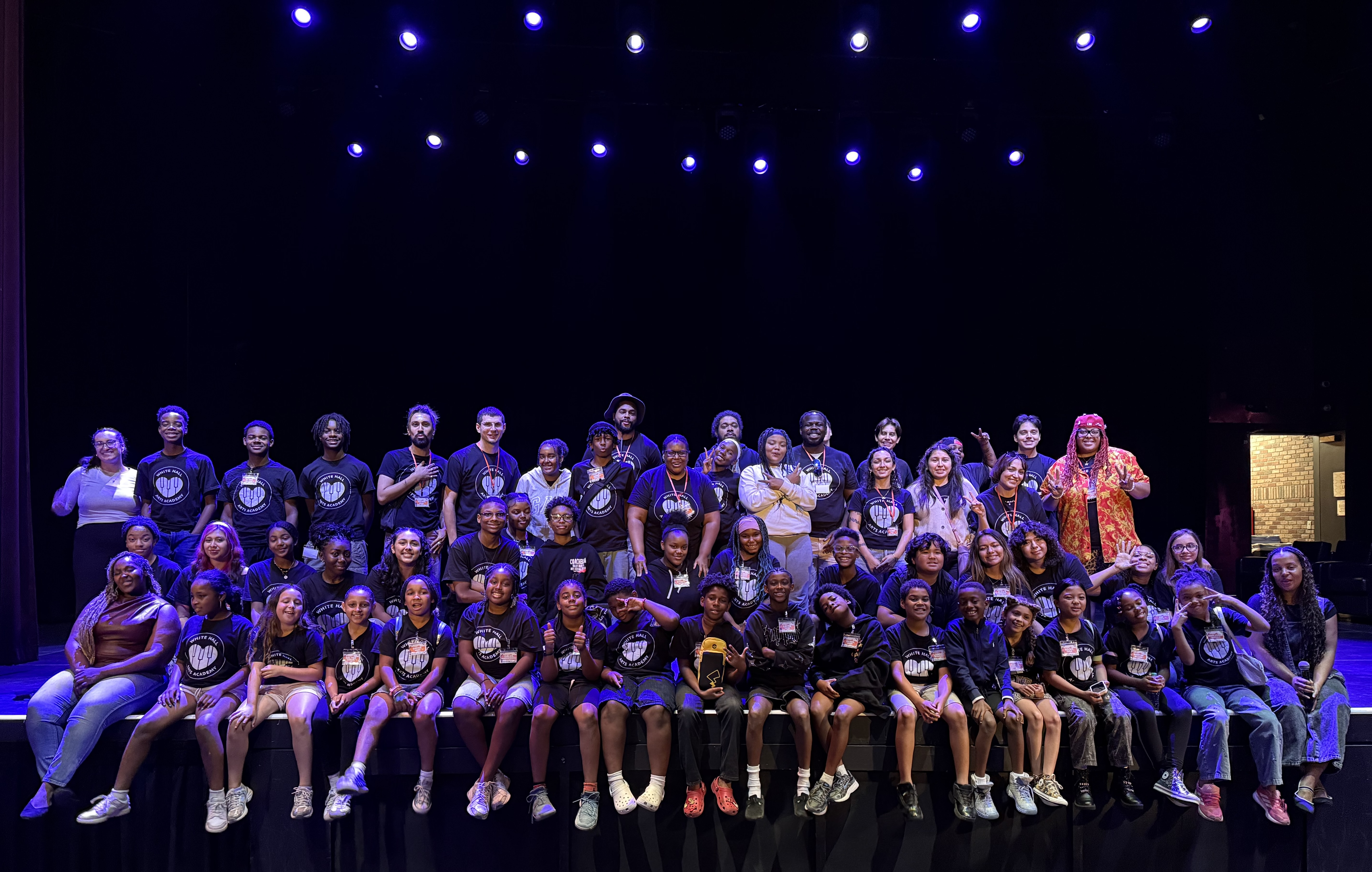
The Foundation is distributing $400,000 in grants ranging from $5,000 to $25,000 to organizations focused on education, arts access, youth development, and community wellness.
For White Hall, the recognition carries significance beyond the financial award. It represents a growing relationship between a community-based arts organization and an entertainment company with the resources and industry connections to help young people envision careers they may never have considered.
"This is bigger than a camp or a training program," said Hall. "We are creating meaningful pathways for young people who have the talent, discipline and creativity to contribute to this industry."
Her philosophy challenges a common assumption about arts education: that success is defined primarily by becoming a performer.
While discovering the next generation of singers, musicians, and actors remains important, Hall believes young creatives should also understand the industries that support those careers.
Beyond the Microphone: Discovering the Business of Entertainment
Earlier this year, students participating in White Hall's Music Creators Camp had an opportunity to experience the entertainment business from a different perspective.
Through a collaboration with AEG and Goldenvoice, students visited The Novo at L.A. LIVE, stepping inside a professional concert venue to learn about the operations that power live entertainment.
Industry executives introduced the students to concert promotion, merchandising, and live-event operations before engaging with them in smaller mentoring sessions.
The experience offered something that cannot always be replicated in a traditional classroom: direct exposure to professionals doing the work.
For a student who loves music but has never considered becoming a sound engineer, lighting designer, production manager, or concert promoter, that exposure can expand their understanding of what a career in entertainment might look like.
It can also change how young people understand their own potential.
The creative economy needs performers, but it also depends on producers, technicians, designers, strategists, and business professionals. Building a more inclusive industry requires creating opportunities for young people to discover and prepare for those roles.
Why Access Matters as Much as Talent
Talent is not limited by geography, income, or circumstance. Access to opportunity, however, often is.
Young people may have extraordinary creative abilities but lack the financial resources, mentorship, equipment, or professional networks needed to develop those skills into viable careers.
Organizations such as White Hall Arts Academy Foundation help address those barriers by connecting arts education with real-world experience.
Through its educational programs, the organization introduces students to music, performance, media production, and the technical disciplines that support creative industries.
Its Soundworks workforce development initiative focuses on training young people, including justice-affected and transition-age foster youth, in areas such as audio engineering, lighting design, and video production.

White Hall also offers year-round creative education through Saturday Sessions, providing opportunities for children and teens to explore instruments, singing, dance, acting, and music production.
Together, these programs reflect a broader commitment to meeting students at different stages of their development.
For some, an arts class may be an introduction to self-expression. For others, it may become the first step toward a professional career.
Both outcomes matter.
When Entertainment Companies Open Their Doors
The growing relationship between White Hall, AEG, and Goldenvoice illustrates an important opportunity for the entertainment industry.
Corporate philanthropy can provide essential funding, but meaningful partnerships can also make professional spaces, expertise, and mentorship more accessible to communities historically underrepresented in the industry's decision-making and technical roles.
AEG's support is part of a broader philanthropic investment in community organizations nationwide. According to the company, its philanthropic efforts in 2025 totaled nearly $30 million through grants, charitable contributions, employee volunteer initiatives, ticket access programs, and in-kind support.
"These organizations are expanding access to education, the arts, and health and wellness programs that make a meaningful difference in people's lives," said Martha Saucedo, AEG's chief external affairs officer, in announcing the 2026 grant recipients.
For nonprofits like White Hall, industry partnerships can help students connect what they learn in educational programs with the realities of the workplace.
The opportunity to meet a working professional, ask questions about their career, or see the inner workings of a concert venue can provide context that makes an unfamiliar career feel more attainable.
Building a Legacy That Outlives the Spotlight
At its heart, White Hall Arts Academy Foundation's work is about more than preparing students for jobs.
It is about widening the range of possibilities young people can imagine for themselves.
A young musician might discover an interest in sound engineering. A student drawn to film might find a passion for production. Another might realize that their organizational skills could translate into a career coordinating major entertainment events.
There is no single pathway into the creative economy, and not every meaningful contribution happens in front of an audience.
As conversations about workforce development, educational equity, and representation continue across the entertainment industry, White Hall's approach offers a practical example of what investing in future talent can look like.
The organization's latest recognition from the AEG Community Foundation reinforces a simple but powerful idea: the next generation of entertainment professionals needs more than inspiration.
They need education, access, mentorship, and opportunities to see themselves as participants in an industry that shapes culture around the world.
Because sometimes, changing a young person's future begins with showing them a door they never knew existed.
White Hall Arts Academy Foundation is a South Los Angeles-based nonprofit dedicated to expanding arts education, workforce development, and creative career pathways for youth and young adults.
Editor's disclosure: The author is a communications strategist and publicist whose agency, The Omni Firm, represents White Hall Arts Academy Foundation. This article draws on organizational information, the AEG Community Foundation grant announcement, and publicly documented program information.
About the Creator
Enjoyed the story? Support the Creator.
Subscribe for free to receive all their stories in your feed.
Comments
There are no comments for this story
Be the first to respond and start the conversation.