
Beyond Blueprints: Exploring the Wide Spectrum of General Contracting
Exploring the Wide Spectrum of General Contracting

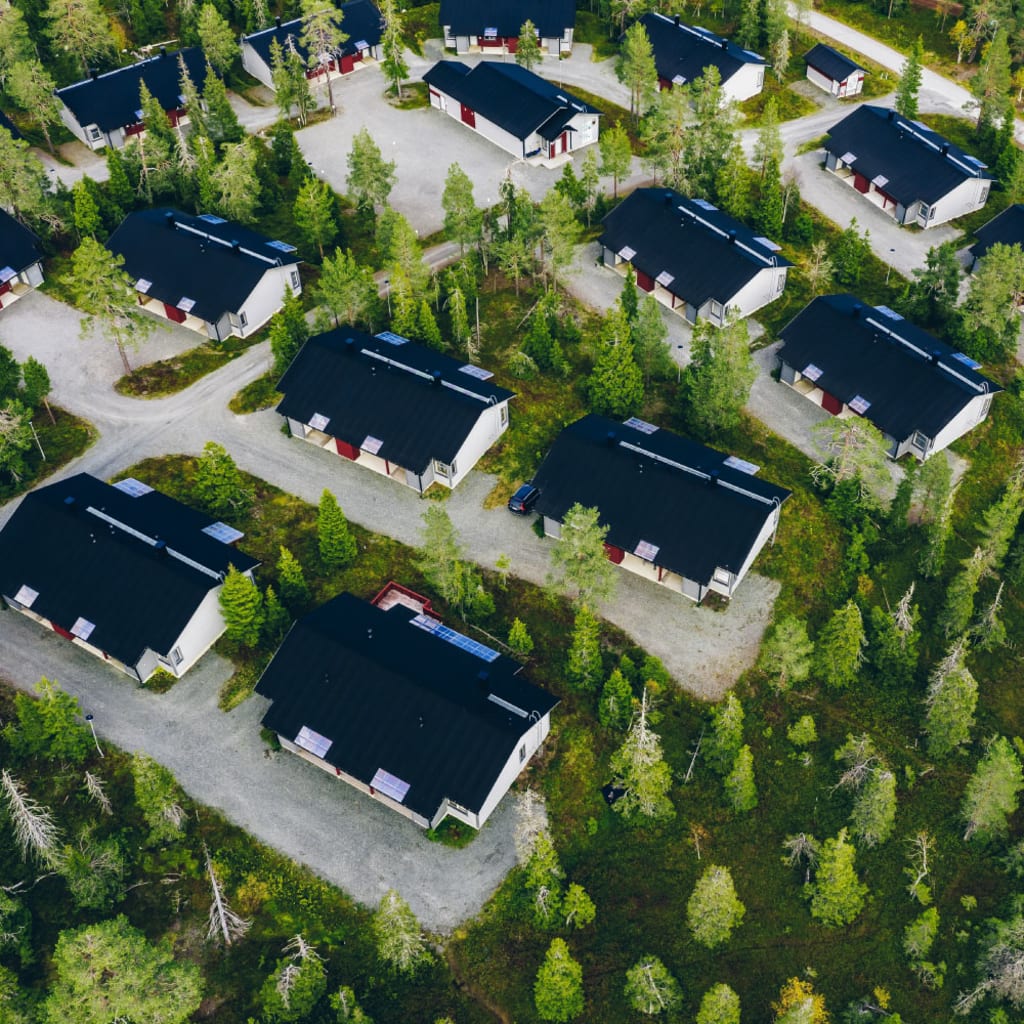
General contracting is often viewed through the lens of hard hats, steel beams, and construction sites, but it is far more than that. It is a profession that transforms ideas into tangible structures, ranging from a modest backyard renovation to the construction of international airports and stadiums. At its heart, general contracting is about problem-solving, coordination, and vision. It operates on scales both small and monumental, serving as a bridge between imagination and the built environment.
Defining the Role of the General Contractor
A general contractor, or GC, is the professional responsible for managing and delivering a construction project from start to finish. This role involves organizing the workforce, sourcing materials, ensuring compliance with codes and safety standards, and maintaining clear communication with stakeholders. General contractors serve as the central figure who ensures that all moving parts—subcontractors, suppliers, architects, and clients—align toward a common goal.
Unlike other roles in construction that may focus on one specialty, such as electrical or plumbing, general contractors are the ultimate coordinators. They must possess knowledge of various trades, legal frameworks, budgeting strategies, and project management techniques. What makes general contracting fascinating is its ability to adapt to vastly different project sizes, each bringing its own unique challenges.
Residential and Small-Scale Projects: Personal and Precise
At the smaller end of the spectrum are residential builds and modest commercial improvements. Projects like kitchen renovations, home additions, or remodeling a small business office may not capture headlines, but they demand precision and strong communication.
For homeowners, even a minor project represents a significant investment—both financially and emotionally. General contractors in this space must not only deliver quality artistry but also provide reassurance and transparency throughout the process. Managing client expectations becomes as essential as pouring a solid foundation or installing new fixtures.
Because small projects often involve tighter budgets and quicker timelines, contractors are challenged to optimize resources without compromising quality. These projects also tend to build long-term relationships, with satisfied clients referring contractors to neighbors, friends, and family. In many ways, small builds act as the foundation upon which larger opportunities are built.
Mid-Sized Projects: A Balance of Efficiency and Innovation
Stepping into the mid-range, projects such as retail centers, schools, or multi-unit housing developments highlight the contractor’s ability to juggle complexity. These ventures involve more subcontractors, larger budgets, and a wider range of technical requirements.
At this level, the focus shifts toward balancing efficiency with innovation. General contractors are increasingly relying on technology, such as Building Information Modeling (BIM), to coordinate with architects, engineers, and builders. These tools allow for precise planning, helping to avoid costly mistakes and delays.
Sustainability often becomes a stronger priority in these builds, as clients seek eco-friendly solutions to reduce long-term operating costs. General contractors must stay informed about emerging materials, energy-efficient systems, and evolving regulations to provide modern and forward-thinking results.
Large-Scale Builds: Complex Systems and High Stakes
When a general contractor takes on a large-scale commercial or institutional project—such as hospitals, convention centers, or corporate headquarters—the stakes grow significantly. These projects involve layers of complexity that require not only technical skill but also exceptional leadership.
Coordination is the name of the game at this level. Dozens of subcontracting teams may be working simultaneously, requiring precise scheduling to avoid costly downtime. Safety standards must be rigorously enforced, as the sheer number of workers increases the potential for accidents.
Financial oversight also becomes critical. A single delay or error can translate into millions of dollars in additional expenses. Contractors must maintain strict project controls, closely monitoring budgets, schedules, and quality benchmarks to ensure adherence to these key metrics. Successful delivery at this scale is as much about strategy and foresight as it is about construction.
Mega Projects: Shaping Cities and Societies
At the very top of the spectrum lie mega projects, the colossal undertakings that redefine landscapes and economies. These include massive bridges, international airports, high-speed rail systems, or sports stadiums that capture global attention.
Mega projects demand not only engineering expertise but also political and financial diplomacy. Contractors in this realm must work with government agencies, international investors, environmental organizations, and entire communities. Success requires extraordinary coordination and communication across multiple jurisdictions.
Technology and sustainability drive innovation in mega projects. Green building practices, renewable energy systems, and smart infrastructure are becoming standard requirements for sustainable development. These projects are not just about completing a structure; they are about leaving a legacy that will serve society for generations. Contractors must anticipate future needs, ensuring their builds remain relevant and resilient in a rapidly changing world.
The Changing Face of General Contracting
While the fundamentals of general contracting remain consistent—planning, coordination, and execution—the industry is evolving rapidly. Modern contractors must be technologically savvy, environmentally conscious, and culturally adaptive.
Drones are being used for aerial site inspections, while AI-powered software assists in predicting potential delays. Prefabrication techniques also streamline construction timelines. Sustainability is no longer optional; it is a requirement. Clients demand projects that reduce carbon footprints, improve energy efficiency, and use responsibly sourced materials.
Equally important is the human element. A growing emphasis on diversity, workforce training, and community engagement means that contractors must also be leaders in social responsibility. General contracting is becoming less about simply “building” and more about creating environments that improve the quality of life.
Why General Contracting Matters
The importance of general contracting lies not only in the structures it produces but in the communities it supports. Small builds improve the comfort and value of family homes, while mega projects create opportunities for economic growth and global connectivity. From neighborhood renovations to world-class infrastructure, general contractors make it possible for societies to progress.
In every case, contracting represents the ability to take something abstract—an idea, a design, or a dream—and turn it into a physical reality. It is the art of bridging imagination with execution, balancing the most minor details with the grandest visions.
The world of general contracting is as diverse as the projects it undertakes. Each scale, from a simple home remodel to a monumental infrastructure project, brings unique challenges and opportunities. What unites them all is the role of the general contractor: a professional who manages complexity, builds trust, and turns visions into reality.
As the industry evolves with technology, sustainability, and societal needs, general contracting will continue to shape not just our skylines but also our way of life. Beyond blueprints and concrete, it is about creating spaces where people live, work, and thrive—a true testament to human ingenuity and collaboration.
About the Creator
Perry Greene
Perry Greene is the President of Taylor Commercial, leading major Southeastern projects, growing revenues to over $ 45 million, and supporting communities through service, mentorship, and family values.
Portfolio: http://perry-greene.com/
Enjoyed the story? Support the Creator.
Subscribe for free to receive all their stories in your feed.
Comments
There are no comments for this story
Be the first to respond and start the conversation.