
Benefits of Animal-Themed Learning Activities for Preschoolers
Helping Young Children Build Vocabulary, Observation, and Communication Skills

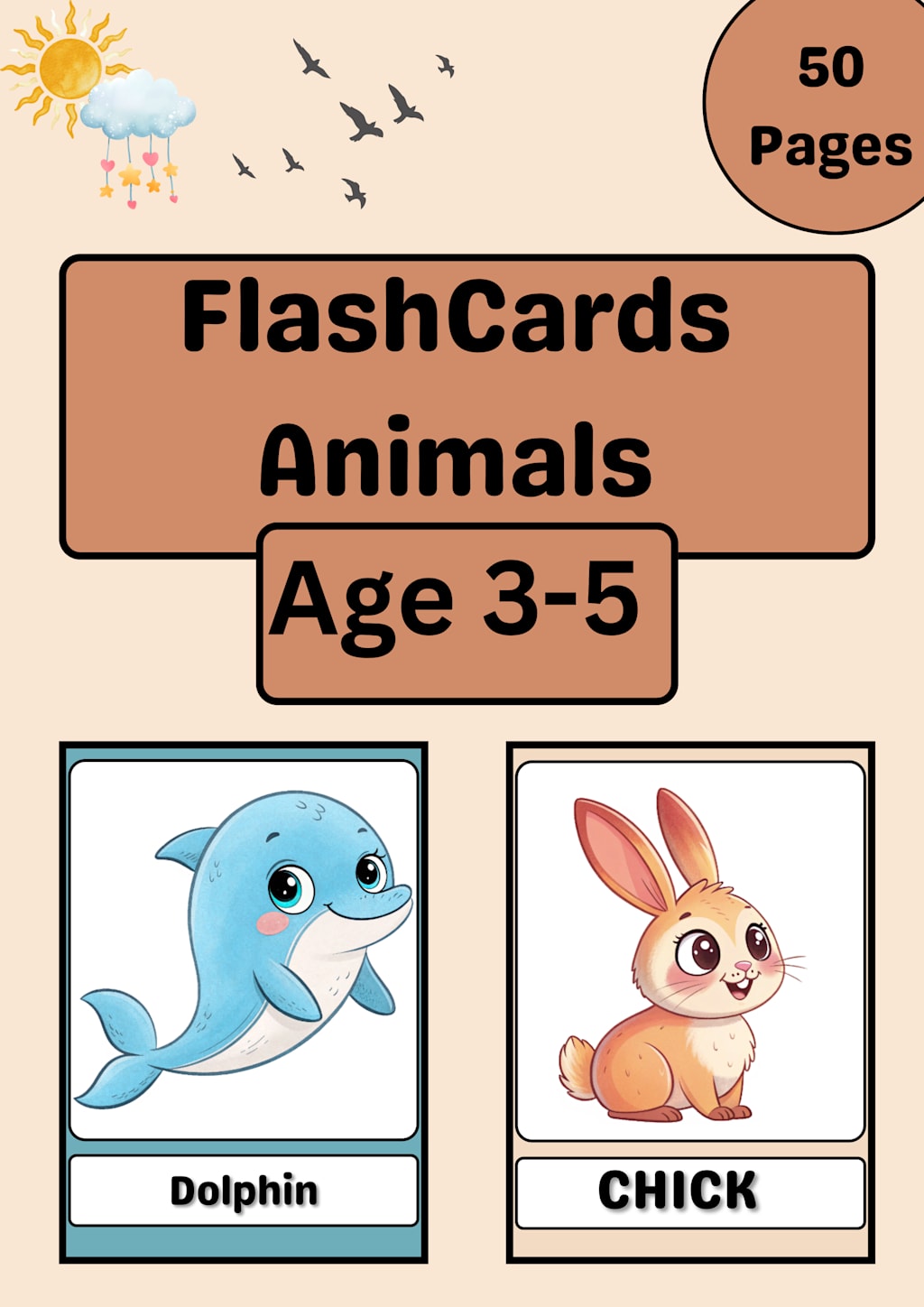
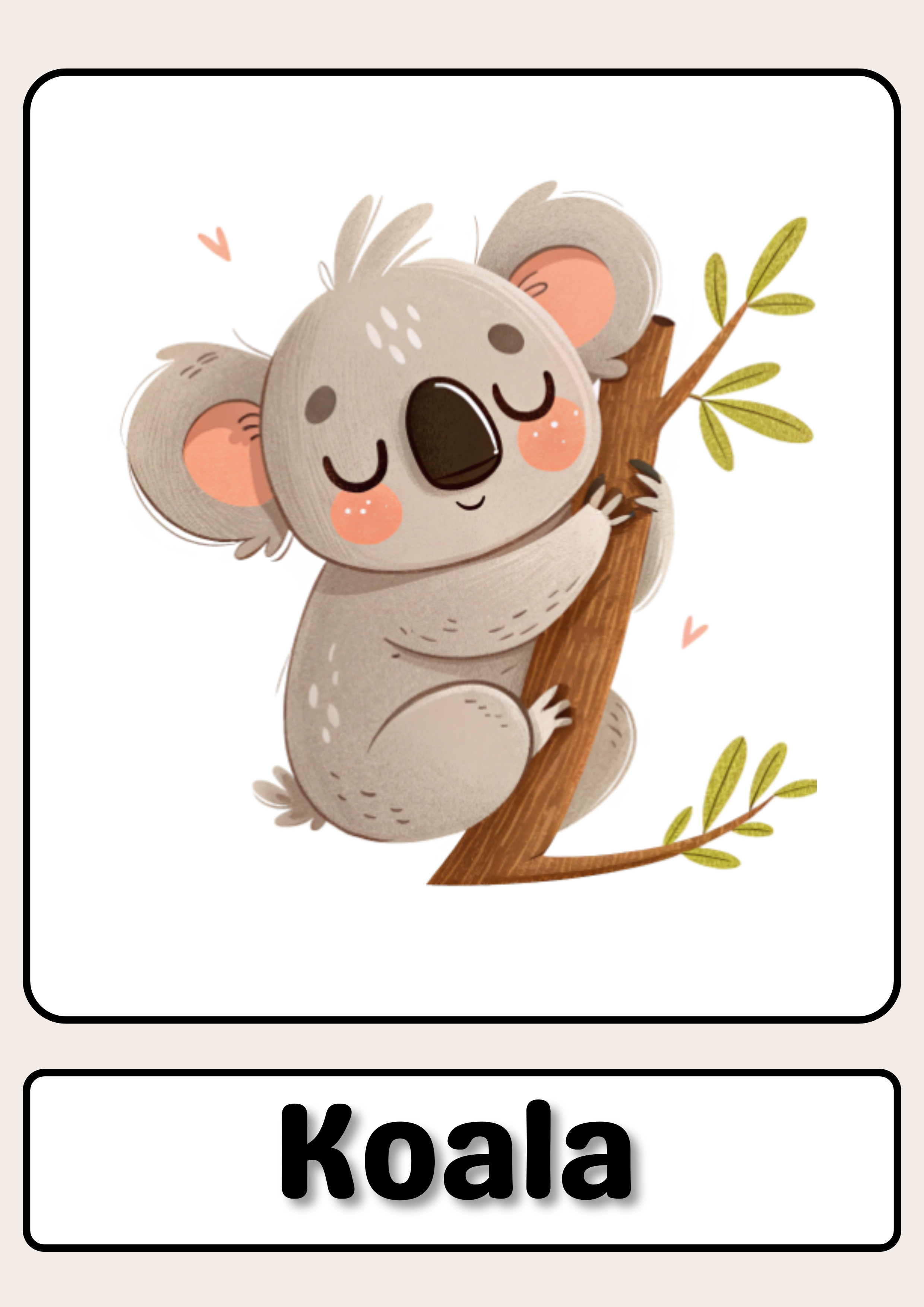
Early childhood is an ideal time to introduce children to the fascinating world of animals. Young learners are naturally curious about the creatures they encounter in books, stories, nature, farms, and zoos. Exploring animals can help children develop observation skills, expand their vocabulary, and build a deeper understanding of the world around them.
Animal-themed learning activities provide engaging opportunities for children to connect visual information with language and real-world concepts. Through age-appropriate educational experiences, preschoolers can strengthen communication skills, improve memory, and develop confidence while learning about different animals and their environments.
This article explores the educational benefits of animal-themed learning activities and how they can support early childhood development in fun and meaningful ways.
What Are Animal-Themed Visual Learning Activities?
Animal-themed visual learning activities use pictures, illustrations, and interactive educational materials to help children recognize, identify, and learn about different animals.
These activities often introduce children to a variety of animal species while encouraging observation, discussion, and vocabulary development. By connecting images with words and concepts, young learners can better understand animal characteristics, habitats, and behaviors in an engaging and age-appropriate way.
Visual learning experiences are especially effective during the preschool years because children naturally learn through observation and repetition. Educational materials featuring animals can help make learning enjoyable while supporting language development, memory, and early cognitive skills.
Why Learning About Animals Is Important for Young Children
Animals are often among the first topics that capture a child's interest. From household pets to wildlife and farm animals, children are naturally curious about the creatures they see in everyday life.
Learning about animals can support several important areas of early childhood development, including:
Vocabulary development
Observation skills
Communication abilities
Memory and recall
Early science understanding
Curiosity and exploration
Appreciation for nature and the environment
Introducing children to animal concepts at an early age can help build a strong foundation for future learning while encouraging a lifelong interest in the natural world.
Key Benefits of Animals Flashcards for Kids
1. Expands Vocabulary Development
Children learn the names of many animals while increasing their language skills.
Examples may include:
Lion
Tiger
Elephant
Monkey
Bear
Rabbit
Dog
Cat
Horse
Zebra
Giraffe
Dolphin
Penguin
Crocodile
Fox
The more words children learn, the stronger their communication abilities become.
2. Strengthens Memory and Recall Skills
Repetition and visual learning activities can help strengthen memory and recall skills.
Benefits include:
Improved visual memory
Faster recognition
Better information retention
Enhanced recall abilities
Long-term learning reinforcement
These skills support future academic success.
3. Supports Early Reading Readiness
Visual learning activities help children connect pictures with written words.
This process strengthens:
Word recognition
Print awareness
Letter familiarity
Early literacy skills
Reading confidence
Children begin understanding that words represent real-world objects and concepts.
4. Encourages Visual Learning
Most preschool-aged children learn best through visual experiences.
The colorful 2D cartoon illustrations help:
Capture attention
Improve engagement
Increase comprehension
Create positive learning experiences
Visual learning is especially effective for children between ages 3 and 5.
5. Develops Observation Skills
Children naturally begin noticing differences between animals.
They learn to observe:
Animal shapes
Colors
Features
Habitats
Similarities and differences
Observation is a fundamental skill that supports scientific thinking.
6. Promotes Early Science Learning
Animal-themed educational activities can introduce children to basic scientific concepts..
Children begin learning about:
Wild animals
Farm animals
Jungle animals
Ocean animals
Arctic animals
Pets
Animal habitats
Animal characteristics
These concepts build a foundation for future science education.
7. Improves Concentration and Focus
Interactive learning activities encourage children to stay engaged and focused.
Regular use helps improve:
Focus
Attention span
Listening skills
Task completion
Learning endurance
These skills transfer into all academic areas.
8. Encourages Independent Learning
Many visual learning activities can encourage independent exploration and discovery.
This promotes:
Self-confidence
Independent thinking
Curiosity
Self-directed learning
Independent learning is an important life skill developed during early childhood.
9. Makes Learning Fun and Engaging
Children learn best when education feels like play.
The friendly cartoon animal designs create an enjoyable experience that motivates children to continue learning.
Learning becomes:
Interactive
Entertaining
Stress-free
Exciting
This increases educational effectiveness.
10-Learning in Different Educational Environments
Animal-themed learning activities can be adapted to a variety of educational settings, making them valuable for young learners in different environments.
These activities may be used in:
Homes and family learning environments
Homeschool programs
Preschool classrooms
Kindergarten readiness programs
Childcare and early education centers
Regardless of the setting, animal-based educational experiences can encourage observation, communication, and active participation in learning.
11. Enhancing Communication Skills
Children can strengthen communication skills through activities that encourage them to:
Name animals
Describe characteristics
Ask questions
Express ideas
Build complete sentences
These experiences support language development and help children become more confident communicators.
12. Supporting Diverse Learning Needs
Children learn in different ways, and visual learning activities can help support a variety of learning styles.
Visual educational materials may benefit children by:
Providing clear visual cues
Encouraging engagement and participation
Supporting language development
Reinforcing memory and recognition skills
Making learning more accessible and enjoyable
A flexible learning approach can help children feel more confident as they explore new concepts.
Reducing Screen Time Through Active Learning
Many families look for opportunities to balance screen use with hands-on educational experiences.
Interactive learning activities can encourage:
Face-to-face interaction
Active participation
Observation and discussion
Creative thinking
Parent-child engagement
These experiences help create meaningful learning moments while supporting healthy developmental habits.
Building Confidence Through Learning
Young children often gain confidence when they successfully learn new concepts and recognize familiar information.
As children develop new skills and expand their knowledge, they can build:
Self-esteem
Confidence
Motivation to learn
Positive learning habits
A sense of accomplishment
These qualities contribute to a strong foundation for future educational success.
Conclusion
Animal-themed learning experiences provide young children with valuable opportunities to develop vocabulary, communication skills, observation abilities, and curiosity about the natural world.
By exploring animals through engaging educational activities, children can strengthen important early learning skills while building a deeper understanding of the world around them.
Parents, educators, and caregivers can use a variety of age-appropriate learning experiences to encourage discovery, discussion, and critical thinking during the preschool years.
When learning is interactive, meaningful, and enjoyable, children are more likely to develop a lifelong love of learning and exploration.
Readers interested in exploring educational resources can find additional information through my profile.
About the Creator
Noor Kids Academy
Publisher of Educational Activity Books, Worksheets, Mazes, Tracing and Printable Learning Resources for Kids Ages 3–8.
Enjoyed the story? Support the Creator.
Subscribe for free to receive all their stories in your feed.
Comments
There are no comments for this story
Be the first to respond and start the conversation.