
BDS vs MBBS: How to Make the Right Medical Career Decision
BDS vs MBBS

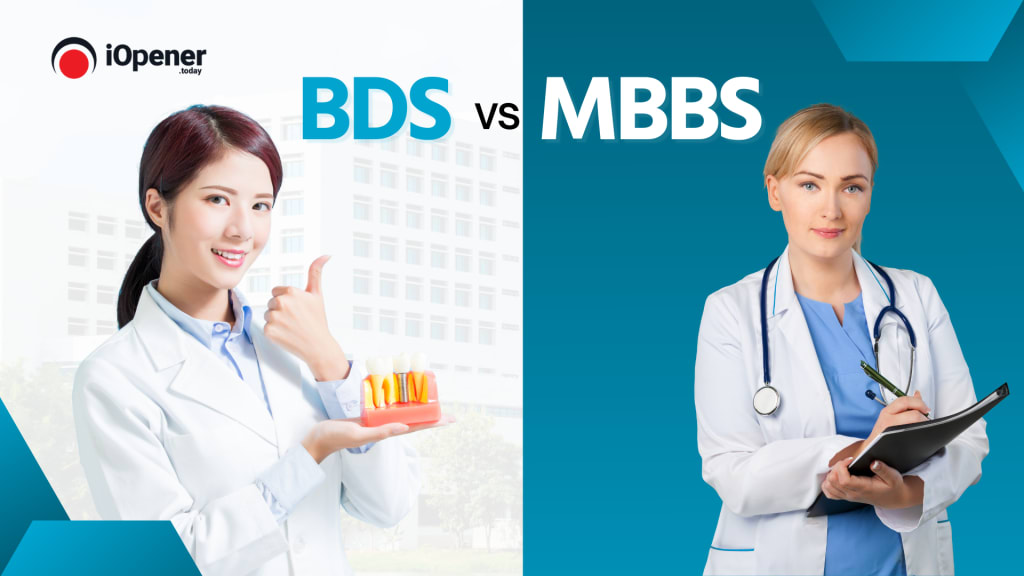
Choosing a career in the medical field is one of the most significant decisions after 12th grade. Among the most popular paths are BDS and MBBS. Both fields offer rewarding careers, but they differ in many aspects. Understanding the differences and evaluating your preferences will help you make an informed decision. In this article, we will explore how to choose between BDS and MBBS based on several factors.
What is BDS and MBBS?
Before diving into the comparison, let’s understand the two options:
BDS (Bachelor of Dental Surgery): A 5-year undergraduate program that focuses on dental care, including diagnosis, prevention, and treatment of oral diseases.
MBBS (Bachelor of Medicine, Bachelor of Surgery): A 5.5-year undergraduate program that prepares students to become doctors. It includes both general medicine and surgery, with opportunities to specialize later.
Key Factors to Consider When Choosing Between BDS and MBBS
When deciding between BDS and MBBS, there are several factors to consider:
1. Career Goals and Interests
Your personal interests play a crucial role in making the right choice.BDS is ideal if you are passionate about dental care. If you enjoy working on oral health and aesthetics, BDS will allow you to specialize in areas like orthodontics, periodontics, and oral surgery.
MBBS offers a broader range of career opportunities. If you are interested in diagnosing and treating a wide variety of medical conditions, MBBS provides flexibility. You can specialize in fields like cardiology, dermatology, pediatrics, or surgery.
2. Duration and Course Structure
The duration and structure of the courses differ, and this can affect your decision. BDS is a 5-year undergraduate program, followed by an internship. The shorter duration allows you to start your career sooner, which may be appealing for those eager to work.
MBBS takes 5.5 years to complete, plus additional years for specialization. While this means a longer educational journey, MBBS offers a more extensive understanding of medical science, providing the foundation for a broader career scope.
3. Job Opportunities and Stability
Both fields offer stable job opportunities, but the scope and variety differ.BDS graduates often work in private dental practices. While there is a steady demand for dental care, especially with rising awareness about oral health, job opportunities in public health sectors are more limited compared to MBBS.
MBBS offers more diverse job opportunities, ranging from general medicine to various specialties. Doctors are always in demand, with opportunities in hospitals, clinics, government health schemes, and private practice. This provides a higher level of job security.
4. Income Potential
Both BDS and MBBS offer good income potential, but there are differences. BDS professionals can earn well, especially if they own their private practice. However, their income may depend on factors such as the location of their practice and patient base.
MBBS graduates, particularly those who specialize, tend to earn higher salaries. Doctors in specialized fields like cardiology or orthopedics can earn significantly more. Additionally, MBBS offers greater career flexibility, which may result in higher long-term earnings.
5. Work-Life Balance
Work-life balance is a key consideration for many students. BDS professionals typically have more predictable working hours. They work in dental clinics with fewer emergencies and night shifts, making it easier to maintain a balanced lifestyle.
MBBS professionals, especially those in hospitals or emergency medicine, may experience a more demanding work schedule. Doctors often work long hours, including nights, weekends, and holidays, which may affect work-life balance.
Pros and Cons of BDS and MBBS
Here’s a breakdown of the advantages and disadvantages of both fields: BDS Pros:
Shorter Duration: BDS takes less time to complete compared to MBBS, allowing you to start your career sooner.
Growing Demand: The need for dental professionals is increasing as awareness of oral health grows.
Better Work-Life Balance: Dentists generally work regular hours with fewer emergencies.
Potential for Private Practice: Many BDS graduates open their own clinics, providing financial independence.
BDS Cons:
Limited Scope: BDS focuses solely on dentistry, which can be limiting for those seeking variety.
Requires Investment for Private Practice: Starting your own practice requires investment and time to build a patient base.
Lower Prestige: Compared to MBBS, BDS may not carry the same level of social prestige in some cultures.
MBBS Pros:
Wide Career Opportunities: MBBS opens doors to a variety of specialties, offering greater flexibility.
Job Security: The healthcare industry is always in need of doctors, ensuring steady demand and job stability.
International Opportunities: MBBS degrees are recognized worldwide, providing global career prospects.
Potential for High Income: Specializing in high-demand areas can result in significant earnings.
MBBS Cons:
Longer Duration: The educational journey for MBBS is longer, requiring a more extended commitment.
Stressful Work Environment: The medical profession is often stressful, with long hours and high responsibility.
Expensive Education: Medical education, particularly in reputed institutions, can be expensive.
How to Make the Right Decision Between BDS and MBBS
To determine which career path suits you best, consider these factors:
Your Passion: If you have a deep interest in dentistry, enjoy working on teeth, and prefer a specialized field, BDS may be the right fit. If you are more interested in general healthcare and a variety of medical fields, MBBS offers more flexibility.
Career Flexibility: If you value career flexibility, MBBS may be the better option. It allows you to specialize in a variety of fields and offers international opportunities. BDS, while rewarding, is more focused on dental care.
Lifestyle Preferences: Consider your preferred work-life balance. If you want a more predictable schedule, BDS might be the right choice. However, if you’re willing to sacrifice some balance for a broader career scope, MBBS could offer more long-term opportunities.
Conclusion
Both BDS and MBBS are prestigious and rewarding career choices. However, they cater to different interests and career goals. If you are passionate about dentistry and prefer a shorter, specialized course, BDS is an excellent choice. If you are interested in general healthcare with diverse opportunities for specialization, MBBS may offer more long-term rewards. Assess your interests, career goals, and lifestyle preferences before making your final decision.
About the Creator
Amanat Kaur
I am a Tech Blogger, I am also working As Digital marketing and SEO Executive.
Enjoyed the story? Support the Creator.
Subscribe for free to receive all their stories in your feed.
Comments
There are no comments for this story
Be the first to respond and start the conversation.