

Artificial Intelligence, or AI for short, is a rapidly developing field of computer science that focuses on creating intelligent machines that can learn and adapt to new situations. AI systems use algorithms and statistical models to analyze and interpret data, allowing them to recognize patterns and make predictions based on that data.
AI has a wide range of applications, from image and speech recognition to natural language processing and predictive modeling. Some of the most popular examples of AI include virtual assistants like Siri and Alexa, self-driving cars, and facial recognition software.

One of the most significant advancements in AI in recent years has been the development of deep learning algorithms. These algorithms use neural networks to analyze vast amounts of data and improve their accuracy over time through a process called training. Deep learning has led to breakthroughs in computer vision, natural language processing, and robotics, among other fields.
Another exciting area of AI is reinforcement learning, which is based on the idea of trial-and-error learning. In reinforcement learning, an AI agent interacts with its environment and receives feedback in the form of rewards or punishments based on its actions. Through this process, the agent learns to make decisions that maximize its long-term reward.
AI has the potential to revolutionize many industries, from healthcare and finance to transportation and entertainment. For example, AI-powered medical diagnostics could help doctors detect diseases earlier and with greater accuracy, while self-driving cars could reduce traffic accidents and make transportation more efficient.
However, AI also raises concerns about job displacement and ethical issues like privacy and bias. As AI continues to develop, it's important to consider the potential implications and ensure that it's used in ways that benefit society as a whole.
In conclusion, AI is a rapidly evolving field that holds great promise for the future. With the potential to transform a wide range of industries, it's essential to continue to invest in AI research and development while also considering the ethical implications of its use.
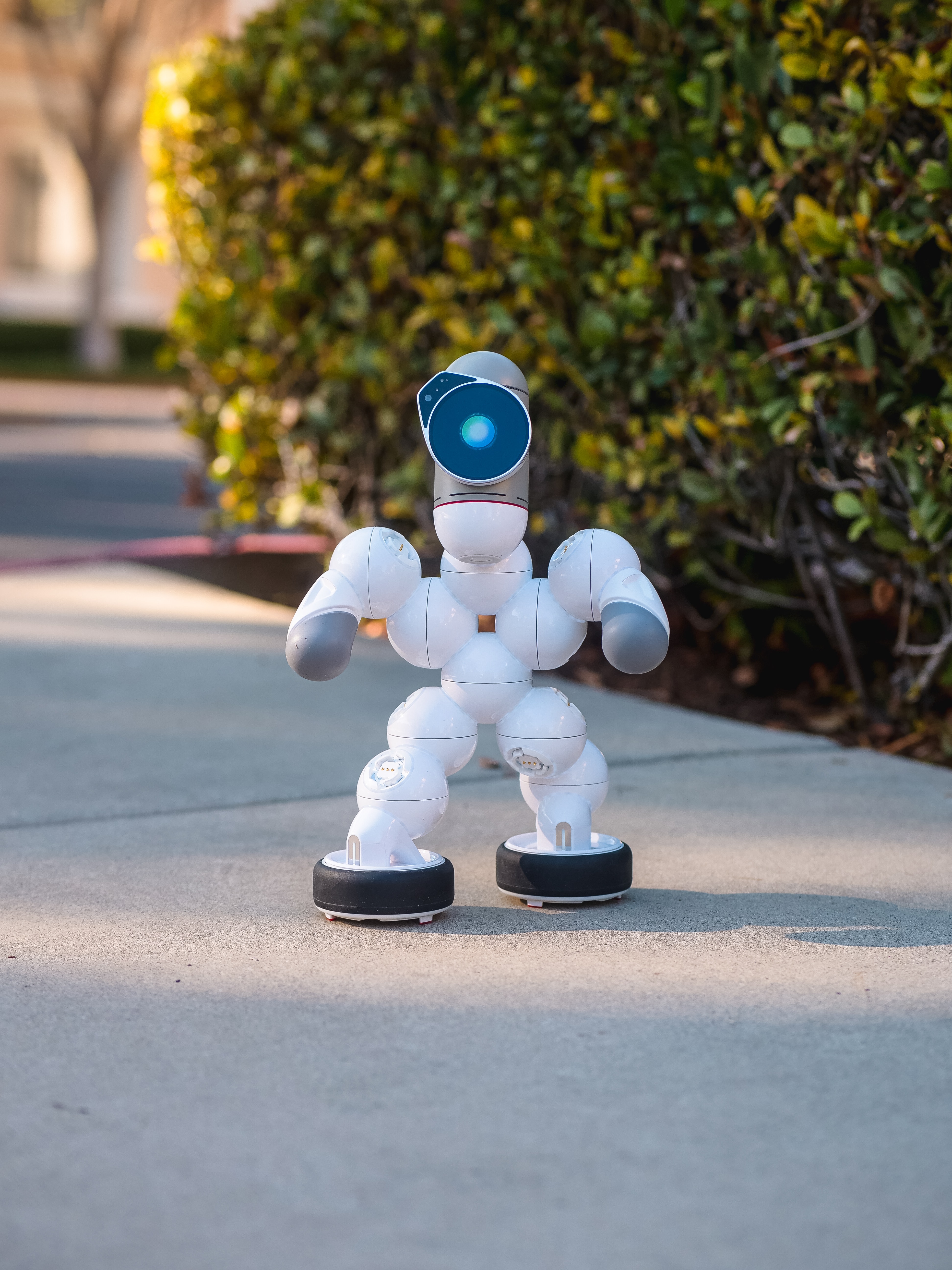
The purpose of AI, or Artificial Intelligence, is to create machines that can perform tasks that typically require human intelligence, such as perception, reasoning, learning, and problem-solving. The goal of AI is to create intelligent machines that can perform these tasks better, faster, and more accurately than humans can.
AI has a wide range of applications in various industries, from healthcare and finance to transportation and entertainment. For example, in healthcare, AI can be used to analyze medical images and help diagnose diseases, while in finance, AI can be used to analyze large amounts of financial data and make predictions about stock prices or market trends. In transportation, self-driving cars are a prime example of how AI can be used to improve safety and efficiency on the roads.
One of the primary benefits of AI is that it can automate routine or repetitive tasks, freeing up humans to focus on more complex or creative work. For example, in manufacturing, robots powered by AI can perform repetitive tasks such as assembly line work, freeing up humans to focus on more complex tasks like quality control or design.
AI also has the potential to help solve some of the world's most pressing challenges, such as climate change, food insecurity, and healthcare access. For example, AI-powered precision agriculture can help farmers optimize crop yields and reduce waste, while AI-powered climate models can help us better understand and mitigate the impacts of climate change.
However, AI also raises concerns about job displacement, privacy, bias, and safety. As AI continues to evolve, it's important to consider these potential implications and ensure that it's used in ways that benefit society as a whole.
In summary, the purpose of AI is to create machines that can perform tasks that typically require human intelligence, with the goal of improving efficiency, accuracy, and safety across a wide range of industries. While there are potential concerns associated with AI, its potential benefits make it a powerful tool for addressing some of the world's most pressing challenges.
About the Creator
Enjoyed the story? Support the Creator.
Subscribe for free to receive all their stories in your feed.
Comments
There are no comments for this story
Be the first to respond and start the conversation.