
Introduction:
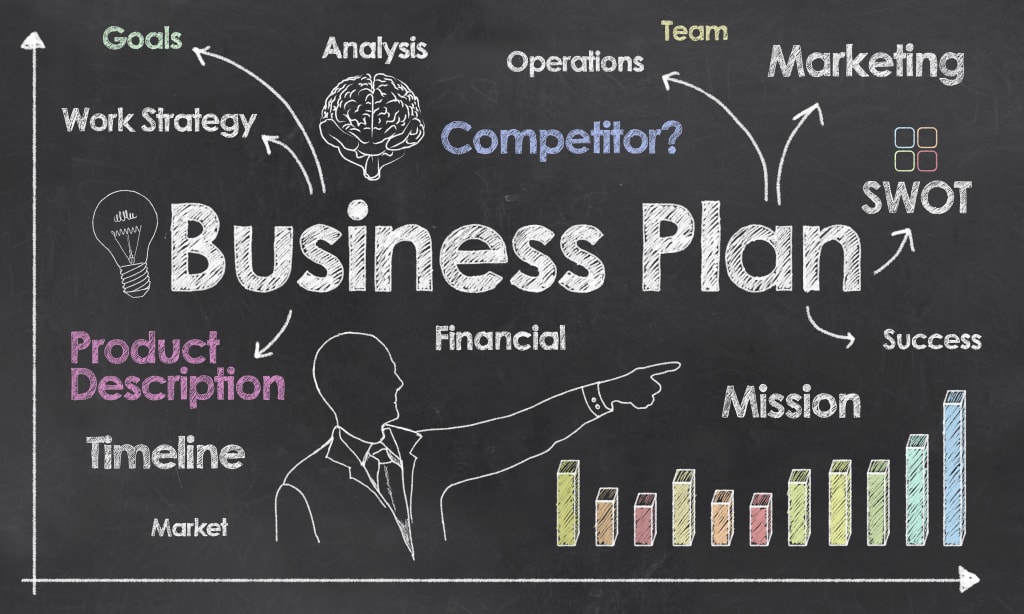
Every successful business venture begins with a well-crafted business plan. A business plan serves as a roadmap that outlines your vision, objectives, strategies, and financial projections. It is a crucial document that not only helps you secure funding but also guides you in making informed decisions, mitigating risks, and achieving long-term success. In this article, we will delve into the key components of a comprehensive business plan and provide insights on how to create one that sets your business up for success.
Executive Summary:
The executive summary serves as an overview of your business plan, providing a snapshot of your company's purpose, target market, unique value proposition, and financial highlights. Although it appears at the beginning of the plan, it is often written last, as it summarizes the key points from each section.
Company Description:
In this section, provide a detailed description of your company, including its legal structure, mission statement, history, and core values. Clearly articulate your product or service offerings and explain how they address the needs of your target market. Describe your competitive advantage and highlight what sets your business apart from others in the industry.
Market Analysis:
Conduct a thorough analysis of your target market, including its size, growth potential, trends, and customer demographics. Identify your target audience and outline your marketing and sales strategies to effectively reach them. Analyze your competitors, their strengths, weaknesses, and positioning, and explain how your business will differentiate itself to capture market share.
Organization and Management:
Describe the organizational structure of your company and provide an overview of key management personnel. Highlight their skills, expertise, and roles within the organization. This section should also include an assessment of your team's strengths and any hiring or training plans to support future growth.
Product or Service Line:
Provide detailed information about your products or services. Explain their features, benefits, and how they fulfill customer needs. If applicable, discuss any research and development efforts, intellectual property rights, or proprietary technology that give your offerings a competitive edge.
Marketing and Sales Strategies:
Outline your marketing and sales strategies to attract and retain customers. Describe your pricing strategy, distribution channels, and promotional tactics. Detail your online and offline marketing initiatives, including advertising, public relations, social media, and partnerships.
Financial Projections:
Develop a comprehensive financial plan that includes income statements, cash flow statements, and balance sheets. Forecast your revenue, expenses, and profitability for the next three to five years. Include assumptions and factors that could impact your financial projections, such as market conditions, pricing changes, or regulatory constraints. This section should also address funding requirements, potential sources of funding, and the expected return on investment for investors.
Operations and Management Plan:
Detail your operational processes, including manufacturing, sourcing, or service delivery. Discuss the location and facilities required to operate your business effectively. If applicable, outline any strategic partnerships or key suppliers that are critical to your operations.
Risk Assessment and Mitigation Strategies:
Identify potential risks and challenges that could impact your business. Assess their potential impact and likelihood of occurrence. Develop contingency plans and mitigation strategies to address these risks, such as market fluctuations, regulatory changes, or supply chain disruptions.
Implementation Plan:
Provide a timeline for executing your business plan and achieving key milestones. Break down your plan into actionable steps, assign responsibilities, and set deadlines. Include a monitoring and evaluation framework to track progress and make adjustments as necessary.
Conclusion:
Crafting a well-structured business plan is essential for any aspiring entrepreneur or existing business owner. It serves as a blueprint for success, enabling you to articulate your vision, attract investors, and navigate the competitive landscape. By addressing each component mentioned above and tailoring them to your specific business, you will be better equipped to make informed decisions, adapt to changing circumstances, and achieve long-term growth and profitability. Remember, a business plan is not a static document—it should be reviewed and updated regularly to reflect the evolving nature of your business and market conditions.
About the Creator
Enjoyed the story? Support the Creator.
Subscribe for free to receive all their stories in your feed.
Comments
There are no comments for this story
Be the first to respond and start the conversation.