
Are Programming Really Easy? Understanding the Basics and Challenges
Are Programming Really Easy? Understanding the Basics and Challenges

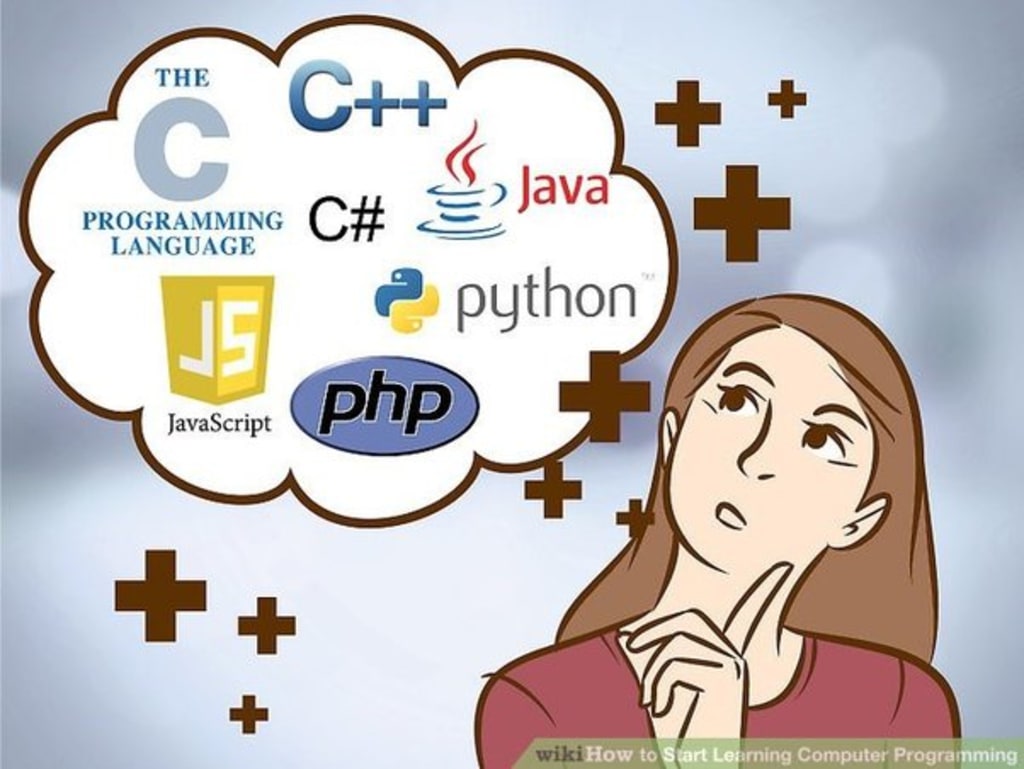
Many people wonder if programming is really easy. The truth is that programming can be straightforward for some and challenging for others, depending on various factors like prior experience and learning style. With the right resources and a willingness to learn, many individuals find themselves able to grasp programming concepts more quickly than they anticipated.
Interest in coding has surged, leading to a plethora of tutorials and courses available online. This accessibility allows beginners to explore programming at their own pace, often making the process feel less daunting. Those who approach it with enthusiasm and persistence are more likely to succeed.
Despite the common belief that programming is inherently difficult, many newcomers discover a sense of satisfaction as they build their skills. With practice, what initially seems complex can become manageable, revealing a world of opportunities for problem-solving and creativity.
Misconceptions about Programming Ease
Many individuals hold varying misconceptions about the simplicity of programming. These misunderstandings often stem from cultural narratives, personal experiences, or the diverse nature of programming languages and their complexities.
Cultural Perceptions
Cultural narratives often paint programming as an activity suited only for geniuses. This portrayal leads many to believe that if one struggles with it, they simply lack the necessary intelligence.
Such perspectives overlook the fact that programming requires practice and persistence. A common stereotype is that programmers are inherently gifted in mathematics or problem-solving. Yet, many successful programmers come from diverse educational backgrounds and develop their skills through dedication and hard work.
Personal Aptitude versus Skill Development
Another misconception is that programming ability is strictly tied to personal aptitude. While some individuals may grasp programming concepts more quickly, this does not dictate overall capability.
Skill development is a gradual process involving continuous learning and practice. Resources such as online courses and community support can significantly aid individuals in advancing their skills. Many programmers experience a "learning curve" during their journey, where challenges become opportunities for growth.
Complexity of Programming Languages
Not all programming languages are created equal. Some are designed for beginners, while others cater to advanced applications. Misunderstandings can arise from comparing these languages without context.
For instance, languages like Scratch or Python are designed to simplify coding for newcomers. In contrast, languages such as C++ or Assembly may present greater challenges due to their syntax and operational intricacies. Recognizing the intended use and complexity of various languages is crucial for setting realistic expectations about learning to code.
Foundational Knowledge Requirements
Having a firm grasp of foundational knowledge is essential for anyone looking to program effectively. Key elements include understanding basic programming concepts and developing strong logical thinking and problem-solving skills.
Understanding Basic Concepts
A programmer should be familiar with core programming concepts, such as variables, data types, control structures, and functions.
Variables: Containers for storing data values, integral to any programming language.
Data Types: Different types of data (e.g., integers, strings, booleans) dictate how data can be manipulated.
Control Structures: Logical constructs like loops and conditional statements are fundamental for directing program flow.
Grasping these concepts helps in writing effective and efficient code. A beginner’s familiarity with syntax and semantics in a chosen programming language is also crucial. This knowledge lays the groundwork for more advanced topics and problem-solving techniques.
Logical Thinking and Problem-Solving
Logical thinking ( for more information check crylancer ) is a critical skill in programming. It enables programmers to break down complex problems into manageable components.
Decomposition: This involves breaking a problem into smaller parts for easier solving.
Pattern Recognition: Identifying patterns within data can lead to efficient solutions.
Algorithm Design: Creating step-by-step instructions for data manipulation helps streamline processes.
Enhancing problem-solving abilities fosters a mindset geared towards addressing challenges systematically. Practicing challenges can improve this skill, preparing them for real-world applications. Proficiency in logical thinking and problem-solving paves the way for success in programming endeavors.
Learning Resources and Community Support
Accessing the right resources and engaging with community support can significantly enhance the programming learning experience. Numerous platforms offer structured learning, while collaborative projects and forums foster interaction and problem-solving.
Online Tutorials and Courses
Many platforms provide comprehensive tutorials and courses tailored for various skill levels. Websites like Codecademy, Coursera, and edX offer interactive lessons on popular programming languages such as Python, Java, and JavaScript.
These resources often include video lectures, quizzes, and practical projects. For example, a beginner can follow a step-by-step Python course that culminates in creating a small application.
Additionally, platforms like Udemy host a wide variety of courses ranging from basic to advanced levels. Users can access these courses at their own pace and revisit challenging concepts as needed.
Open Source Projects
Participating in open source projects allows learners to apply their programming skills in real-world scenarios. Websites like GitHub host countless repositories where individuals can contribute to ongoing projects.
Contributing to these projects helps students understand version control, coding standards, and collaborative work. They can start by fixing bugs, writing documentation, or even developing new features.
Many projects are welcoming to beginners, providing mentorship and guidance. Engaging in this environment not only enhances technical skills but also builds confidence through practical experience.
Forums and Discussion Platforms
Forums and discussion platforms serve as vital community hubs for programmers. Websites like Stack Overflow, Reddit, and Dev.to allow individuals to ask questions, share insights, and solve problems together.
These platforms are invaluable for beginners seeking immediate help or advice. A user can post specific coding issues and receive feedback from experienced developers.
Moreover, many communities have dedicated sections for sharing tutorials and resources. This interaction fosters a collaborative atmosphere that is beneficial for ongoing learning and development.
Transition to Expertise
Transitioning from basic programming skills to a level of expertise requires a focused approach. Practicing regularly and engaging in collaborative projects plays a crucial role in this advancement.
Practice and Persistence
Consistent practice is key to mastering programming. Daily coding exercises, such as solving problems on platforms like LeetCode or HackerRank, significantly enhance skills. By dedicating a set amount of time each day to writing code, individuals can identify their weaknesses, strengthen their problem-solving abilities, and reinforce concepts.
Persistence is also essential. It is common for beginners to face challenges and frustration. Overcoming these hurdles fosters resilience and determination. Regularly revisiting difficult topics and projects allows programmers to deepen their understanding and retain knowledge more effectively.
Real-world Projects and Collaboration
Engaging in real-world projects provides invaluable experience. Working on actual applications exposes individuals to various programming environments, tools, and frameworks. This practical experience enhances coding skills and introduces concepts like version control and agile methodologies.
Collaboration with peers can further accelerate development. Pair programming or joining coding bootcamps enables the exchange of ideas, techniques, and best practices. Feedback from others helps improve code quality and encourages learning through discussions about different approaches to problem-solving.
About the Creator
achouri bacem
software engineer and the owner of CryLancer site
Enjoyed the story? Support the Creator.
Subscribe for free to receive all their stories in your feed.
Comments
There are no comments for this story
Be the first to respond and start the conversation.