
Arabic Course for Kids: A Fun and Effective Way to Learn the Language
Arabic Course for Kids
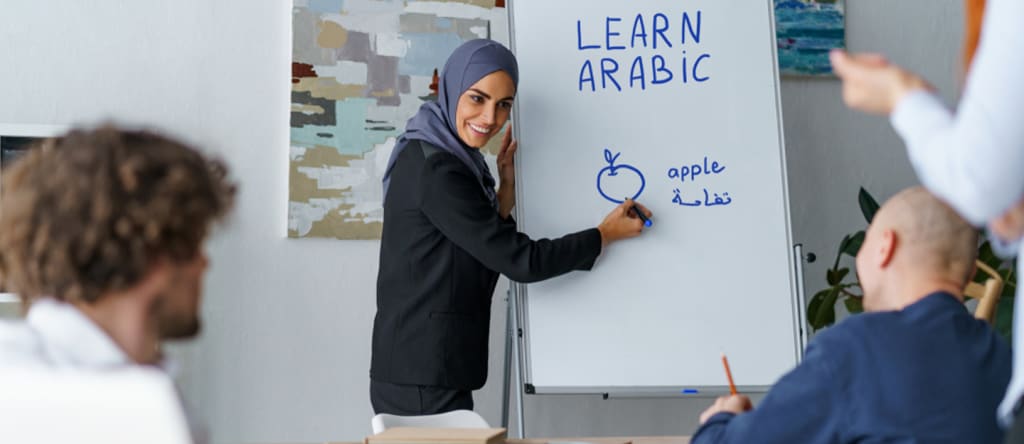
Arabic, one of the world’s most spoken languages, is not only the language of the Quran but also a gateway to understanding a rich cultural heritage. For young learners, an Arabic course for kids is an excellent way to open doors to a broader world of opportunities, allowing them to connect with Arab culture, literature, and history, as well as communicate with millions of people around the globe. In this article, we will explore the benefits of learning Arabic at an early age and what to look for in an Arabic course for kids.
Why Should Kids Learn Arabic?
Arabic is the official language of 22 countries, spoken by over 400 million people worldwide. With such a widespread influence, learning Arabic can provide numerous benefits, including:
1. Cultural Connection
Arabic opens the door to a rich history of art, literature, music, and philosophy. By learning the language, children can understand and appreciate diverse cultural traditions, from ancient civilizations to contemporary Arab societies. Arabic knowledge also enables children to engage with Islamic teachings and texts, especially the Quran, which is a central part of the culture in many Arabic-speaking countries.
2. Cognitive Development
Learning a new language at a young age has been shown to boost cognitive abilities. It enhances memory, improves multitasking skills, and increases problem-solving abilities. As Arabic is a language with a different script and structure from English, it offers a unique cognitive challenge that strengthens children’s overall brain development.
3. Career Opportunities
As the world becomes more interconnected, knowing multiple languages gives children a competitive edge. Arabic is a critical language in international relations, business, and global affairs, especially in areas like diplomacy, tourism, and trade. Early exposure to Arabic provides children with an advantage as they grow into professionals in a globalized world.
4. Better Understanding of English
Arabic and English share many common words due to their history of linguistic and cultural exchange. Additionally, learning Arabic grammar and sentence structure can give children a better understanding of linguistic patterns, which can help them improve their English language skills as well.
What to Look for in an Arabic Course for Kids
When choosing an Arabic course for kids, it’s important to find a program that is engaging, age-appropriate, and effective in teaching the language. Here are some key factors to consider:
1. Age-Appropriate Curriculum
The course should be designed to match the child’s developmental stage. Young children require a course that uses fun, interactive methods like games, songs, and videos to keep them engaged. For older kids, the course should provide more structured lessons that gradually introduce vocabulary, grammar, and sentence construction in a way that is easy to understand.
2. Qualified Teachers
Experienced and passionate teachers are essential for a successful learning experience. A good Arabic teacher for kids should be patient, engaging, and able to explain concepts in a way that children can relate to. Teachers should also be proficient in both Arabic and the child’s native language, if necessary, to ensure smooth communication.
3. Interactive Learning
The best Arabic courses for kids incorporate interactive methods to keep students engaged. This could include using multimedia resources, such as interactive apps, games, quizzes, and video lessons. A fun and hands-on approach will help children retain new vocabulary and grammar more effectively.
4. Focus on Speaking and Listening
While reading and writing are essential components of learning Arabic, young children should focus on listening and speaking skills in the beginning. A good Arabic course for kids will prioritize building listening comprehension and conversational skills, as speaking and understanding the language are often the most challenging aspects for beginners.
5. Flexible Learning Options
Children’s schedules can be busy, and many parents prefer flexible learning options for their children. Online courses or in-person group lessons that offer various times and durations can help accommodate children’s schedules. Parents may also want to look for courses that provide self-paced learning, allowing children to review lessons as needed.
6. Cultural Enrichment
Language is closely tied to culture. The best Arabic courses for kids not only teach the language but also expose students to Arabic customs, holidays, food, and traditions. This cultural immersion helps children connect more deeply with the language and its significance in the world.
Popular Arabic Courses for Kids
Several platforms and organizations offer Arabic courses designed specifically for young learners. Here are a few popular options:
Little Pim – Arabic for Kids Little Pim offers an immersive Arabic course for children aged 0 to 6 years. The course focuses on essential vocabulary and simple sentences through engaging videos, music, and animated characters. It’s a great option for younger children just starting to learn Arabic.
Arabic Online – Kids Arabic Course Arabic Online provides an interactive platform for kids aged 7 and up. The course includes activities that help children learn how to speak, read, and write in Arabic. With a combination of interactive lessons and games, children can learn the language in a fun and engaging way.
Quran Academy – Arabic for Kids Quran Academy offers an Arabic course designed for children who are learning to read and understand the Quran. The course uses traditional and modern teaching methods to help children grasp the basics of Arabic while also learning to read the Quranic text.
Alif Baa Arabic for Kids Alif Baa offers a beginner-friendly course that teaches children the Arabic alphabet, pronunciation, and basic phrases. It is especially suitable for young learners who are just starting their Arabic journey. The course also includes fun, interactive activities to reinforce learning.
Nour Academy – Arabic for Kids Nour Academy offers both online and in-person Arabic courses for children. With a focus on Quranic Arabic, this course teaches children to read and memorize the Quran while building essential language skills. It’s a wonderful option for parents who want their children to learn Arabic in the context of Islamic studies.
Tips for Supporting Your Child’s Arabic Learning
Practice Regularly: Encourage your child to practice speaking and listening to Arabic outside of class. Watching Arabic cartoons or listening to Arabic songs can be an enjoyable way for kids to immerse themselves in the language.
Create a Language-Rich Environment: Label objects around the house with their Arabic names to create a language-rich environment. This reinforces vocabulary and encourages children to associate words with objects.
Be Patient and Supportive: Language learning takes time, and children may struggle at first. Be patient and celebrate small milestones, such as learning a new word or sentence.
Conclusion
An Arabic course for kids is not just about learning a new language; it’s about opening up new opportunities, connecting with a rich cultural heritage, and building cognitive skills that will benefit children for a lifetime. By choosing the right course, parents can help their children embark on a rewarding journey to learn Arabic in a fun, engaging, and effective way. With patience, support, and the right tools, your child can become a confident Arabic speaker and gain an appreciation for the language and culture that will last a lifetime.
About the Creator
areeb-academy
Join Areeb Academy for high-quality and affordable online Quran and Arabic classes, available for kids and adults.
quran memorization guaranteed classes
online arabic classes for kids
Enjoyed the story? Support the Creator.
Subscribe for free to receive all their stories in your feed.
Comments
There are no comments for this story
Be the first to respond and start the conversation.