
Always On the Heart: How Long-Term Cardiac Monitoring Technology Is Transforming Care
From Snapshots to Continuous Insight

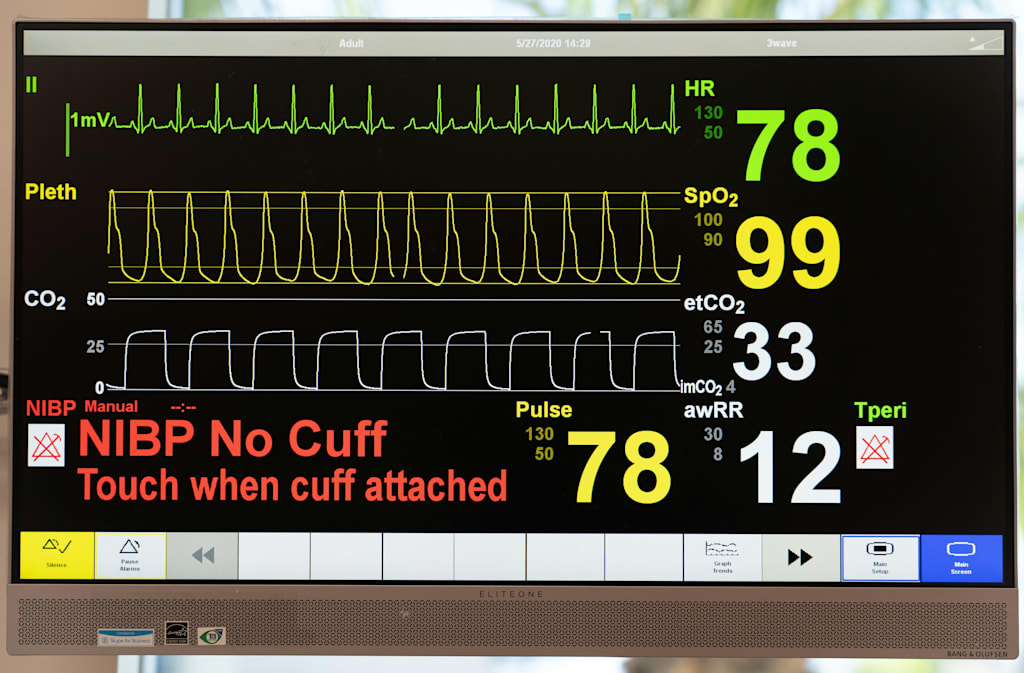
Long-term cardiac monitoring technology is changing rapidly and reshaping how clinicians understand heart health. In earlier years, doctors relied on short ECG recordings that captured only brief snapshots of cardiac activity. However, modern systems now record heart rhythms continuously in real-world settings. As a result, clinicians gain a more complete and accurate view of how the heart behaves over time. This shift improves diagnosis, supports earlier intervention, and enhances long-term care.
Moving Beyond Clinic-Based Testing
Traditional cardiac testing often took place in controlled clinical environments. However, many heart rhythm problems occur unpredictably outside the clinic. Therefore, short monitoring sessions frequently missed important events. In contrast, long-term monitoring systems now track heart activity during normal daily life. In addition, they capture variations during sleep, exercise, and stress. As a result, physicians can connect symptoms with actual rhythm changes more effectively.
Wearable Devices That Capture Daily Heart Activity
Wearable technology forms the foundation of modern long-term monitoring. These devices include patches, wrist-based monitors, and compact chest sensors designed for continuous use. Because patients wear them throughout the day, they collect data in natural environments. In addition, improved sensor materials enhance comfort and maintain stable signal quality. As a result, patients can continue daily routines while their heart activity is monitored without interruption.
Signal Processing That Cleans Complex Data
Heart rhythm data often contains noise from movement, muscle activity, and external interference. Therefore, monitoring systems must refine raw signals before analysis. Advanced filtering algorithms remove unwanted distortions while preserving key cardiac patterns. At the same time, adaptive processing adjusts to each patient’s unique heartbeat characteristics. Because of this refinement, the final data becomes more accurate and clinically meaningful. As a result, physicians can make more reliable interpretations.
Artificial Intelligence That Improves Accuracy
Artificial intelligence now plays a key role in long-term cardiac monitoring. AI systems analyze large datasets that include both normal and abnormal heart rhythms. Therefore, they can identify irregular patterns such as atrial fibrillation or sudden rhythm disruptions. In addition, these systems learn continuously as they process new information. As a result, they improve detection accuracy and reduce false alerts. This advancement supports faster and more confident clinical decisions.
Cloud Connectivity That Enables Real-Time Access
Modern monitoring devices rely on cloud-based systems to transmit and store data securely. Devices send encrypted heart rhythm information to remote platforms for analysis. Therefore, healthcare providers can review patient data from any location. In addition, real-time alerts notify clinicians when abnormal rhythms appear. As a result, doctors can respond quickly without waiting for scheduled appointments. This connectivity strengthens both preventive care and emergency response.
Improved Device Design for Daily Comfort
Device design has become a major focus in cardiac monitoring innovation. Engineers now create smaller, lighter, and more discreet devices. Because of these improvements, patients experience greater comfort during long-term use. In addition, better design encourages consistent wear, which improves data quality. As a result, monitoring becomes more practical and reliable for everyday life. This progress supports wider adoption among diverse patient groups.
Battery Efficiency That Supports Continuous Use
Battery life remains a critical factor in long-term monitoring systems. Devices must operate continuously without frequent interruptions for charging. Therefore, engineers focus on improving energy efficiency and low-power performance. In addition, advanced chip designs help reduce overall power consumption. As a result, patients can use these devices for extended periods without disruption. This improvement enhances the reliability of continuous heart tracking.
Remote Monitoring That Expands Healthcare Access
Long-term cardiac monitoring supports the growth of remote healthcare services. Physicians can now evaluate patients without requiring constant in-person visits. Therefore, patients in rural or underserved areas gain better access to cardiac care. In addition, remote systems reduce pressure on hospitals and clinics. As a result, healthcare providers can allocate resources more efficiently. This approach improves overall system performance and patient access.
Data Security That Builds Patient Trust
As cardiac monitoring becomes more connected, data security has become increasingly important. These systems handle sensitive personal health information that must remain protected. Therefore, companies use encryption and secure communication protocols. In addition, strict access controls limit data exposure. As a result, patients can trust that their information remains safe. This security strengthens confidence in digital healthcare technologies.
The Shift Toward Predictive Cardiac Care
Long-term monitoring is moving toward predictive healthcare rather than reactive treatment. New systems analyze patterns over time to identify early warning signs. Therefore, clinicians may detect risks before symptoms become severe. In addition, predictive algorithms track subtle changes in heart behavior. As a result, healthcare can shift toward early prevention and proactive care. This evolution has the potential to reduce serious cardiac events.
A New Era of Continuous Heart Awareness
Long-term cardiac monitoring technology is advancing quickly and transforming cardiovascular care. Wearable devices, artificial intelligence, cloud connectivity, and improved sensors all work together to create continuous insight into heart health. As a result, clinicians can understand cardiac activity more deeply and respond more effectively. While challenges such as battery life and data security remain, innovation continues to address them. Ultimately, this technology is building a future where heart care becomes continuous, connected, and increasingly predictive.
About the Creator
Enjoyed the story? Support the Creator.
Subscribe for free to receive all their stories in your feed.
Comments