
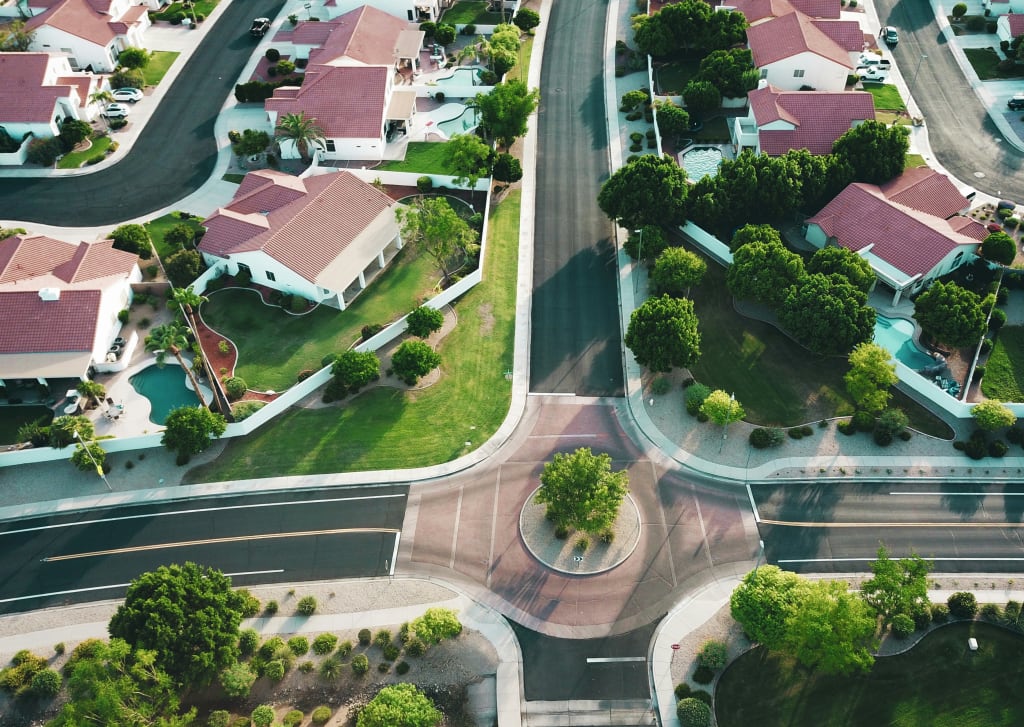
All About Green Real Estate Investment
Green real estate investment has emerged as a critical trend in the property market in the face of climate change and rising environmental concerns. It focuses on sustainable, eco-friendly building practices that not only reduce environmental impact but also offer long-term economic benefits. For investors looking for opportunities that align with sustainability goals, green real estate offers a lucrative and impactful avenue.
What is Green Real Estate?
Green real estate means properties that are designed, built, or operated to minimize environmental impact. The structures and systems installed within such properties reduce energy consumption through the use of efficient energy systems, renewable sources of energy, water-saving methods, and environmentally friendly building materials. In addition to their greenness, these properties contribute to occupants' better living conditions, healthier indoor environments, improved natural lighting, and higher levels of well-being.
Characteristics of Green Real Estate
Energy Efficiency: Make use of solar panels, energy-efficient appliances, LED lightings, and intelligent energy consumption systems.
Water Conservation: Implement rainwater harvesting technologies, low flow fixtures and wastewater recycling strategies.
Resource Efficient Materials: Recyclable or source locally and reduce carbon footprint during construction works.
Healthful Indoor Environment: Place emphasis on Ventilation Systems, Non-toxic paints along with air-purifying systems.
Green Certifications: Properties certified by LEED (Leadership in Energy and Environmental Design) or other global standards reflect adherence to sustainable practices.
Why Invest in Green Real Estate?
1. Economic Benefits
Generally, green properties have lower operation costs due to energy conservation and reduction in water usage. Take a case of energy efficient buildings; they can lower the electricity bills by up to 20-30% thereby directly affecting profitability. Secondly, green certified buildings receive premium rentals and higher resale value than conventional properties.
2. Increasing Demand
With increasing awareness among consumers to go green, the demand for green properties has been increased. Tenants and buyers are willing to pay extra for homes and offices which resonate with their sustainability value.
3. Government Incentives
Many governments provide tax benefits, subsidies, and incentives to the green building projects. The policies decrease the burden of initial investment and enhance ROI for the investors.
4. Resilience to Regulatory Changes
With stricter environmental regulations ahead, green properties are future-proof investments. They comply with sustainability standards and avoid penalties related to environmental non-compliance.
5. Social Responsibility
Green real estate investments allow stakeholders to contribute to global sustainability goals, reducing carbon emissions and conserving resources for future generations.
Challenges in Green Real Estate Investment
While the prospects of green real estate are promising, investors must navigate certain challenges:
Higher Initial Costs: Sustainable construction and technologies normally have higher upfront costs as compared to conventional buildings.
Knowledge Gaps: Awareness of green certifications, materials, and technologies requires particular knowledge and expertise.
Availability: In some regions, finding green-certified properties or projects may still be a challenge.
Market Perception: In emerging markets, awareness about the long-term benefits of green real estate may be limited.
How to Get Started with Green Real Estate Investment
1. Research Markets and Trends
Identify the locations where green real estate is emerging. The high-demand urban locations for sustainable housing or commercial spaces are good investment areas.
2. Assess the Certifications
Invest in properties that have recognized certifications such as LEED, IGBC (Indian Green Building Council), or BREEAM. These certifications ensure that the property is aligned with the sustainability benchmarks.
3. Associate with Experts
Associate with developers, architects, and consultants who specialize in green real estate to make a proper investment decision.
4. Think Long-term Benefits
The short-term saving may be high, but think about the long run, which would have far less operational expenses, plus increased property value and, above all, happy tenants.
5. Use available Incentives
There exist government schemes, tax rebates, or even financing specifically to support green real estate development.
Green Real Estate Trends to Watch in 2024
1. Net-Zero Buildings
Sustainable construction has net-zero buildings as the benchmark: those structures that generate as much energy as is consumed by them.
2. Smart Technologies
Integration of IoT devices, AI-powered energy management systems, and automated controls is making green buildings more efficient.
3. Community-Level Sustainability
Projects focusing on green infrastructure for the entire community, like renewable energy grids and waste management systems, are increasing.
4. Green Retrofitting
Existing buildings are being retrofitted to meet the green standards, especially in cities where there is not enough space for new developments.
Green Real Estate in India
India is experiencing a significant surge in green real estate. Urbanization and sustainability initiatives are fueling this growth. Cities like Bangalore, Hyderabad, and Pune are at the forefront of this movement with a plethora of green-certified commercial and residential projects. The government's Smart Cities Mission and incentives for sustainable construction further support this trend.
About the Creator
Enjoyed the story? Support the Creator.
Subscribe for free to receive all their stories in your feed.
Comments
There are no comments for this story
Be the first to respond and start the conversation.