
AI in Healthcare: Revolutionary Innovation in Diagnosis, Drug Development, and Therapies
AI in Healthcare: Transforming Diagnosis, Drug Discovery, and Treatment

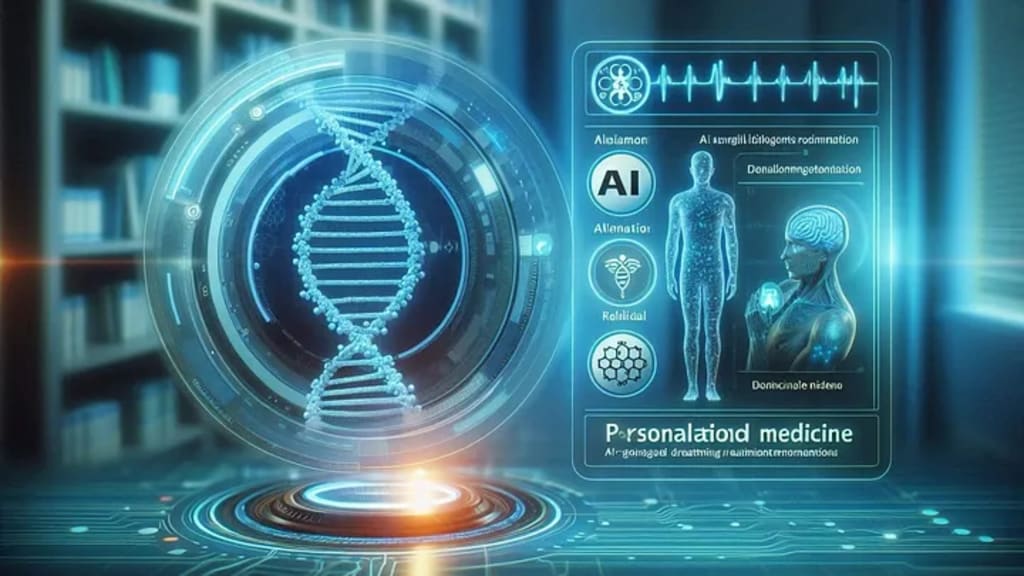
Artificial Intelligence (AI) is driving into a new age of health care innovation, with marvelous strides in diagnostics, drug discovery, and personalized medicine. The medical field is able to witness accelerated breakthroughs with enhanced patient care by harnessed capabilities of data analysis, pattern recognition, and predictive modeling in AI.
As someone who has witnessed the rapid evolution of technology in recent years, I am continually amazed by the potential of AI to revolutionize industries. In the realm of healthcare, the ability of AI to analyze vast datasets and identify patterns has the potential to save countless lives. It’s truly inspiring to think about how these advancements can improve patient outcomes and address global health challenges.
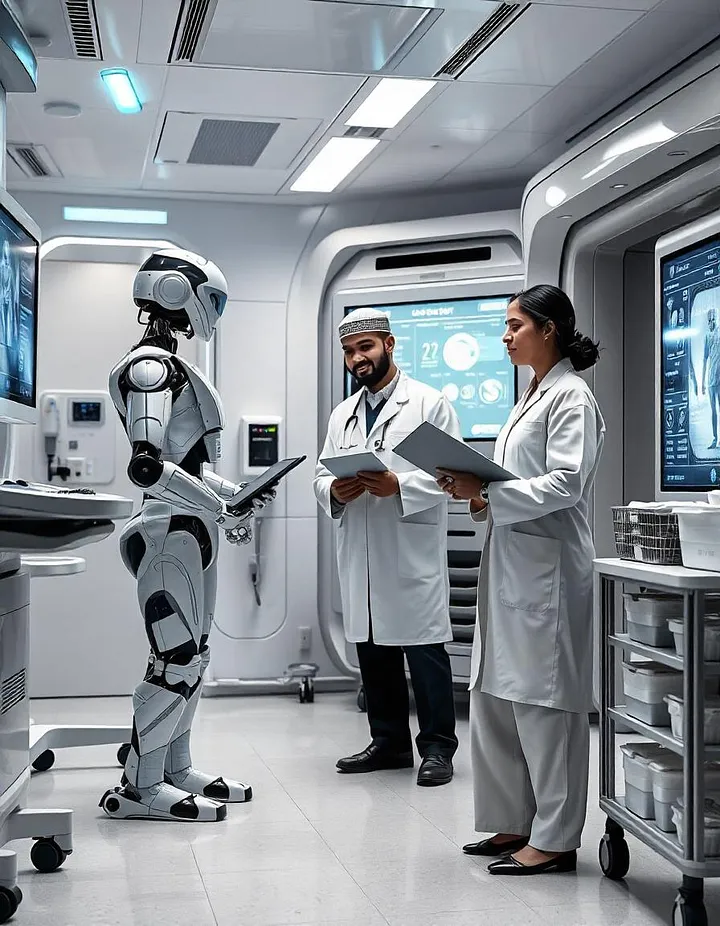
AI-Powered Diagnostics: Illuminating the Path to Precision
AI is transforming diagnostics by strengthening accuracy and speed:
- Image Analysis: Finding Hidden Answers AI algorithms may be applied to medical images like X-rays, MRIs, and CT scans to sometimes spot subtleties that escape the human eye. Researchers in Nature Medicine found an AI model that could detect lung cancer through a CT scan with greater accuracy than a panel of radiologists, unlocking the possibility of AI for early detection and diagnosis.
- Disease Prediction: Enabling Preventive Care AI can predict the probability of a person catching certain diseases after further analysis based on one’s medical history, lifestyle factors, and genetic data. An early course correction is possible through interventions made before this disease would start to progress.
- Pathology: Deep Precision in Cancer Diagnosis As AI is helping pathologists see tissue samples, accuracy increases and the speed of diagnosis related to cancer improves. Therefore, AI helps the doctors to concentrate on the rather complex analyses and to enable them to provide more timely precise diagnoses.
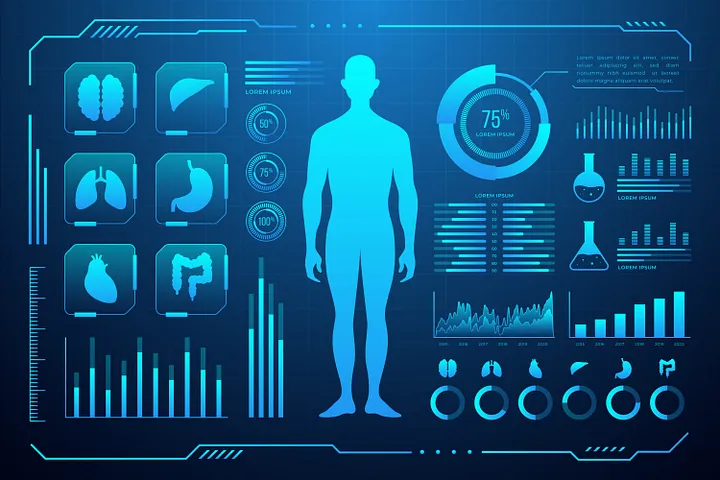
AI in Drug Discovery: Accelerating the Search for Cures
The traditional drug discovery process is very slow and costly, but with AI, this is a thing of the past. It accelerates drug discovery by introducing greater efficiency and innovation.
- Drug Repurposing: The Approach of Finding Old Drugs Suitable for New Therapeutic Aims. The discovery that Benevolent AI made on repurposing known drugs uncovered the discovery of Baricitinib as an extremely potent treatment for COVID-19; once again, it goes to prove that AI can transform old drugs into novel applications for therapy.
- Virtual Screening: AI can virtually screen millions of compounds for the identification of potential drug candidates, thus reducing the need for extensive and expensive laboratory experiments. This accelerates the identification of promising molecules, thus making the pipelines for drug development much more efficient.
- De Novo Drug Design: AI algorithms can come up with new molecules whose properties are desired. That means the development of safer and more effective drugs would be possible. It opens the door for scientists to innovate targeted therapies with better efficacy and fewer side effects.
Personalized Medicine: Tailoring Treatments for the Individual
AI is shaping the future of personalized medicine with innovative treatments according to every patient’s unique needs:
- Genomic Analysis: Breaking the Code.
By looking at a patient’s genetic data, AI can reveal mutations that might influence that patient’s response to various medications, thereby leading to the development of more targeted, effective treatments. It has minimized the trial-and-error approach to medication selection while reducing adverse reactions.
- Treatment Optimization: Predicting Patient Response.
AI models can be used to predict how a patient will react to different options of treatment so that physicians exercise the best choice of treatment. This is data-driven, ensuring that every patient receives the most optimal treatment to maximize the effects of therapy and minimize risks.

Real-World Applications: AI in Action
PathAI: Transforming Pathology. This company uses AI in developing a new way to diagnose pathology more conveniently.
Recursion Pharmaceuticals: Speeding Discovery to Drugs. This firm is using AI in drug discovery.
Tempus: Personalized Cancer Care. This company employs AI in analyzing genomic and clinical data for the personalization of cancer
Conclusion: The Future of Healthcare with AI
AI’s influence on healthcare has been wide-ranging and transformative in the context of diagnostic improvement, accelerated drug discovery, and facilitation of personal medicine. It is fundamentally changing the nature of care for patients. With proper regulation of data privacy, the future of AI shines brightly. We can certainly look forward to breakthroughs that continuously improve patient outcomes and redefine the healthcare innovation landscape.
About the Creator
EmmadTech Info
EmmadTech Info is your guide to the latest information in science and tech, exploring discoveries and the minds shaping our future. Join us on this journey!
Enjoyed the story? Support the Creator.
Subscribe for free to receive all their stories in your feed.
Comments
There are no comments for this story
Be the first to respond and start the conversation.