
African cultures
African cultures: Rich diversity
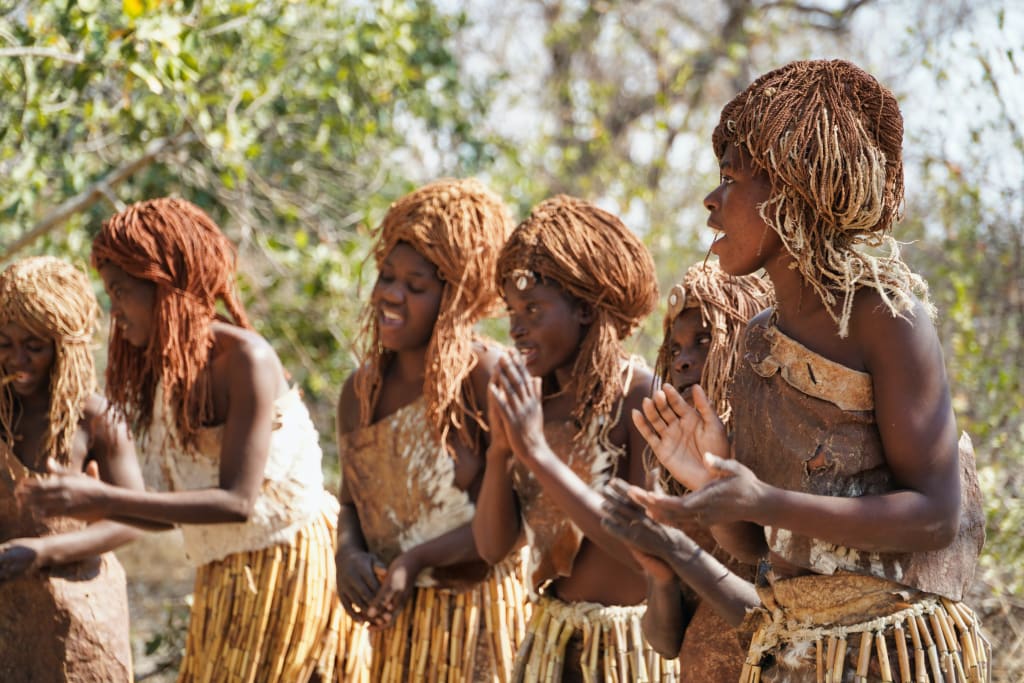
African Cultures: Rich Diversity
U
Write
ChatGPT
Africa is a continent rich in cultural diversity, 54 countries in African with over 3000 distinct ethnic groups and languages spoken. Each of these groups has its unique way of life, traditions, and beliefs that have been passed down through generations. Despite the impact of colonization and globalization, African cultures have remained resilient and continue to influence the continent and the world at large. In this article, we will explore some of the notable cultures found in Africa.
One of the most prominent African cultures is the Maasai culture, which is found in Kenya and Tanzania. The Maasai people are known for their vibrant clothing, beaded jewelry, and distinctive hairstyles. They are also known for their traditional jumping dance, which is performed by young men during ceremonies and celebrations. The Maasai are pastoralists who rely on their cattle for their livelihoods. They are also known for their strong traditions and beliefs, which are centered around their spiritual connection to the land and their ancestors.
Another notable African culture is the Zulu culture, which is found in South Africa. The Zulu people are known for their colorful traditional clothing, which includes beaded headdresses and necklaces. They are also famous for their dance and music, which are used to express their cultural identity and heritage. The Zulu are a warrior culture, and their history is filled with tales of their bravery in battle. They are also known for their strong sense of community and respect for their elders.
The Yoruba culture is another notable African culture found in Nigeria and other West African countries. The Yoruba people are known for their vibrant and colorful clothing, which includes elaborate head ties and wrappers. They are also famous for their art, music, and dance, which are an essential part of their cultural identity. The Yoruba have a rich spiritual and religious tradition, which includes the worship of a pantheon of gods and goddesses. They are also known for their elaborate festivals and celebrations, which are an opportunity to honor their ancestors and connect with their cultural heritage.
The Berber culture is another significant African culture found in North Africa, specifically in Morocco, Algeria, and Tunisia. The Berber people are known for their distinctive blue clothing, which is a symbol of their cultural identity. They are also famous for their music, which includes traditional instruments such as the lute and the tambourine. The Berber are a nomadic people who have a deep connection to the land and the natural world. They are also known for their strong traditions and customs, which have been passed down through generations.
The Ashanti culture is another notable African culture found in Ghana. The Ashanti people are known for their intricate kente cloth, which is made from brightly colored threads woven into intricate patterns. They are also famous for their drumming and dance, which are used to communicate and celebrate their cultural heritage. The Ashanti have a rich history and tradition, which includes the worship of their ancestors and a deep connection to the natural world.
In conclusion, Africa is a continent rich in cultural diversity, with each ethnic group having its unique way of life, traditions, and beliefs. The cultures discussed in this article are just a few examples of the many vibrant and diverse cultures found in Africa. Despite the impact of colonization and globalization, African cultures have remained resilient and continue to influence the continent and the world at large. It is important to celebrate and preserve these cultures for future generations to appreciate and learn from.
God bless Africans countries
About the Creator
Enjoyed the story? Support the Creator.
Subscribe for free to receive all their stories in your feed.
Comments
There are no comments for this story
Be the first to respond and start the conversation.