
Adverse use of drugs
Misuse of drugs in our society

Drugs, both legal and illegal, are widely used across the globe for various purposes: from medicinal treatment to recreational use, and even for performance enhancement. However, their misuse and abuse pose significant risks to individuals, families, and societies. The adverse uses of drugs range from accidental overdoses and addiction to long-term physical and psychological harm. This article will explore the dangers associated with the misuse and abuse of both prescription and illicit drugs, how these substances are misused, and the broader societal impacts of such behaviors.
What is Drug Misuse and Abuse?
Drug misuse refers to the incorrect or unintended use of prescription or over-the-counter drugs. This could include taking medication in a manner other than prescribed, or for a different reason than intended. Drug abuse, on the other hand, involves the intentional and harmful use of substances to achieve a desired effect, often leading to addiction or other health complications.
While prescription drugs are designed to treat specific health conditions, they can also be subject to misuse when individuals use them outside of their medical need. Illicit drugs, on the other hand, are typically consumed for their psychoactive effects, often at the risk of physical, mental, and emotional harm.
Benzodiazepines (e.g., Xanax, Valium)
Benzodiazepines are prescribed for anxiety, insomnia, and other mental health conditions. While effective for short-term use, they are often misused for their calming, sedative effects.
Adverse Effects: Misuse can lead to drowsiness, confusion, memory loss, and impaired motor skills. When mixed with other substances, particularly alcohol, benzodiazepines can cause dangerous respiratory depression and overdose.
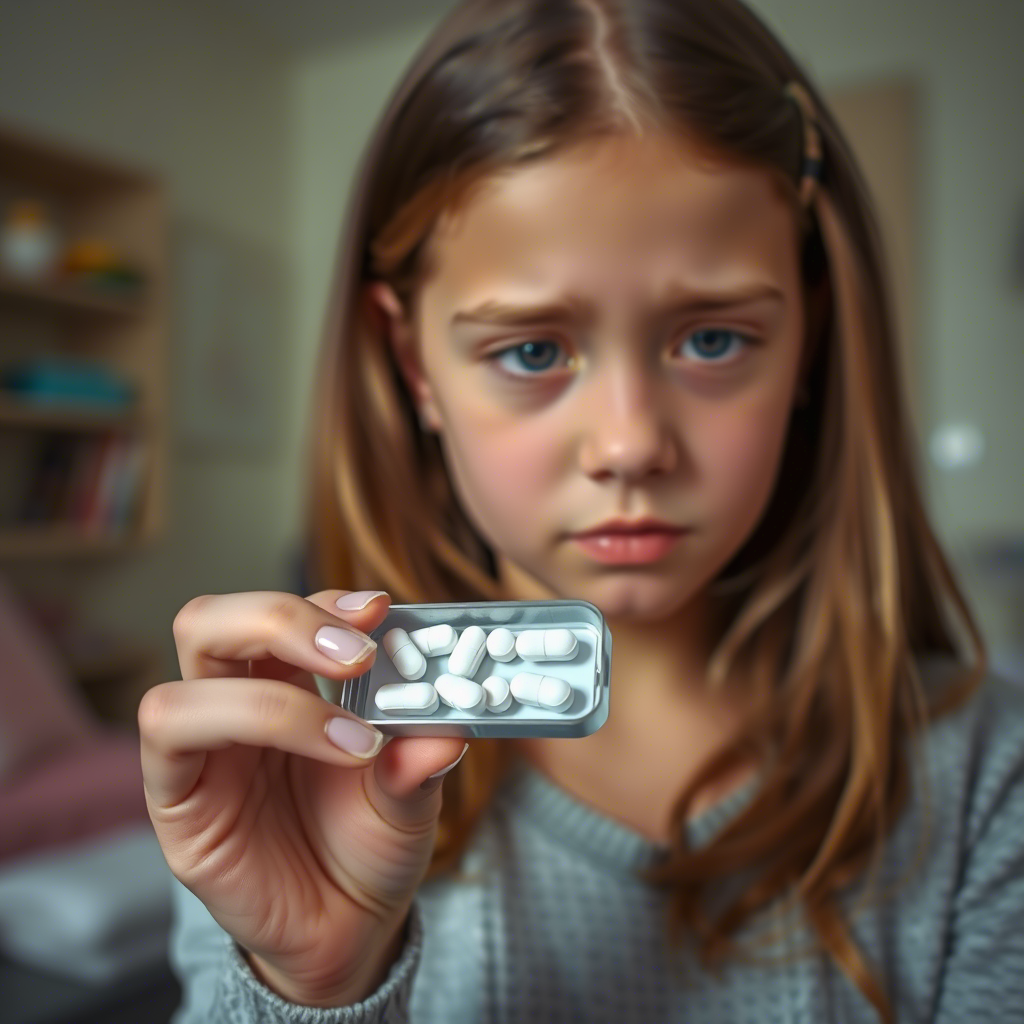
Misuse Patterns: People often misuse benzodiazepines to self-medicate stress or anxiety, leading to tolerance, dependence, and addiction.
Stimulants (e.g., Adderall, Cocaine, Methamphetamine)
Stimulants are often prescribed for conditions like ADHD and narcolepsy, but their stimulant properties also make them prone to misuse, particularly by individuals seeking to enhance performance or stay awake for long periods.
Adverse Effects: Chronic misuse can lead to cardiovascular problems, paranoia, aggression, hallucinations, and anxiety. Cocaine and methamphetamine abuse can also result in long-term damage to the brain and cardiovascular system.
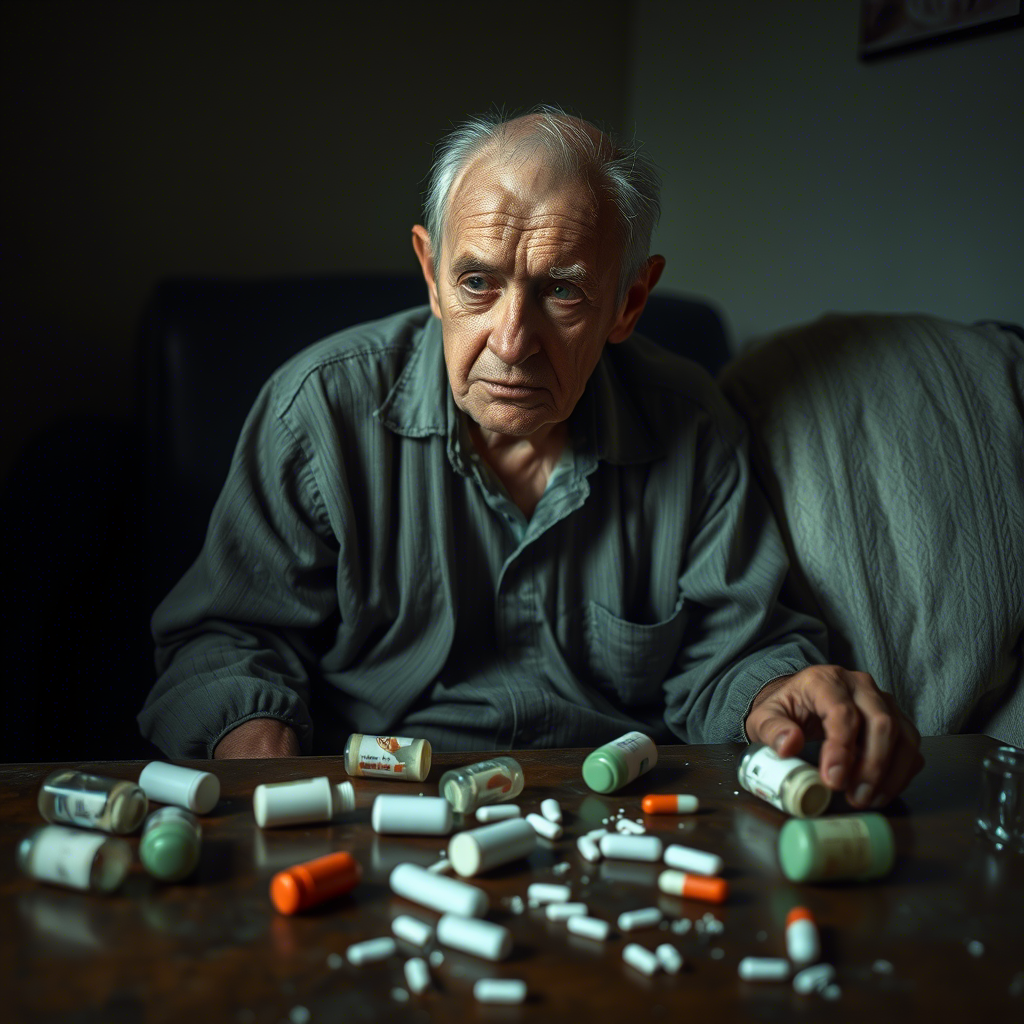
Misuse Patterns: Many people misuse prescription stimulants to boost focus, energy, or productivity, while others turn to illicit stimulants for recreational purposes or to manage fatigue.
Alcohol
Although legal, alcohol remains one of the most widely abused substances globally. It is associated with numerous physical and psychological health problems, including liver disease, addiction, and mental health issues.
Adverse Effects: Chronic alcohol abuse can lead to liver cirrhosis, brain damage, cardiovascular issues, and an increased risk of various cancers. It is also a leading cause of accidents and injuries due to impaired judgment and motor skills.

Misuse Patterns: Binge drinking, drinking to cope with stress or trauma, and excessive alcohol consumption in social settings are common patterns of alcohol misuse.
The Psychological and Social Consequences of Drug Abuse
The adverse use of drugs doesn't just affect the individual; it can have wide-ranging consequences for families, communities, and society at large.
Addiction and Dependency: Substance abuse can lead to addiction, which is characterized by compulsive drug-seeking behavior despite negative consequences. Addiction often requires professional treatment to overcome, which can involve therapy, rehabilitation, and medication-assisted treatment.
Mental Health Disorders: Drug misuse is often linked to mental health issues such as anxiety, depression, and psychosis. Individuals may use substances to self-medicate, which can exacerbate their underlying mental health problems and create a vicious cycle of substance use and mental health decline.
Violence and Crime: Drug abuse is often associated with increased violence and criminal behavior. This includes drug trafficking, theft to fund drug use, and violent acts while under the influence. Many violent crimes are committed by individuals who are intoxicated or seeking drugs to feed their addiction.
Economic Impact: The costs of drug abuse on society are staggering. This includes healthcare costs, lost productivity, law enforcement expenses, and the broader social costs of broken families and communities. According to estimates from the National Institute on Drug Abuse (NIDA), the economic burden of drug misuse in the U.S. alone exceeds $740 billion annually.
Family and Social Relationships: Drug misuse can strain family dynamics and relationships. Individuals who struggle with addiction may neglect their responsibilities, engage in manipulative or dishonest behavior, and create an environment of instability for their loved ones. Children raised in environments affected by substance abuse may face emotional and psychological difficulties, potentially perpetuating the cycle of addiction in future generations.
About the Creator
Enjoyed the story? Support the Creator.
Subscribe for free to receive all their stories in your feed.
Comments
There are no comments for this story
Be the first to respond and start the conversation.