
Advanced Technologies in Thermal Enhanced Oil Recovery
Oil and Gas Recovery from Reservoirs
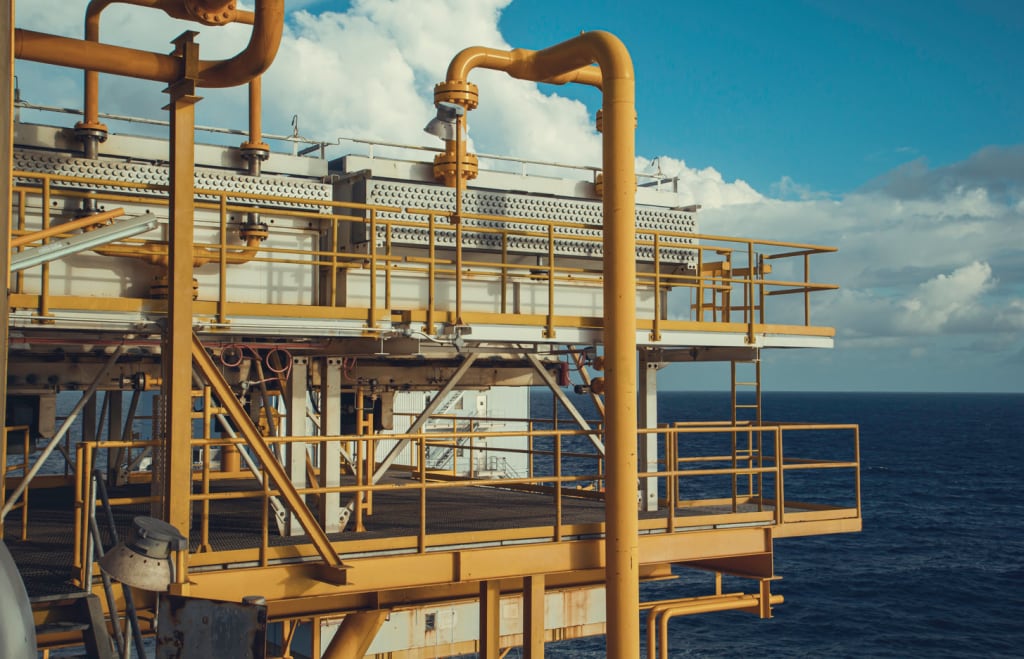
The oil industry is always looking for new ways to get more oil. They want to meet the world's growing need for fuel. Thermal enhanced oil recovery (thermal EOR) is a key innovation in this area.
Thermal EOR has been around for a while. It helps get more oil, especially from thick crude. But now, new technologies are changing how thermal EOR works.
New heat methods, better data use, and green practices are leading the way. These changes will make oil extraction more efficient, cheaper, and kinder to the planet.

Key Takeaways
Thermal EOR techniques are essential for maximizing oil extraction efficiency, especially in heavy or viscous crude reservoirs.
Advanced technologies are transforming the thermal EOR industry, offering innovative solutions for heat application, data analytics, and environmental sustainability.
These advancements are poised to enhance production, reduce costs, and promote more environmentally responsible oil extraction practices.
Understanding the latest developments in thermal EOR is crucial for industry professionals to stay ahead of the curve and capitalize on emerging opportunities.
The integration of cutting-edge technologies in thermal EOR is paving the way for a more sustainable and efficient future in the oil and gas sector.
Understanding the Fundamentals of Thermal EOR Methods
Thermal enhanced oil recovery (thermal EOR) methods are key to getting oil from tough reservoirs. Heat is at the heart of these methods, unlocking oil's full potential. Knowing how thermal EOR works is vital for exploring new technologies.
Basic Principles of Heat Application in Oil Recovery
The main goal of thermal EOR is to use heat to make heavy oils flow better. Heat makes oil less thick, so it can move more easily through the reservoir. This makes it easier to get oil out of the ground.
Types of Thermal Recovery Techniques
Steam Injection: Injecting hot steam to heat the oil and make it flow better.
In-Situ Combustion: Starting a fire in the oil to generate heat and move the oil.
Cyclic Steam Stimulation: Using steam and then oil production in a cycle to heat the reservoir.
Hot Water Flooding: Using hot water to push the oil out of the reservoir.
Heat Transfer Mechanisms in Reservoirs
How well thermal EOR works depends on how heat spreads in the reservoir. Heat moves through conduction, convection, and radiation. Knowing these processes helps improve thermal EOR projects.

Steam Injection Technology: Latest Innovations and Applications
Thermal enhanced oil recovery (EOR) has seen big changes with steam injection technology. This method has become a key player, helping oil producers get more from their wells.
Cyclic steam stimulation is a big leap forward. It mixes steam injection and production in cycles. This method helps control heat better, boosting oil output and efficiency.
Steam-assisted gravity drainage (SAGD) is another major step. It uses two wells for steam and oil. This creates a steam chamber that helps heavy oil flow, leading to better recovery rates.

These new steam injection methods offer big chances for oil producers. They can now tackle tough oil reserves better. By using the latest tech, they can improve their work, be more productive, and help the planet.
"The integration of cutting-edge steam injection techniques with real-time data analytics and predictive maintenance solutions is transforming the way we approach thermal EOR operations."
In-Situ Combustion: Breakthrough Developments
The field of thermal enhanced oil recovery (EOR) has seen big steps forward. In-situ combustion is a key innovation. It uses controlled burning inside the oil reservoir to increase production and recovery.
Air Injection Control Systems
At the core of in-situ combustion are advanced air injection control systems. These systems manage air flow carefully. This keeps the burning process stable and efficient.
By adjusting air intake, operators can control temperature and pressure in the reservoir. This makes the in-situ combustion process more effective.
Combustion Front Monitoring Technologies
Monitoring the combustion front is crucial for in-situ combustion success. Technologies like seismic imaging and downhole sensors track the front's movement. They give real-time data to help operators make smart decisions.
Safety Innovations in In-Situ Operations
In-situ combustion's complexity has led to new safety measures. These include strong containment systems, better firefighting tools, and early warning systems. These innovations show the industry's dedication to safety and sustainability.
As the oil and gas sector keeps improving in-situ combustion, these advancements will change thermal EOR. They promise better production and a greener energy future.
Advanced Technologies in Thermal Enhanced Oil Recovery: Current State and Future Prospects
The world of thermal enhanced oil recovery (thermal EOR) is always changing. New technologies are coming out to help extract oil better. The industry faces challenges like running out of oil and needing better ways to get it.
Artificial intelligence (AI) and machine learning are making big waves in thermal EOR. They help make operations better in real time. They also help predict when things might go wrong and make smarter choices.
Advanced sensor technologies and data analytics are also making a big difference. They give a clear view of what's happening inside oil reservoirs. This helps make better decisions and improve how oil is extracted.
The future looks bright with new technologies like nanoparticle-based heating systems and innovative well designs. These could make oil recovery more efficient and less harmful to the environment. They might even open up new ways to find oil.
As thermal EOR keeps getting better, we'll see more use of these advanced technologies. This will help make oil recovery more sustainable and cost-effective. It could lead to more oil being found and a more secure energy future.
"The future of thermal EOR lies in the strategic integration of cutting-edge technologies that prioritize efficiency, sustainability, and the pursuit of untapped oil reserves."
Smart Monitoring Systems and Real-Time Data Analytics
In the world of thermal enhanced oil recovery (EOR), smart monitoring systems and real-time data analytics are changing the game. These technologies are making it easier for operators to improve their recovery processes and work more efficiently.
Artificial Intelligence in Thermal EOR
Artificial intelligence (AI) is key in thermal EOR, helping operators make better decisions and improve their recovery efforts. AI algorithms can look at lots of data in real-time, find patterns, and give insights that help operators avoid problems.
Sensor Technologies and Data Collection
Advanced sensors collect high-quality, real-time data from the thermal EOR process.
These sensors track important things like temperature, pressure, and fluid flow. They give a detailed view of the recovery operations.
The data from these sensors is used with advanced analytics platforms. This helps operators make informed decisions and improve their recovery strategies.
Predictive Maintenance Solutions
Predictive maintenance solutions, powered by smart monitoring and real-time analytics, are changing how thermal EOR operations are managed. By looking at sensor data and past patterns, these solutions can forecast equipment failures and maintenance needs. This allows for early action and less unplanned downtime.
Integration with Other Enhanced Oil Recovery Methods
In the world of oil and gas, combining thermal EOR with other methods is changing the game. This mix of hybrid EOR techniques opens up new ways to get more oil. It's all about using integrated recovery methods and synergistic approaches to boost production.
One big plus of mixing thermal EOR with other methods is using each technique's strengths. For example, adding steam to chemical flooding makes the chemicals work better. This combo leads to a more effective oil recovery process.
Also, using gas injection, like CO2 or N2, with thermal methods can be very effective. The gas keeps the reservoir pressure up and helps move more oil. At the same time, the heat from the thermal method makes the whole process more efficient.

Combining thermal EOR with other advanced techniques is a big step forward. By using hybrid EOR techniques, companies can reach new heights in integrated recovery methods. This leads to synergistic approaches that expand what's possible in oil and gas.

Conclusion
As we wrap up our look at advanced thermal enhanced oil recovery (EOR) technologies, the future looks bright. The industry has seen huge leaps in tech, changing how we get oil. These changes make oil production better for the planet.
From steam injection to in-situ combustion, the tech is getting smarter. It helps use less energy and hurt the environment less. This new tech means we can get more oil while taking care of the Earth.
Next, we'll see even more tech like smart monitoring and AI. These tools will make oil recovery better and greener. With these advancements, thermal EOR will be key in meeting our energy needs responsibly.
Citations
- Alvarado, V., & Manrique, E. (2010). "Enhanced Oil Recovery: An Update Review." Energies, 3(9), 1529-1575. DOI: 10.3390/en3091529
- Gates, I. D. (2011). "Enhanced Oil Recovery Methods in Heavy Oil Reservoirs." Journal of Petroleum Technology, 63(12), 121-131.
- Ayoub, M., & Jaber, M. (2020). "Recent Advances in Nanotechnology for Enhanced Oil Recovery." Energy Reports, 6, 1281-1296.
- Nasr, T. N., & Ayodele, O. R. (2006). "Thermal Enhanced Oil Recovery Techniques." SPE Reservoir Evaluation & Engineering, 9(2), 123-131. DOI: 10.2118/99768-PA
- Strohmenger, U., et al. (2022). "Solar Thermal Enhanced Oil Recovery: A Review." Renewable Energy, 186, 114-126.
About the Creator
Dhivakar Poosapadi
Dhivakar Poosapadi has over 16 years of experience in the design, development, testing, installation, and commissioning of drilling equipment, subsea completion systems, well access systems,
Enjoyed the story? Support the Creator.
Subscribe for free to receive all their stories in your feed.
Comments