
Advanced Analytics in Integrated Command and Control Center
Enhancing Decision-Making with Advanced Analytics in Integrated Command and Control Centers
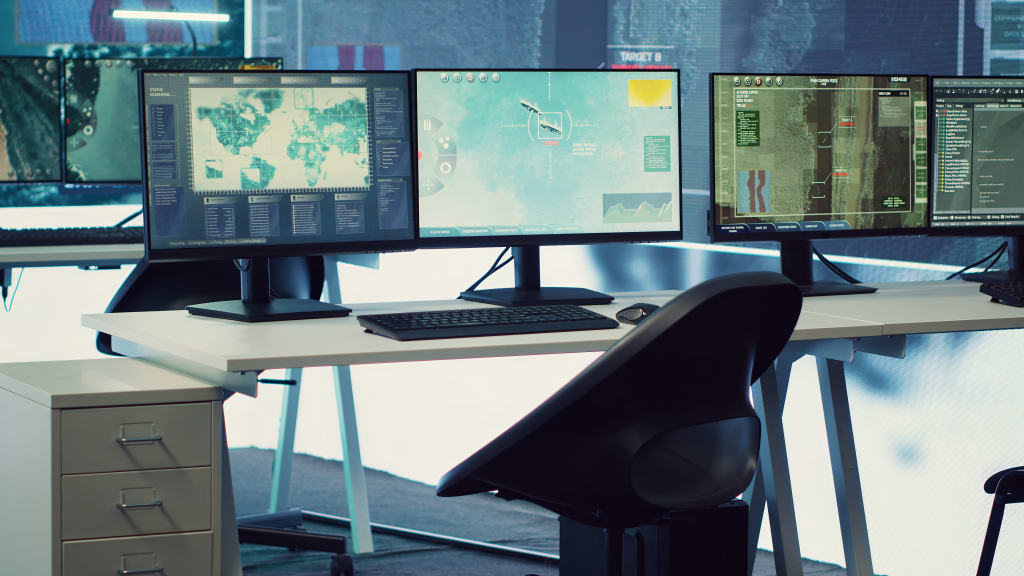
In the age of rapid technological advancements, Integrated Command and Control Centers (ICCCs) have become the nerve centres for managing complex operations across various industries, from defence and law enforcement to disaster management and urban planning. These centres are hubs for coordinating resources, monitoring operations, and making critical real-time decisions. With the growing volume of data generated and the need for faster, more accurate decision-making, integrating advanced analytics into ICCCs has emerged as a transformative force.
Understanding Integrated Command and Control Centers
ICCCs are designed to facilitate the real-time monitoring, coordination, and management of complex systems and operations. Whether monitoring city traffic, responding to natural disasters, or managing national security threats, these centres handle various tasks simultaneously. Traditionally, operations were managed using basic tools like radios, phones, and video surveillance. However, the increasing complexity of the environments these centres oversee has made it imperative to adopt more sophisticated technological solutions.
The Role of Advanced Analytics in ICS
Advanced analytics in ICS refers to applying cutting-edge techniques such as machine learning, predictive analytics, artificial intelligence (AI), and big data analytics to improve decision-making, enhance operational efficiency, and enable real-time responses. These technologies allow us to make sense of massive amounts of data coming from various sources—whether sensors, cameras, social media feeds, or other IoT devices—and extract actionable insights in a fraction of the time that would have been possible through traditional methods.
1. Real-Time Decision Making
One of the most compelling advantages of incorporating advanced analytics into ICS is its ability to provide decision-makers with real-time insights. In high-pressure environments where seconds matter, having access to real-time actionable data can be the difference between a successful intervention and a disaster.
For example, in emergency management, ICS can leverage predictive analytics to forecast the impact of natural disasters like hurricanes, earthquakes, or floods. By analyzing historical data alongside real-time inputs such as weather conditions, traffic patterns, and evacuation routes, advanced analytics can provide a predictive view of what will happen in the next few hours or days, allowing for proactive decision-making.
A case study from the Singapore Civil Defence Force (SCDF) highlights the impact of this technology. SCDF integrated advanced analytics into their command centre, helping first responders gain real-time insights into disaster zones. They could use predictive models to anticipate which areas need more resources and deploy them before the situation worsens. The result was faster and more efficient responses, saving lives and resources.
2. Predictive Maintenance and Resource Optimization
Advanced analytics is also transforming the way resources are managed in ICCCs. Predictive maintenance, powered by AI and machine learning algorithms, is helping organizations anticipate failures before they occur, thereby reducing downtime and ensuring operational continuity.
For instance, in transportation or utility management, ICCCs are equipped with sensors that monitor the health of critical infrastructure such as power grids, water supply systems, and transportation networks. By analyzing historical performance data, these systems can predict when a component might fail, allowing maintenance teams to act proactively before a failure disrupts services.
Take the London Underground, for example, which has integrated predictive analytics to monitor the condition of its trains and infrastructure. Using data from sensors installed on trains and tracks, the system can predict when a part is likely to fail, and the maintenance teams can address the issue before it leads to delays or accidents. This predictive capability helps optimize resources and reduce operational costs while maintaining public safety.
3. Enhanced Situational Awareness
Maintaining a clear and accurate picture of the operational environment is essential in a constantly generated world of data. Advanced analytics allows us to integrate data from multiple sources, providing a comprehensive view of the situation. This enhanced situational awareness is crucial in high-stakes scenarios, where understanding the full context can make a difference in the outcomes.
For example, in defence and national security, ICCCs leverage advanced analytics to integrate intelligence from various platforms—such as satellite images, drones, and communication intercepts—into a unified operational picture. This real-time integration of information helps commanders assess threats and make decisions with the precision that was previously impossible.
A notable example is the U.S. Department of Defense, which has implemented advanced analytics in its command centres to improve decision-making in battlefield scenarios. Military leaders can access a real-time, holistic view of battlefield conditions by integrating data from ground sensors, crewless aerial vehicles (UAVs), and intelligence reports. This enables them to make more informed decisions, even in challenging environments.
4. Improving Public Safety and Security
Advanced analytics in command centres also benefit public safety and law enforcement agencies. By integrating AI and machine learning, ICS can analyze data from various sources, such as surveillance cameras, emergency calls, and social media feeds, to detect potential threats and respond accordingly.
For example, in a large city, an ICCC can use facial recognition software and real-time data analytics to identify persons interested in crowded public spaces. By analyzing patterns and recognizing unusual behaviours or activities, the system can alert authorities to potential security threats before they escalate.
A real-world example is the Chicago Police Department’s use of predictive analytics in its ShotSpotter system, which detects and locates gunshots in real-time. Using audio sensors placed around the city, the system instantly analyzes the sound waves. It alerts police officers to the location of the shooting, significantly reducing response times and improving public safety.
5. Enhancing Collaboration Across Agencies
One of the most challenging aspects of command and control operations is coordinating efforts across various agencies and departments. Advanced analytics can enhance collaboration by providing a real-time platform for all stakeholders to access and analyze the same data. This reduces communication breakdowns and ensures a unified response.
For example, in disaster management, ICCCs often must coordinate between fire, police, medical, and government agencies. With integrated analytics, these agencies can share data about resource availability, emergencies, and response times, ensuring a more synchronized and effective response. During the 2017 Hurricane Harvey disaster in Texas, integrating advanced analytics across federal, state, and local agencies allowed for a more coordinated and efficient relief effort, ultimately saving lives and resources.
Conclusion
Integrating advanced analytics into Integrated Command and Control Centers has revolutionized how organizations manage and respond to complex, dynamic situations. From enhancing real-time decision-making to improving resource management and ensuring public safety, the benefits of these technologies are clear. As data continues to grow and become more intricate, the need for intelligent, data-driven decision-making will only increase, making advanced analytics an indispensable tool in the future of ICS. Whether responding to emergencies, optimizing operations, or ensuring national security, advanced analytics is at the forefront of transforming how command and control centres operate in the 21st century.
About the Creator
Intellve
This page is all about using smart technology to keep places safe and secure! We work with video surveillance software and ICCCs (Integrated Command & Control Centers) to help watch over buildings, cities, and businesses.
Enjoyed the story? Support the Creator.
Subscribe for free to receive all their stories in your feed.
Comments
There are no comments for this story
Be the first to respond and start the conversation.