
Addressing Parking Issues in Birmingham’s Residential Areas: Solutions for Local Communities
Parking Issues

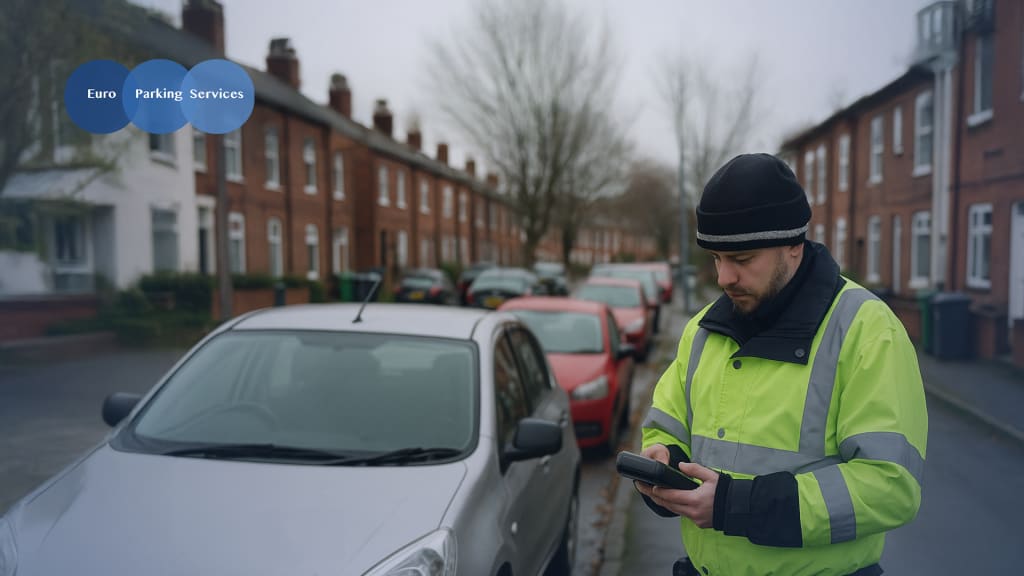
Parking in residential areas has long been a challenge for many cities, and Birmingham is no exception. As the city continues to grow, the demand for parking space in residential areas has reached a critical point. With an increase in the number of vehicles on the road, along with limited street parking, local residents are finding it harder to park near their homes.
In this blog, we’ll discuss the common issues related to residential parking in Birmingham and explore practical car park management solutions that can help ease the burden for local communities.
The Growing Problem of Parking in Birmingham
Birmingham, the UK’s second-largest city, faces numerous challenges when it comes to managing parking in its residential areas. Some of the key issues include:
Limited Parking Space: Many older housing developments in Birmingham were designed without considering the current demand for parking. Streets are often narrow, with limited space for parking, especially in areas with high population density.
Overcrowded Streets: In some residential areas, there simply aren’t enough parking spaces to accommodate the number of cars owned by residents and visitors. This leads to overcrowded streets and, in some cases, illegal parking.
Commuter Parking: With Birmingham’s extensive transport links, some residents find their streets overcrowded with commuters who park in residential areas to avoid paying for city-center parking. This takes up valuable spaces that should be reserved for residents.
No Dedicated Parking for Residents: In some parts of the city, there are no designated parking spaces for residents. This means that residents have to compete for space with visitors, delivery vehicles, and others who may not be familiar with the area.
Lack of Parking Enforcement: Without proper enforcement, cars can be parked illegally, blocking driveways or obstructing fire lanes, making it difficult for residents to park safely.
Practical Solutions to Parking Problems in Birmingham’s Residential Areas
While the parking challenges in Birmingham are significant, there are several solutions that can help alleviate the strain on residential areas and provide more convenient parking options for residents.
1. Resident Parking Permits
A popular solution for addressing parking issues in residential areas is the introduction of resident parking permits. By allowing only residents of a particular area to park on the streets, this system reduces the number of non-residential vehicles, leaving more space for people who live in the area. Permits can be issued to residents, and non-residents can be fined for parking in restricted zones.
This system is already in place in some areas of Birmingham and can be expanded to more neighborhoods facing parking shortages.
2. Implementing Controlled Parking Zones (CPZs)
Another solution is the introduction of Controlled Parking Zones (CPZs). These zones allow parking only at certain times or for certain lengths of time. It ensures that people aren’t taking up parking spaces for extended periods and that spaces are rotated more frequently, allowing more people to park. CPZs can help ease congestion in areas where parking is in high demand.
3. Increasing Off-Street Parking Options
Building more off-street parking facilities, such as multi-story car parks or designated parking bays in residential developments, can help address the shortage of space. Developers and local councils could work together to ensure that new residential developments include adequate parking spaces.
Encouraging the use of driveways and garages can also make a significant difference. Homeowners can be incentivized to make better use of their private parking space by offering tax breaks or grants for home improvements.
4. Promoting Alternative Transportation Solutions
Encouraging alternative modes of transport, such as cycling, walking, and public transport, can reduce the number of cars on the road. This is especially beneficial for areas with good access to public transport links, like Birmingham’s train and bus services.
Additionally, the promotion of car-sharing schemes and ride-hailing services can help alleviate some of the pressure on residential parking. Car-sharing schemes provide an alternative for residents who only need a vehicle occasionally, reducing the number of cars parked on the streets.
5. Smart Parking Solutions
With the rise of technology, smart parking solutions are increasingly being used to make the most of existing parking spaces. For example, ANPR (Automatic Number Plate Recognition) cameras can be used to monitor parking spaces in real-time, allowing residents to find available spots more easily and enabling enforcement of parking regulations.
Smart parking apps can also help residents locate available parking spaces and reserve them in advance. These apps can be particularly useful in high-demand areas where parking is limited.
6. Encouraging Visitor Parking Solutions
In neighborhoods with a high turnover of visitors, it may be helpful to set up visitor parking schemes. These schemes can limit the amount of time non-residents can park in a particular area, while still providing enough flexibility for people who need to park temporarily.
Residents can be provided with visitor passes that allow their guests to park legally and conveniently, ensuring that there is always parking space available for them without taking up spaces reserved for permanent residents.
Conclusion
Parking issues in residential areas are a significant problem in Birmingham, but they can be addressed with a combination of practical solutions. By introducing measures such as resident parking permits, Controlled Parking Zones, more off-street parking options, and smart parking technology, local authorities and communities can make significant strides toward solving the parking crisis.
Collaboration between local authorities, residents, and developers is key to finding long-term solutions that balance the need for parking with the realities of living in an urban area. With careful planning and the right initiatives, Birmingham’s residential areas can become more manageable, with better parking opportunities for all.
About the Creator
Enjoyed the story? Support the Creator.
Subscribe for free to receive all their stories in your feed.
Comments
There are no comments for this story
Be the first to respond and start the conversation.