
Adaptive Skiing and the Freedom of Inclusive Mountain Adventures
Freedom of Inclusive Mountain Adventures

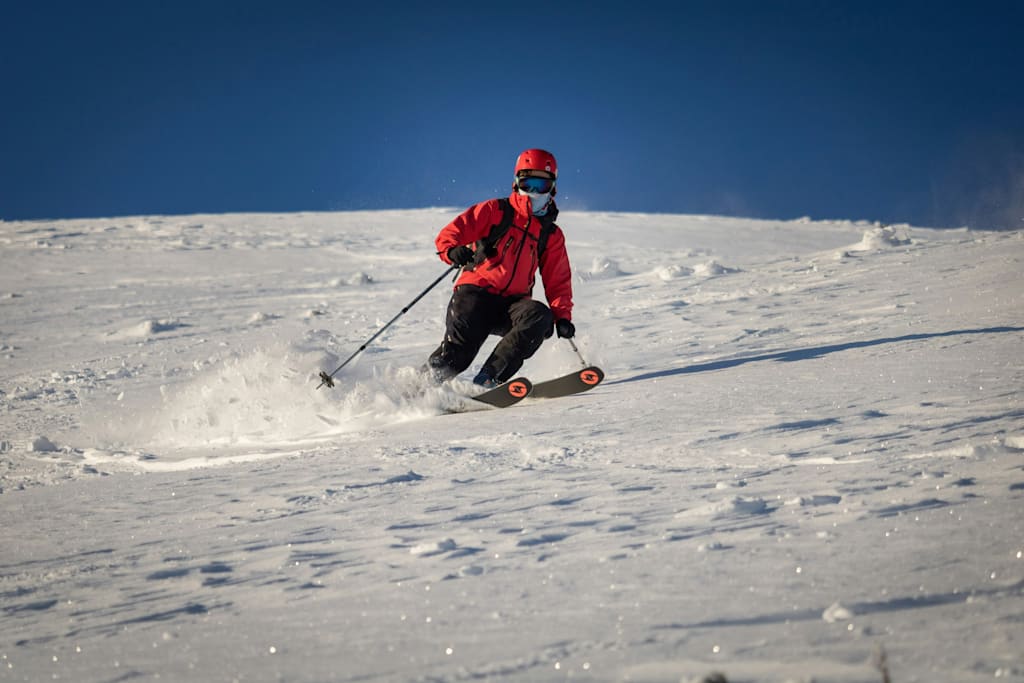
Adaptive skiing is redefining what is possible in winter sports. Across snowy mountain resorts, people with disabilities are discovering the excitement of skiing through specialized equipment, professional instruction, and inclusive programs designed to meet their needs. What once seemed out of reach for many individuals has become an empowering experience filled with confidence, independence, and personal achievement.
The growth of adaptive skiing reflects a larger movement toward accessibility and equal opportunity in sports. More importantly, it proves that adventure belongs to everyone, regardless of physical or sensory challenges.
Adaptive skiing is a modified form of skiing created for individuals with disabilities. It allows people with different physical, cognitive, or visual conditions to enjoy skiing using specialized techniques and equipment safely.
The sport adapts to the skier rather than forcing the skier to adapt to the sport. This approach ensures that participants can experience the slopes in ways that match their unique abilities and comfort levels.
Some skiers use seated systems, while others rely on balance supports or guides. The flexibility of adaptive skiing makes it possible for people with a wide range of disabilities to participate and succeed.
The origins of adaptive skiing can be traced to rehabilitation programs for injured veterans after World War II. Medical professionals recognized that skiing could improve physical strength, coordination, and emotional well-being.
Over time, adaptive sports organizations expanded these programs to include civilians with disabilities. Advances in equipment and training methods allowed more individuals to participate safely and confidently.
As awareness increased, ski resorts began partnering with adaptive sports centers to offer lessons and accessible facilities. Today, adaptive skiing is practiced worldwide and continues to grow in popularity every year.
International events such as the Paralympic Winter Games have also helped raise awareness and respect for adaptive athletes and their achievements.
Specialized equipment plays a major role in adaptive skiing. Innovations in design have made it possible for individuals with different mobility needs to navigate the slopes effectively.
Sit skis are among the most recognized adaptive devices. These systems include supportive seats mounted on skis, allowing people with lower-body disabilities to ski while seated. Some models use one ski underneath, while others use two for additional balance.
Outriggers are another important tool. These devices resemble crutches with small skis attached to the bottom, helping skiers maintain stability and control.
For visually impaired participants, trained guides provide verbal instructions while skiing nearby. Communication between the skier and the guide is essential for safe, smooth movement down the mountain.
The constant improvement of adaptive equipment continues to expand opportunities in winter sports.
Adaptive skiing offers a wide range of physical and emotional benefits. Skiing improves balance, coordination, strength, and endurance while encouraging participants to stay active outdoors.
The emotional impact can be even more significant. Many adaptive skiers describe feeling a sense of freedom and independence as they move down the slopes. The experience helps build confidence and encourages participants to challenge themselves in positive ways.
Outdoor recreation also reduces stress and supports mental health. Spending time in mountain environments can create feelings of calm, motivation, and happiness.
For many individuals, adaptive skiing becomes a source of personal growth that extends into other areas of life.
Adaptive skiing thrives because of strong community involvement. Instructors, volunteers, families, and nonprofit organizations work together to create welcoming and supportive environments for participants.
Adaptive sports programs often become close-knit communities where people encourage one another and celebrate achievements together. Participants frequently form friendships through shared experiences on the slopes.
Volunteers provide essential support by assisting with equipment, transportation, and lessons. Their dedication keeps many programs affordable and accessible for individuals and families.
This strong sense of community is one reason adaptive skiing leaves such a lasting impact on participants.
Teaching adaptive skiing requires specialized knowledge and patience. Instructors receive training in disability awareness, adaptive equipment use, safety procedures, and communication strategies.
Each lesson is tailored to the participant’s abilities and goals. Some skiers focus on recreational enjoyment, while others train for competitive events.
Instructors also help participants build confidence gradually. Learning to ski can feel intimidating at first, especially for individuals trying adaptive sports for the first time. Positive encouragement and personalized support are essential throughout the learning process.
The skill and dedication of adaptive instructors help create safe and rewarding experiences for every participant.
Competitive adaptive skiing has gained international recognition through events such as the Paralympic Games. Athletes compete in alpine racing, snowboarding, and cross-country skiing using advanced adaptive equipment and high-level training techniques.
These competitions showcase remarkable athleticism, determination, and resilience. Adaptive athletes challenge stereotypes while proving that disability does not limit competitive excellence.
The visibility of Paralympic sports has also inspired more people to explore adaptive skiing recreationally. Many participants begin skiing after seeing athletes succeed at the highest levels of competition.
This growing visibility continues encouraging inclusivity throughout the sports world.
More ski resorts are investing in accessibility improvements to support adaptive skiing programs. Many now offer adaptive lessons, accessible facilities, equipment rentals, and staff members who are specially trained.
Improved accessibility benefits everyone, including older adults and people recovering from injuries. Inclusive design creates welcoming spaces where individuals of all abilities can enjoy winter recreation together.
As public awareness grows, the ski industry continues to recognize the importance of making outdoor adventure more inclusive.
Adaptive skiing is about far more than sports. It represents resilience, independence, and the belief that everyone deserves the chance to experience adventure and achievement.
The sport empowers individuals to overcome challenges while changing public perceptions about disability. Every skier who reaches the slopes demonstrates courage, determination, and possibility.
As adaptive skiing programs continue expanding worldwide, more people will gain access to experiences that build confidence, joy, and community. The slopes are becoming places where barriers disappear, and freedom takes center stage.
About the Creator
Neil Druker
Neil Druker developed a lasting analytical principle during his years in management consulting: begin with the economics of a company rather than the story presented around it.
Enjoyed the story? Support the Creator.
Subscribe for free to receive all their stories in your feed.
Comments