
A Teacher's Desk of Forgotten Treasures
teacher's desk forgotten items student behavior

Every educator knows the peculiar archaeology that accumulates on classroom desks throughout the school year. These forgotten items tell stories that textbooks never could, revealing the inner lives of students through their absent-minded offerings.
The Daily Collection of Young Lives
Pencils worn down to stubby remnants appear most frequently, their erasers either completely gone or transformed into pink smudges. Students abandon these writing tools without ceremony, moving from desk to desk with the casual indifference that only children possess. Hair ties emerge in rainbow colors, stretching the limits of physics before snapping back into tight coils when discovered weeks later.
Small toys find their way onto desks despite classroom rules, tiny action figures frozen mid-battle or miniature cars that once raced across notebook margins during math lessons. These contraband treasures speak to the irrepressible need for play that exists even within academic walls. The act of slowing down often reveals how these items serve as comfort objects for students navigating the pressures of learning.
Food items create their own category of desk archaeology, from half-eaten granola bars wrapped in napkins to forgotten apple slices that brown with time. Parents pack these snacks with care, yet they remain untouched while their young owners become absorbed in multiplication tables or spelling tests.
The Emotional Artifacts
Drawings on scraps of paper reveal the most intimate glimpses into student minds. Family portraits featuring stick figures with disproportionate smiles, elaborate dragons breathing rainbow fire, or simple hearts with friends' names inscribed inside appear regularly. These artistic expressions emerge during quiet moments when official assignments feel too overwhelming or creativity demands immediate release.
Notes passed between friends contain the social currency of childhood, complete with elaborate folding patterns that transform ordinary paper into geometric puzzles. Teachers who unfold these communications discover everything from lunch plans to declarations of temporary friendship dissolution, the dramatic highs and lows of elementary relationships played out in careful cursive or block letters.
Personal Belongings as Windows
Bracelets and friendship jewelry accumulate in desk corners, their colorful threads fading from countless hand washings and playground adventures. Students remove these accessories during art projects or physical education, then forget their location entirely. Each bracelet represents connections formed and maintained through the simple act of shared creation.
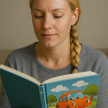
Books from home libraries appear sporadically, their covers worn smooth by repeated readings. Students bring these personal favorites to share with teachers or friends, then leave them behind in the excitement of recess or dismissal. The titles range from picture books that provide comfort to chapter books that challenge growing reading skills.
Small notebooks filled with personal writings surface periodically, containing everything from invented languages to detailed observations about classroom pets. These private journals reveal the analytical minds developing within young learners, their attempts to make sense of the world through written reflection.
The Teaching Moment in Forgotten Things
These abandoned items create natural opportunities for lessons about responsibility and mindfulness. Students learn to recognize their belongings and develop systems for keeping track of personal items. Teachers use these moments to discuss the value of possessions and the importance of caring for things that matter.
The return process becomes a gentle teaching tool, allowing educators to connect with individual students while addressing broader classroom management issues. Students often express genuine surprise at rediscovering items they had completely forgotten, leading to conversations about memory and attention.
Deeper Revelations
The patterns of what children leave behind reveal more about human nature than any formal assessment could measure. These forgotten treasures demonstrate that learning environments extend far beyond official curriculum, encompassing the full spectrum of childhood experience. Teachers who pay attention to these small abandoned gifts gain insights into their students' home lives, friendships, and internal worlds that formal interactions rarely provide. The desk becomes an accidental confession booth where young hearts leave evidence of their hopes, fears, and dreams through the simple act of forgetting.
About the Creator
Kelsey Thorn
I’m a teacher with a passion for writing about education and the art of teaching. I also love creating stories for children—gentle, imaginative, and full of little wonders.
Enjoyed the story? Support the Creator.
Subscribe for free to receive all their stories in your feed.
Comments
There are no comments for this story
Be the first to respond and start the conversation.