
A Journey in Overcoming Carpal Tunnel as a Saxophonist
RULON rest and Jazz lab Pro
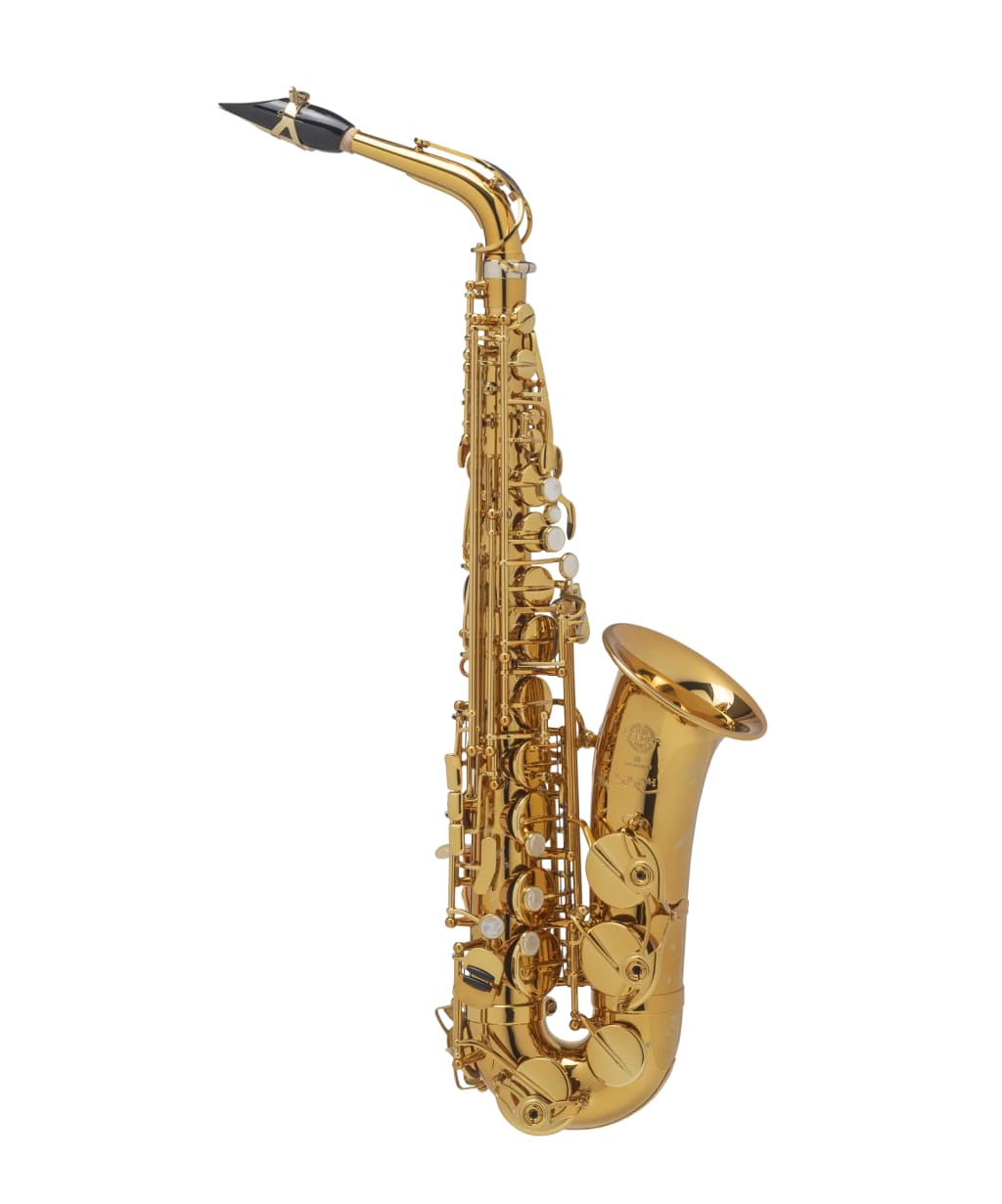
Hello fellow saxophone players and enthusiasts!
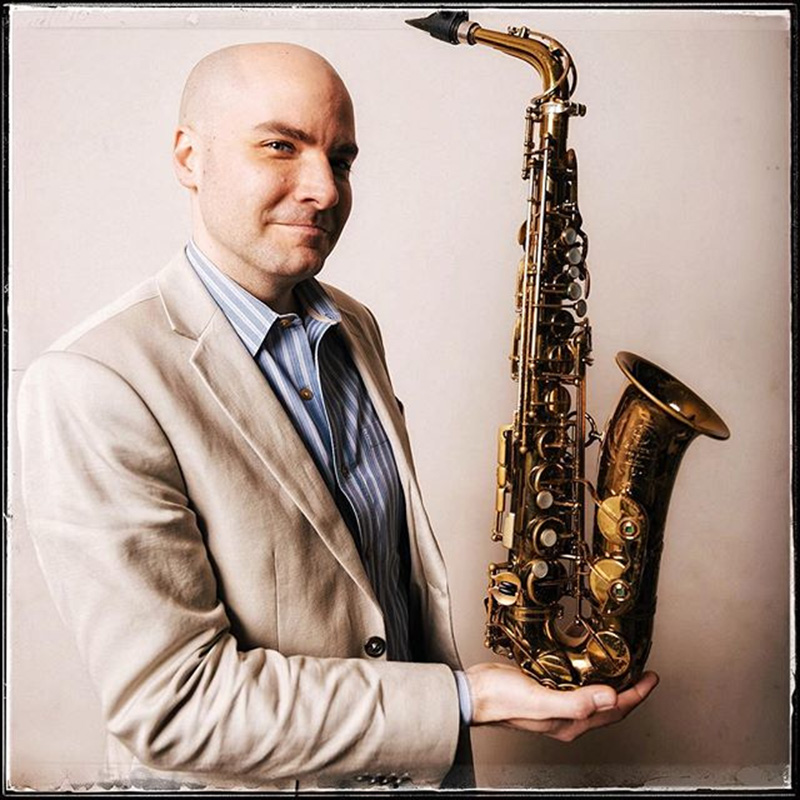
My name is Wesley Fleischmann, and I’ve been playing the saxophone for around 15 years. I graduated from Troy University in 2022 with a degree in Music Education, and I currently manage a private saxophone studio with 17 students, in addition to participating in various local bands and performances.

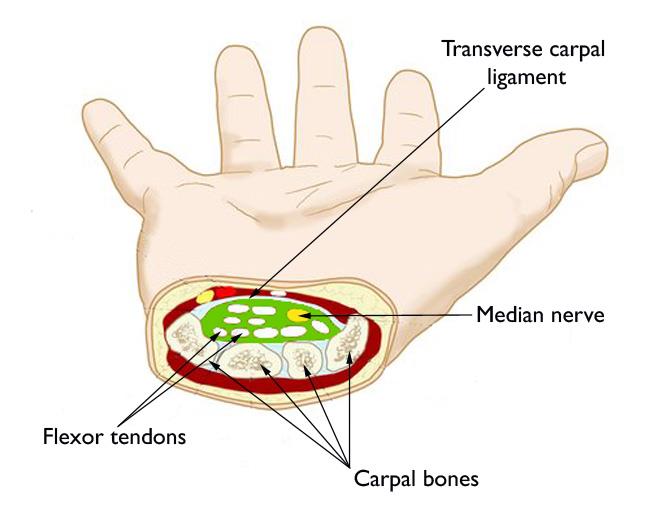
Recently, I was diagnosed with carpal tunnel syndrome (CTS), a condition caused by the compression of the median nerve in the wrist’s carpal tunnel. This narrow passage, encased by bones and ligaments, can become a significant issue for musicians, particularly saxophonists. As we know, right-hand wrist pain can be especially troublesome. Earlier this year, my symptoms became so severe that I had to step away from practicing for a time. However, by making certain adjustments to my playing setup, I was able to alleviate the pain quite quickly.
Within just a week of implementing these modifications, I experienced significant relief from my wrist pain. Below, I will share the strategies that worked for me:
Neck Strap Adjustment
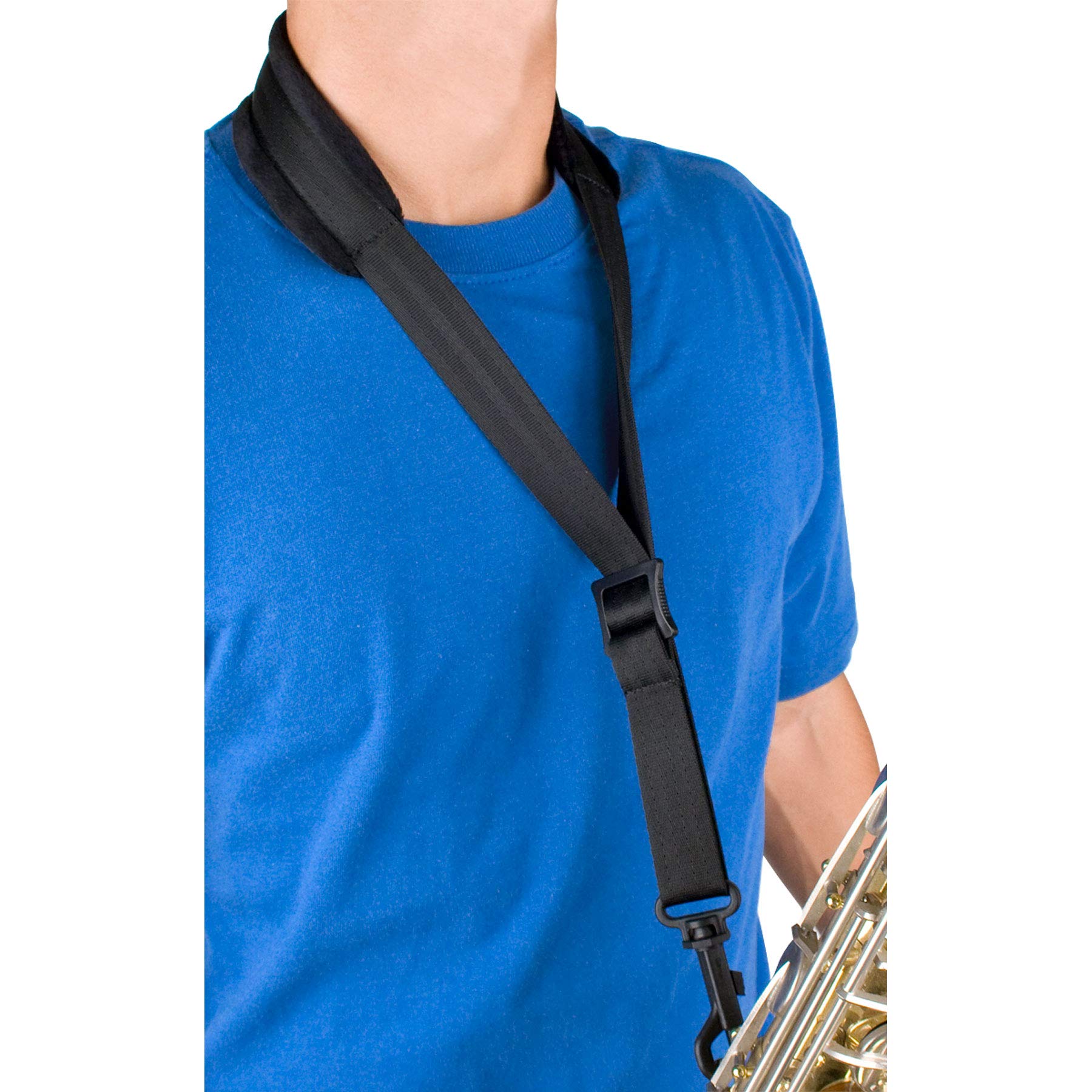
For years, I relied on a traditional neck strap to support the weight of my saxophone, as many players do. However, over time, I began to notice increasing pressure on my right thumb hook, which I believe contributed to the worsening of my carpal tunnel syndrome (CTS). This is a common issue for saxophonists, as the prolonged use of traditional neck straps can lead to a range of physical problems. Neck straps place the entire weight of the instrument on the neck, often resulting in discomfort and strain, particularly during long practice sessions or performances.
It’s not uncommon for saxophonists to experience neck pain, shoulder tension, and even headaches due to the uneven distribution of weight that standard neck straps offer. Over time, this pressure can lead to poor posture, causing players to hunch forward as they attempt to compensate for the weight hanging from their necks. This hunching can exacerbate spinal issues and contribute to chronic back pain. A 2004 study published in the Journal of Medical Problems of Performing Artists found that saxophone players frequently report pain in the neck and shoulder area as a result of the strain caused by their instrument’s weight distribution.
Furthermore, the stress placed on the right thumb hook, where much of the instrument’s weight is concentrated, can lead to long-term issues such as CTS and tendinitis. Many saxophonists have spoken out about the negative impact neck straps can have on their physical health. For example, some professional players have shared their stories of debilitating pain caused by years of using traditional straps, forcing them to make adjustments or even reduce their playing time. The lack of ergonomic support in these straps often leads to compensatory movements, like gripping harder with the right hand, which intensifies pressure on the thumb hook and can contribute to the development of repetitive strain injuries (RSI).
One particularly illustrative case involves a professional saxophonist who, after years of suffering from neck and shoulder pain, realized the root cause was the traditional neck strap she had used for decades. She eventually switched to a harness-style strap, which alleviated her symptoms almost immediately. Her experience echoes that of many players who find relief by shifting away from traditional neck straps in favor of options that distribute the weight of the saxophone more evenly across the body.
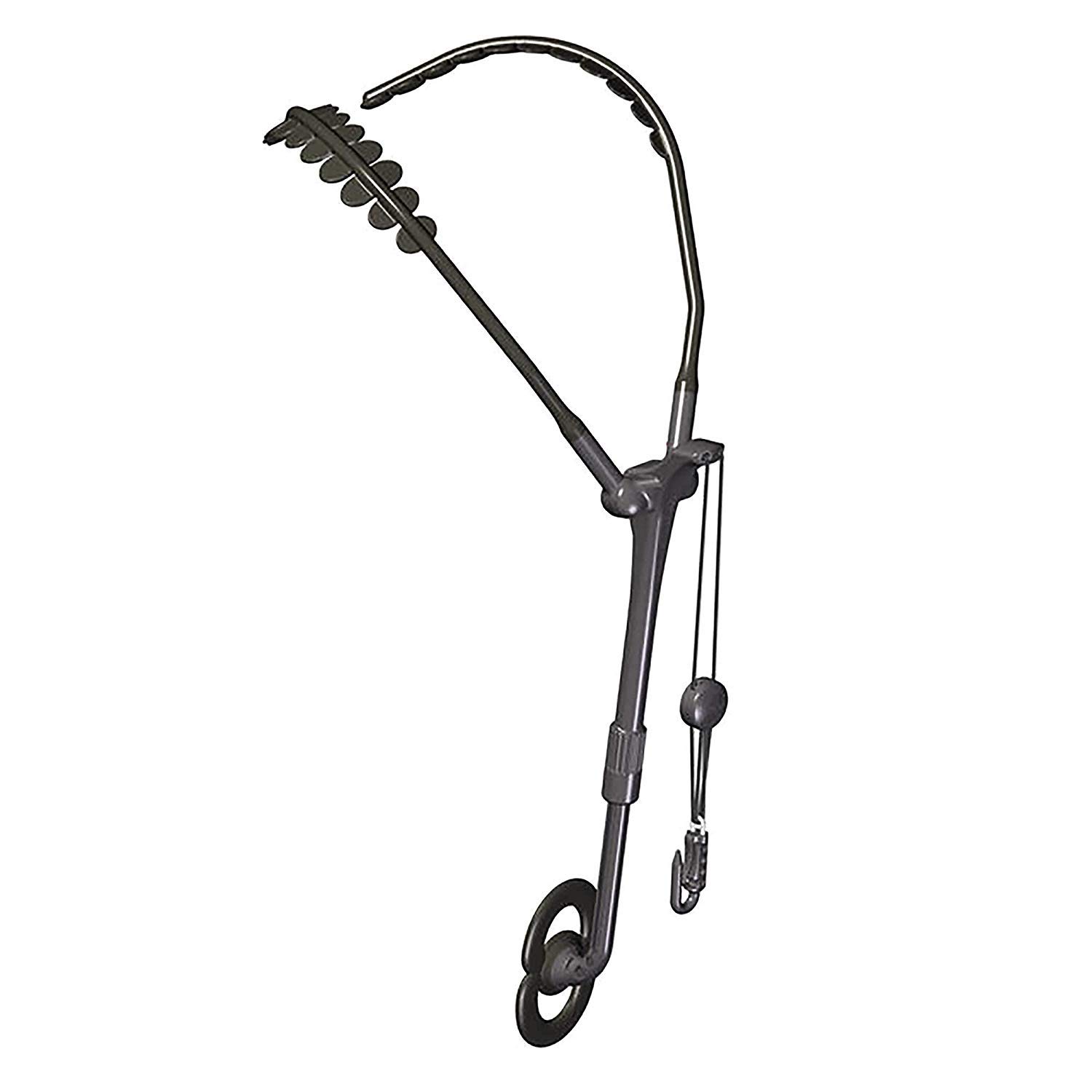
The inventor and founder of the Jazzlab Saxholder Pro is Silvin Jancic. He developed the Saxholder as a solution to the discomfort many saxophonists experience with traditional neck straps. The patented three-point support system used in the Saxholder distributes the weight of the instrument across the shoulders and the stomach, rather than placing strain on the neck, which has helped countless musicians alleviate neck and back pain. Jazzlab, under Jancic’s leadership, continues to innovate with ergonomic designs aimed at improving the playing experience for musicians of all kinds.

The traditional neck strap’s design forces the player to carry all of the instrument’s weight on a relatively small and fragile part of the body—the neck—which is not well-suited to this kind of sustained strain. Over time, this can lead to nerve compression, as the constant downward pressure on the neck can compress nerves, leading to symptoms like tingling or numbness in the arms and hands. In extreme cases, some musicians have had to take prolonged breaks from playing to recover from these issues, affecting their professional careers and personal enjoyment of the instrument.
In my case, the combination of the neck strap’s weight distribution and the pressure it caused on my right thumb hook gradually contributed to the onset of CTS. This is why I eventually transitioned to the Jazzlab Pro neck strap, which provided a much-needed improvement in ergonomics. By distributing the weight across the shoulders and back rather than concentrating it on the neck, this strap helped alleviate not only the pressure on my neck but also reduced the strain on my thumb, allowing me to play more comfortably and with less pain.
This extended version includes information about the common issues saxophonists face with neck straps and incorporates references to other players’ experiences, as well as research that supports these points. It gives a broader context to the importance of switching to more ergonomic solutions.
To address this, I transitioned to the Jazzlab Pro neck strap, and the results were immediate. This innovative strap distributes the weight of the saxophone across the entire midsection, significantly reducing strain on both the neck and the thumb. The difference was like night and day—it felt as though the instrument was lighter and easier to maneuver.
Proper weight distribution is essential to prevent injury and ensure long-term comfort while playing. I only wish I had discovered this solution sooner. Though it still requires using the thumb hook to some extent, the relief from neck strain and improved balance was a game changer for me.
RULON Rest
The owner and CEO Rulon Brown and inventor of Key Leaves has noticed these issues and includes different types of saxophone accessories that help benefit saxophone players makes different accessories that can help benefit players. I personally have been using Key leaves products for years and have been helping prop open my G sharp key. They are well made and help protect the investment of your saxophone.
Rulon Brown began his career as a saxophonist and apprentice in band instrument repair, where he developed a deep understanding of the technical issues that plague woodwind instruments. His experience as a repair technician in Alaska exposed him to a recurring problem faced by many saxophonists: sticky key pads. Frustrated by the lack of effective solutions, Brown started experimenting with designs to solve this issue. His hands-on knowledge from repairing instruments gave him the insight to create practical tools that could prevent these problems before they required costly repairs.
In 2018, Brown launched Key Leaves, introducing his innovative silicone props that keep saxophone keys open to air dry, effectively preventing pad stickiness. This simple yet highly effective solution quickly gained recognition across the industry, earning multiple awards, including Best in Show at the NAMM Show. Brown’s success with Key Leaves stems directly from his background as a repair tech, where his firsthand knowledge of instrument mechanics inspired him to create products that address common maintenance challenges
– Key Leaves
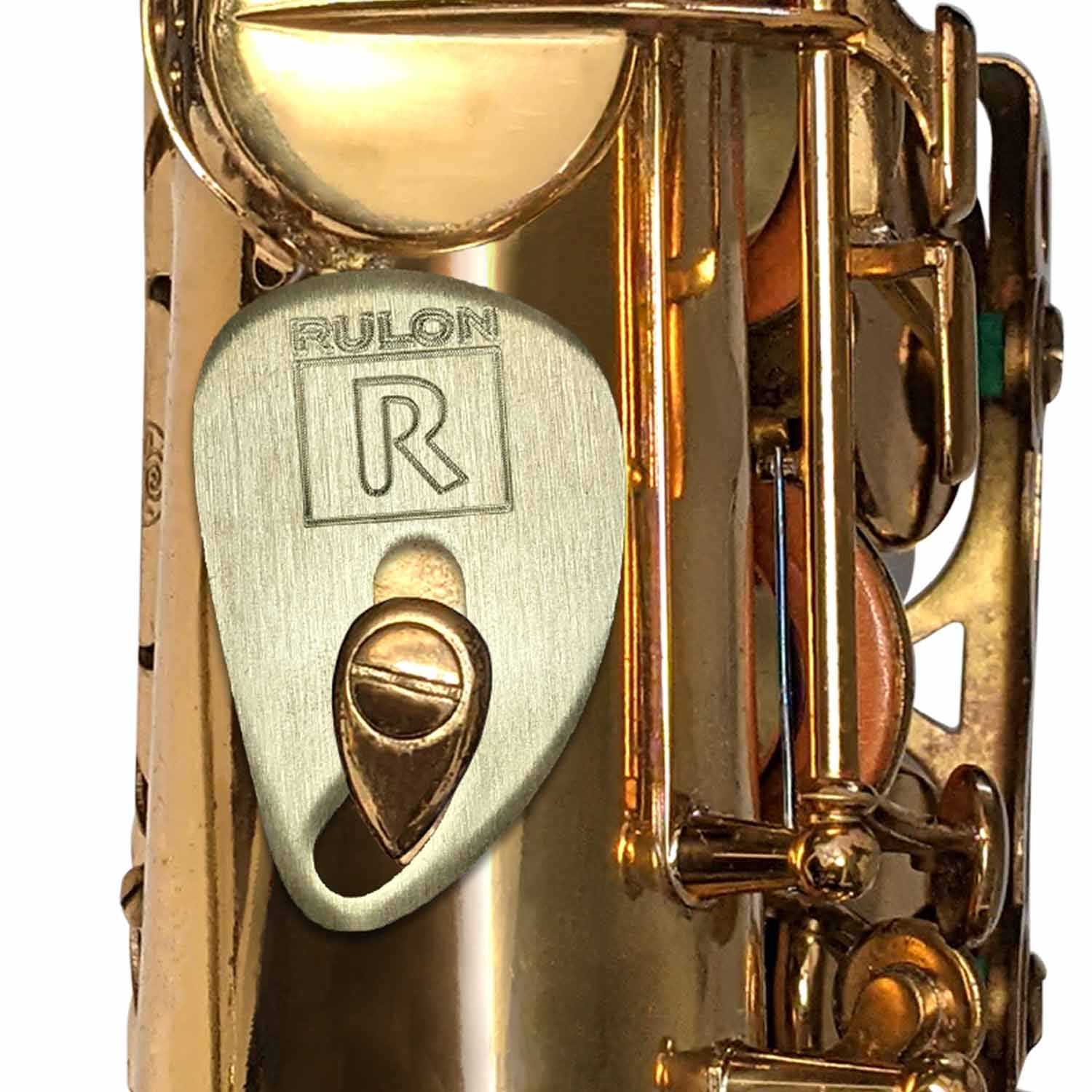
I got the RULON rest in raw brass, which has a nice, smooth finish. They have different finishes like gold plating, rhodium, and black plastic. I haven’t tried any of those yet, but I’m sure they’re similar.
The creation of the RULON Rest was a deeply personal endeavor for Rulon Brown. After years of playing saxophone and dealing with the discomfort caused by the traditional thumb hook, Brown knew firsthand the toll it could take on a musician’s body in cases like mine. As someone who experienced the strain and pain that many saxophonists endure, particularly in the right hand and wrist, Brown sought a better solution. His goal was not just to eliminate pain, but to enhance the overall playing experience by allowing more freedom and flexibility in hand movement. By replacing the conventional thumb hook with the ergonomic RULON Rest, Brown was able to relieve the pressure that often leads to conditions like carpal tunnel syndrome. This invention was born out of his own struggles and a desire to help other musicians continue playing comfortably and with less physical strain.
– Key Leaves
Another key discovery that made a significant difference in relieving my carpal tunnel syndrome was the RULON rest. After installing it, I was immediately struck by the freedom it gave to my right hand. The change was almost unbelievable—what had been a constant, nagging pain was now drastically reduced. For the first time in what felt like ages, I was able to play without discomfort. I hadn’t realized just how much strain the traditional thumb hook had been placing on my hand until I experienced what it was like to play without that pressure. The relief was almost instantaneous, and I began to see the combination of the thumb hook and a poorly designed neck strap as the primary culprits behind my condition.
When I reflect on my journey with CTS, I can’t help but think how long I endured that unnecessary pain. For years, I had chalked it up to being a natural part of playing the saxophone, especially as I pushed myself through long practice sessions or performances. But I realize now that it was not just the act of playing—it was the gear I was using. The constant strain on my thumb, compounded by the imbalance of the neck strap, had placed so much pressure on my wrist and hand that it was no wonder I developed carpal tunnel syndrome.
The RULON rest completely changed my experience as a player. With this device, the weight that once bore down on my thumb and wrist was redistributed, allowing me to relax my grip and play with more fluidity. I no longer had to tense my hand to support the instrument, which meant my wrist was free from the pressure that had been causing my symptoms to worsen. Over time, the improvement in my hand health was remarkable.
Before discovering the RULON rest, I had reached a point where I seriously considered putting down the horn for a while and considered to undergo surgery. The pain had gotten so bad that even short practice sessions felt like a monumental task. I had lost the joy of playing—the simple pleasure of picking up the saxophone and getting lost in the music was overshadowed by the worry of how much pain I would be in afterward. This wasn’t just affecting my technique or performance; it was impacting my love for the instrument. I had started to dread practicing because I knew it would come with a heavy toll.
Thankfully, the RULON rest changed everything. Once I made the switch, I found myself rediscovering my passion for the saxophone. I could practice for extended periods without worrying about aggravating my wrist. The mental relief of knowing I could play without pain was just as valuable as the physical relief. It’s something I’ve shared with my students as well—many of them ask about the setup I use when they notice the device, and I always share my story. I even let them try it for themselves, and most of them immediately feel the difference. Seeing the positive impact it has had on others reinforces my belief that ergonomic adjustments like this are crucial for long-term health as a musician.
The RULON rest has not only improved my comfort but has allowed me to continue my career without the looming fear of having to step away due to injury. For any saxophonist facing similar struggles with hand or wrist pain, I strongly encourage trying it out. The freedom it has given me, both in terms of movement and from the physical limitations I had been experiencing, is something I truly wish I had discovered sooner.
Final Thoughts
These two pieces of equipment—the Jazzlab Pro neck strap and the RULON rest—have truly transformed my saxophone playing experience in ways I could never have imagined. I went from dealing with chronic wrist pain and considering surgery, to enjoying playing the saxophone again with a level of comfort I hadn’t felt in years. While I’m not sponsored by either Jazzlab or Key Leaves, I feel passionate about sharing my experience because these products have genuinely made such a difference in my life as a musician. I’ve always been someone who enjoys trying out new gear, and I’m constantly searching for tools that can improve not only my performance but also my overall well-being as a player. When I come across something that changes the game as profoundly as these two products have, I feel compelled to spread the word. For me, it’s not about endorsements or sponsorships—it’s about sharing solutions that might help others avoid the same struggles I’ve faced.
If you’re experiencing wrist pain, discomfort, or any kind of strain while playing, I can’t recommend enough taking the time to evaluate your gear setup. Even small adjustments can make a significant difference in your comfort and your ability to play for longer periods without fatigue or injury. Ergonomics are so important, especially as we grow into our instruments over years of playing. Neglecting that can lead to issues like carpal tunnel syndrome, which can really impact your ability to perform and enjoy the instrument you love.
Here are links to support these amazing products.
https://jazzlab.com/en/saxholder/saxholder-gallery/
https://keyleaves.com/collections/rulon-ergonomic-saxophone-rests
https://keyleaves.com/
I’m always happy to talk shop when it comes to saxophone gear, so if you have any questions or want to share your own experiences with neck straps, thumb hooks, or anything else that’s improved your playing, please leave a comment. I’d love to hear how these or other changes have impacted your playing career, and I’m always eager to learn from the experiences of other musicians!
About the Creator
Enjoyed the story? Support the Creator.
Subscribe for free to receive all their stories in your feed.
Comments
There are no comments for this story
Be the first to respond and start the conversation.