
A dangerous correlation exists between climate change and public health
Unveiling the Hidden Threats: How Environmental Changes Are Fueling Global Health Crises.
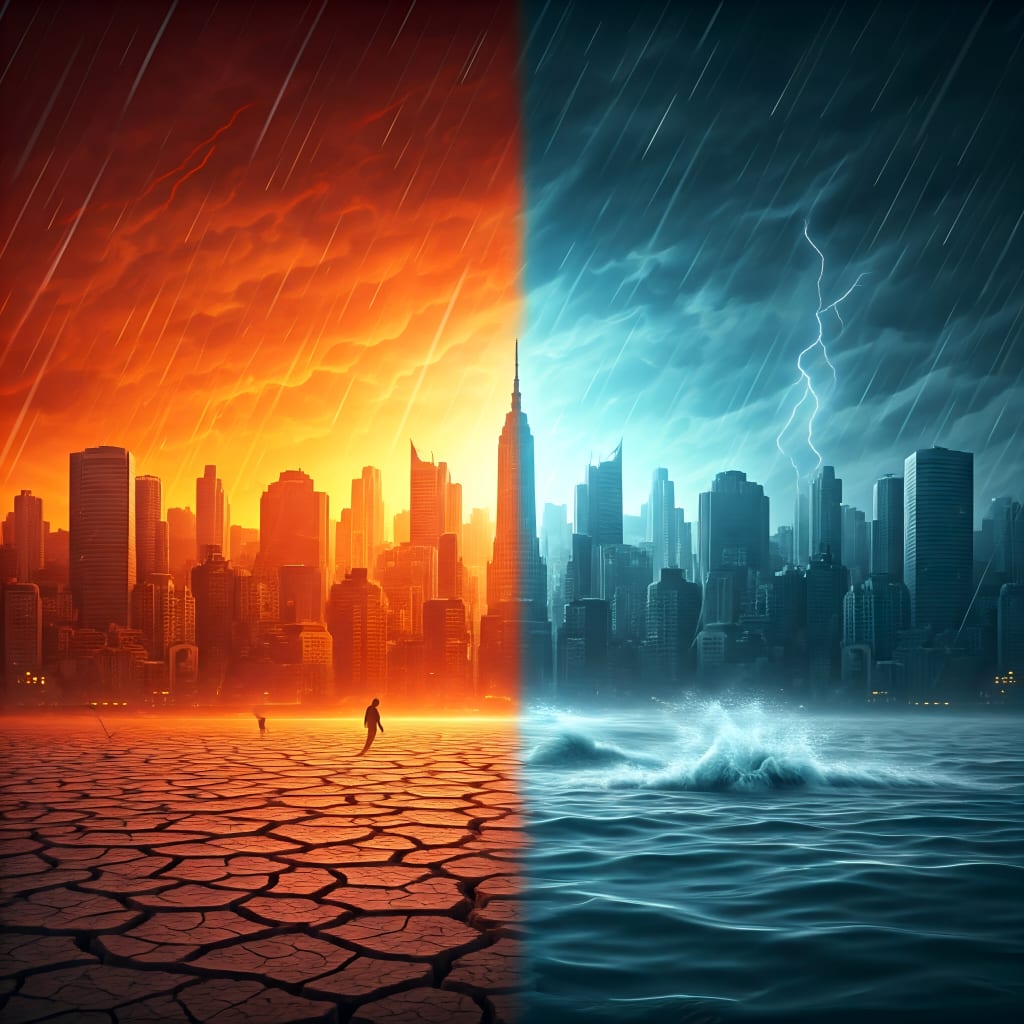
A dangerous correlation exists between climate change and public health. Read more to learn more. The issue of climate change is not exclusively environmental in nature. Human health is at high risk due to it. Heat stress, malnutrition, diseases, and other climate-related factors are projected to result in an estimated 250,000 more deaths each year between 2030 and 2050, as per the World Health Organization. Climate change and public health are interdependent and complex. Why? Warmer temperatures and frequent extreme weather events lead to an increase in health hazards. The article highlights the necessity of taking action not only for the health of our planet, but also for its inhabitants. Rising Temperatures and Heat-Related Illnesses. More and more individuals with heat-related illnesses are becoming sick. In recent years, thousands have lost their lives in heatwaves. For instance, the 2021. Oregon alone saw over 800 deaths due to a heatwave in the Pacific Northwest. Vulnerable groups, including the elderly and those with chronic disease. Precedented conditions are also aggravated by high temperatures.' Individuals afflicted with respiratory or cardiovascular diseases are more susceptible to heatwave effects. Additional hospitalizations may occur due to complications arising from hot weather. The. The 2003 summer heatwave in Europe is a prime example of this phenomenon. Over 70,000 individuals across the nation lost their lives in this event. Such incidents highlight the importance of public health efforts to prepare and protect communities from extreme temperatures.... Air Pollution and Respiratory Diseases. The impact of climate change on air quality is significant.?... A significant source of smog is ground-level methane (GLO) Ozone, which is often increased by rising temperatures. The Environmental Protection Agency's figures reveal that air pollution levels have undergone a remarkable shift in recent years, with urban areas experiencing even more severe pollution issues. Respiratory diseases, including asthma, have become more prevalent. The hospitalization rate for asthma attacks has gone up by 25% on days with high pollution than those with less pollution. Mitigating air pollution is crucial. Strategies include: Lowering emissions in automobiles and industries.. Giving more importance to public transportation and cycling over automobiles. Planting trees and enhancing urban green spaces to reduce pollution. The implementation of these steps could result in improved air quality. Infectious Diseases and Vector-Borne Illnesses. Climate change is causing habitat loss for vectors of disease such as mosquitoes and ticks. As temperatures rise, these vectors become more prevalent and spread throughout the area. Recent studies have revealed that areas that were once immune to diseases like Zika, malaria, and Lyme disease are now becoming epidemics. According to statistics, the number of reported cases of Lyme disease in the U.S. has risen by 20% in 10 years. The implementation of public health measures is necessary to counteract this. These strategies may include: Vaccination programs for at-risk populations. Community education about preventive measures. System of early detection systems for outbreaks. These actions can help to lower the occurrence of vector-borne illnesses. The impact of climate on mental health. Increasing awareness exists of the psychological implications of climate change. Fear, helplessness and depression are common symptoms of climate anxiety and eco-anxiety.... Mental health is negatively affected by extreme weather events for an extended period. People who have been affected by hurricanes, floods and wildfires may suffer from PTSD, depression and anxiety. Individuals who experienced Hurricane Katrina frequently reported enduring extended psychological distress. It is necessary to have support systems and resources to tackle these issues. For those experiencing symptoms of climate related distress, organizations such as the National Alliance on Mental Illness offer support. Food Security and Nutrition. Climate change poses challenges to food security, leading directly to changes in crop yields. Variations in climate cause: Droughts and flood exacerbated conditions in agriculture. A 10-20% decrease in crop productivity for staple crops such as wheat and maize in certain areas. Health and development can be negatively affected by food insecurity, which can lead to malnutrition, particularly in children. Malignancy is a result of being undernourished. A sustainable agricultural approach is necessary.? This includes: Crop rotation and diversification. Water conservation techniques. Local food systems are promoted through agriculture programs that receive community support.. Resilient food systems can counteract the negative impacts of climate change on nutrition. Conclusion. There is a direct correlation between climate change and public health. The health effects are far-reaching, ranging from temperature rise to poorer air quality. It's crucial to confront climate change now, not just for the benefit of our planet, but also for future generations. It is possible for everyone to take action against climate change. Collective action is necessary to reduce individual carbon footprints or advocate for policy changes.
About the Creator
Enjoyed the story? Support the Creator.
Subscribe for free to receive all their stories in your feed.
Comments
There are no comments for this story
Be the first to respond and start the conversation.