
A Comprehensive Guide to Religious Research Paper Topics
Introduction
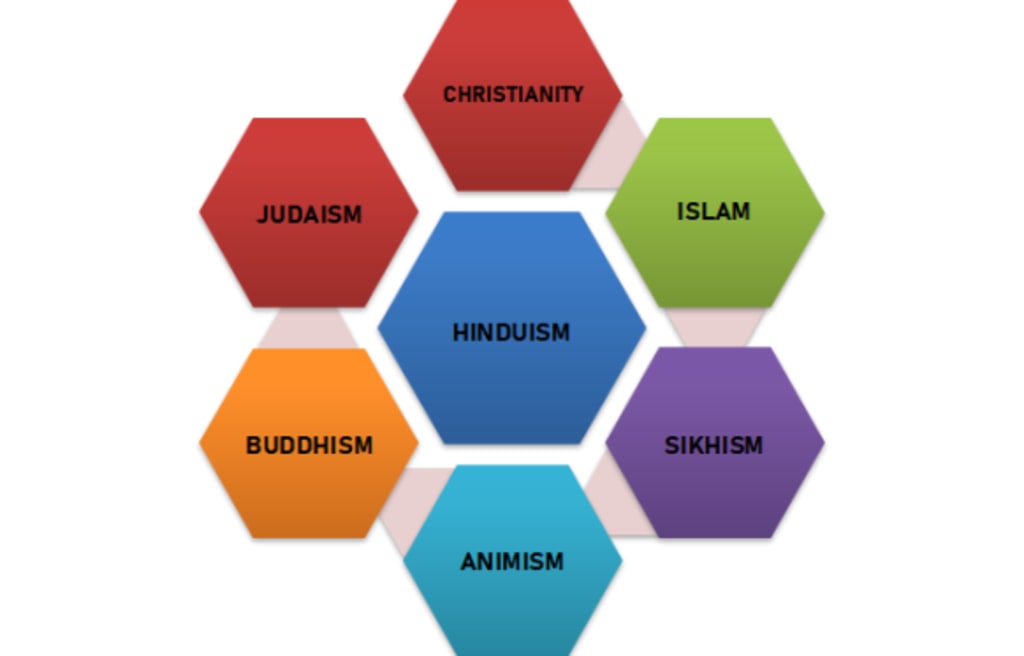
Religion is a fundamental aspect of human culture and society, making it a rich and intriguing field for research. Whether you are a student or a scholar, choosing the right religious research paper topic is essential for a successful and engaging study. This comprehensive guide aims to provide you with valuable insights and inspiration to navigate the realm of religious research. By exploring various aspects of religion and considering different perspectives, you can select a topic that aligns with your interests and contributes to the broader understanding of religious phenomena.
Understanding the Significance of Religious Research:
Religious research delves into the beliefs, practices, and social aspects of different religious traditions and their impact on individuals and communities. It explores the historical, cultural, philosophical, and sociological dimensions of religion, enabling a deeper understanding of its role in shaping societies and influencing individual identities.
Identifying Religious Research Paper Topics:
Comparative Religion: Examine the similarities and differences between different religious traditions, their rituals, beliefs, and practices. Compare major world religions or focus on specific denominations or sects.
Religion and Society: Investigate the relationship between religion and social dynamics, including the influence of religion on politics, social movements, gender roles, and interfaith dialogue.
Religious Texts and Interpretation: Analyze sacred texts, such as the Bible, Qur'an, or Vedas, and explore the methods of interpretation within different religious traditions. Investigate the role of scripture in shaping religious beliefs and practices.
Religious Ethics: Explore the ethical frameworks and moral principles within different religious traditions. Investigate the intersections of religion and ethics in areas such as environmentalism, bioethics, social justice, or human rights.
Mysticism and Spirituality: Examine the mystical experiences, spiritual practices, and contemplative traditions within different religions. Explore the concept of enlightenment, transcendence, or the quest for spiritual awakening.
Religion and Science: Investigate the relationship between religion and science, addressing topics such as evolution, cosmology, consciousness, or the dialogue between faith and reason.
Religion and Identity: Analyze how religious beliefs and practices shape individual and group identities. Explore topics such as religious conversion, religious identity in diaspora communities, or religious syncretism.
Religion and Art: Examine the role of religion in shaping artistic expression, including religious architecture, visual arts, music, or literature. Investigate the symbolism and religious themes depicted in artworks.
Conducting Research and Gathering Sources:
Once you have selected a religious research paper topic, conduct thorough research to gather relevant sources. Consult scholarly books, academic journals, reputable websites, and primary sources related to your chosen topic. Engage with a variety of perspectives to develop a well-rounded understanding of the subject matter.
Developing a Thesis Statement:
Craft a clear and focused thesis statement that encapsulates the main argument or research question of your paper. Ensure that your thesis statement is specific, debatable, and supported by evidence.
Organizing and Structuring the Paper:
Create an outline that provides a logical structure for your research paper. Organize your ideas, arguments, and evidence into coherent sections, including an introduction, literature review, methodology (if applicable), analysis, discussion, and conclusion. Ensure smooth transitions between paragraphs and sections to maintain a cohesive flow of ideas.
Analyzing and Interpreting Data:
Analyze and interpret the data and sources you have gathered to support your thesis statement. Use critical thinking skills to evaluate the evidence and draw meaningful conclusions. Engage in a balanced and objective analysis of different perspectives within the field of religious studies.
Proper Citation and Referencing:
Ensure that you properly cite and reference all sources used in your research paper. Follow a recognized citation style, such as APA, MLA, or Chicago, to provide accurate credit to the original authors and avoid plagiarism.
Editing and Proofreading:
Before submitting your religious research paper, thoroughly edit and proofread it to eliminate grammatical errors, improve clarity, and refine your arguments. Pay attention to the coherence and flow of your writing, ensuring that your ideas are effectively communicated.
Conclusion:
Embarking on a religious research paper requires careful consideration and a genuine interest in the subject matter. By selecting a compelling topic, conducting thorough research, and employing critical thinking skills, you can contribute to the scholarly discourse surrounding religion. Remember to approach the topic with respect, open-mindedness, and a commitment to academic integrity. Through religious research, you have the opportunity to deepen your understanding of diverse religious traditions, explore their multifaceted dimensions, and contribute to the broader knowledge in the field.
About the Creator
Enjoyed the story? Support the Creator.
Subscribe for free to receive all their stories in your feed.
Comments
There are no comments for this story
Be the first to respond and start the conversation.