
8 Natural Ways to Control Diabetes and Lower Blood Sugar
Discover the Ultimate Solution for Effortless Blood Sugar Control


In an era where diabetes prevalence is soaring globally, mastering how to lower blood sugar effectively is more critical than ever. Elevated blood sugar levels not only pose a risk for diabetes but can also contribute to severe health complications if left unmanaged. Incorporating natural methods into one's lifestyle can be a powerful strategy for controlling blood sugar levels and enhancing overall well-being. This approach offers a sustainable alternative to relying solely on medication, emphasizing the significance of understanding how to lower blood sugar immediately with foods, lifestyle changes, and natural remedies.
This article delves into eight natural ways individuals can control diabetes and manage their blood sugar levels more effectively. From regular physical activity and managing carbohydrate intake to increasing fiber consumption and staying hydrated, these methods are grounded in scientific research and practical applicability. Additionally, the effectiveness of stress management, achieving adequate sleep, exploring herbal supplements, and regular monitoring of blood glucose levels will be explored. Each of these strategies not only contributes to how to lower blood sugar fast but also empowers individuals to take proactive steps toward better health outcomes.
Exercise Regularly

Benefits of Exercise for Blood Sugar Control
Regular exercise is crucial for managing diabetes and maintaining healthy blood sugar levels. Engaging in physical activity enhances cardiovascular health, aids in weight management, and significantly improves glycemic control . The activity increases tissue sensitivity to insulin, which helps lower blood glucose levels . Additionally, exercise has been shown to reduce cardiovascular risk and mortality specifically in diabetic patients .
Types of Exercise for Diabetes
Individuals with diabetes benefit from a combination of aerobic and resistance exercises. Aerobic activities like walking, cycling, and swimming are recommended for 30 to 60 minutes most days of the week . Resistance training, involving exercises like weight lifting, should be performed at least twice per week to manage diabetes effectively . This combination helps in lowering insulin resistance and enhances both cardiovascular and muscular health .
Exercise Guidelines for Diabetics
Starting an exercise regimen should be approached with careful planning to ensure safety and effectiveness. Diabetics are advised to maintain a high level of fluid intake and keep a close watch on their blood sugar levels before, during, and after exercise . If blood glucose is below 100 mg/dL before starting exercise, it's recommended to consume 15 to 30 grams of quickly absorbed carbohydrates to prevent hypoglycemia . Additionally, the timing of exercise in relation to meals and insulin injections is crucial to prevent any adverse effects . Regular monitoring and adjustments based on individual responses to exercise are essential for maintaining optimal blood glucose levels.
Manage Carbohydrate Intake

Understanding Carbs and Blood Sugar
Carbohydrates, commonly referred to as carbs, are a primary nutrient that significantly impacts blood sugar levels in individuals with diabetes. They are found in three forms: sugars, starches, and fiber. Managing the intake of these can help maintain blood glucose within a healthy range. Simple sugars can cause rapid spikes in blood sugar, whereas complex carbohydrates like whole grains and legumes are digested more slowly, helping to moderate blood sugar levels .
Choosing Complex Carbs
To aid in blood sugar control, it's advisable to opt for complex carbs that are less processed. Foods such as brown rice, whole oats, and lentils not only provide sustained energy but are also packed with nutrients that are beneficial for overall health. These complex carbs have a lower glycemic index and do not spike blood sugar levels as significantly as refined carbs found in white bread and sugary snacks .
Carb Counting Tips
Carb counting is a vital skill for managing diabetes effectively. It involves tracking the number of carbohydrate grams consumed to tailor insulin therapy accurately. Learning to read food labels and measure food portions can significantly aid individuals in keeping their blood sugar levels in check. Additionally, choosing whole, nutrient-dense foods over processed ones contributes to better health outcomes and easier diabetes management .
Increase Fiber Consumption

How Fiber Affects Blood Sugar
Fiber is a unique type of carbohydrate that does not raise glucose levels because it is not digested by the body . This makes it an essential component of a diabetic diet for managing blood sugar levels effectively. Soluble fiber, in particular, can help stabilize blood glucose by slowing down digestion and reducing the absorption of sugar . This process helps in preventing the rapid spikes in blood sugar that are common with the intake of other carbohydrates.
High-Fiber Foods for Diabetics
Diabetics are encouraged to focus on high-fiber foods to manage their condition better. Good sources of soluble fiber include oatmeal, legumes like beans and lentils, fruits such as apples and pears, and vegetables like carrots and broccoli . Insoluble fiber sources, beneficial for increasing insulin sensitivity, include whole grains like brown rice and quinoa, as well as seeds and nuts . These foods not only aid in blood sugar control but also contribute to heart health and overall well-being.
Daily Fiber Intake Recommendations
It is recommended that adults consume between 22 to 34 grams of fiber daily, depending on age and sex, to reap the health benefits associated with a high-fiber diet . For individuals with diabetes, consuming a higher amount of fiber, particularly soluble fiber, can significantly ease blood sugar management . To increase fiber intake, one should include more whole grains, fruits, vegetables, and legumes in their diet. Additionally, incorporating fiber-rich snacks such as nuts and seeds can also help in meeting the daily fiber requirements .
By adhering to these guidelines and focusing on fiber-rich foods, individuals with diabetes can better manage their blood sugar levels and enhance their overall health.
Stay Hydrated

Water's Effect on Blood Sugar
Staying well-hydrated is crucial for individuals with diabetes as even mild dehydration can lead to significant increases in blood sugar levels, ranging from 50-110 mg/dL or higher . This increase occurs because dehydration causes the blood to become more concentrated, leading to higher glucose levels. By maintaining proper hydration, individuals can help manage their blood sugar levels and prevent damage to kidneys, nerves, and the cardiovascular system .
Hydration Guidelines
General recommendations suggest that women should aim for 1.7 liters of water daily, while men should target 2.0 liters . Spreading this intake throughout the day can make it more manageable and ensure consistent hydration. Keeping a water bottle handy and sipping regularly can help meet these goals and is especially important for those managing diabetes .
Best Beverages for Diabetics
For people with diabetes, choosing the right beverages is essential to avoid blood sugar spikes. Water is the best choice as it hydrates without adding sugar or calories . Other suitable options include herbal and unsweetened black teas, and for those who enjoy coffee, opting for unsweetened versions is advisable. Avoid drinks with high sugar content like soft drinks and some sports drinks. Instead, consider zero-calorie or low-calorie drinks such as sugar-free lemonade or seltzer water to stay hydrated without affecting blood sugar levels .
Practice Stress Management

Stress and Blood Sugar Connection
Stress significantly impacts metabolic function and can exacerbate conditions like Type 2 diabetes through the neuroendocrine system's response involving the central and peripheral nervous systems . Psychological stress triggers the release of catecholamines and an increase in serum glucocorticoid concentrations, enhancing insulin requirements and resistance, potentially leading to persistent hyperglycemia . Chronic stress may also lead to increased insulin resistance due to the activation of the sympathoadrenal system, which impairs glucose tolerance and elevates the risk of cardiovascular events .
Stress Reduction Techniques
Managing stress is crucial for maintaining stable blood sugar levels and overall health. Techniques such as deep breathing, meditation, and yoga not only help reduce stress but also have an anxiolytic and antidepressant effect . Engaging in regular physical activities can also significantly alleviate stress . Additionally, practical steps like ensuring adequate sleep and adopting relaxation exercises can prevent stress from escalating to a level that negatively impacts blood sugar control .
Mindfulness for Diabetes Management
Mindfulness practices, including meditation and mindful breathing, have shown to influence various brain regions and improve mood, which can be particularly beneficial for individuals with diabetes . These practices help reduce psychological distress and encourage positive coping mechanisms, potentially improving diabetes management . Mindfulness interventions have also been linked to better glycemic control and reduced stress responses, which are critical for people with diabetes .
Get Adequate Sleep

Sleep's Impact on Blood Sugar
Sleep disturbances significantly influence glucose metabolism and insulin sensitivity. Research indicates that insufficient sleep can lead to decreased insulin sensitivity and impaired glucose tolerance, which are critical factors in the development of type 2 diabetes . Furthermore, conditions like obstructive sleep apnea (OSA) have been identified as risk factors for type 2 diabetes, exacerbating the challenge of managing blood sugar levels effectively .
Sleep Hygiene Tips
Effective management of sleep hygiene can profoundly impact blood sugar control for individuals with diabetes. Key practices include maintaining a consistent sleep schedule, creating a sleep-conducive environment by minimizing light and noise, and avoiding stimulants such as caffeine close to bedtime . Additionally, engaging in relaxing activities before bed, such as reading or gentle yoga, can enhance sleep quality and duration .
Optimal Sleep Duration for Diabetics
For optimal health and blood sugar regulation, adults, particularly those with diabetes, should aim for 7-9 hours of quality sleep per night . Regularly achieving this duration helps stabilize blood sugar levels and can significantly reduce the risk of diabetes-related complications. It's also advisable for individuals working night shifts or with irregular schedules to maintain as regular a sleep pattern as possible to mitigate the adverse effects on glucose metabolism .
Try Herbal Supplements
Cinnamon for Blood Sugar Control
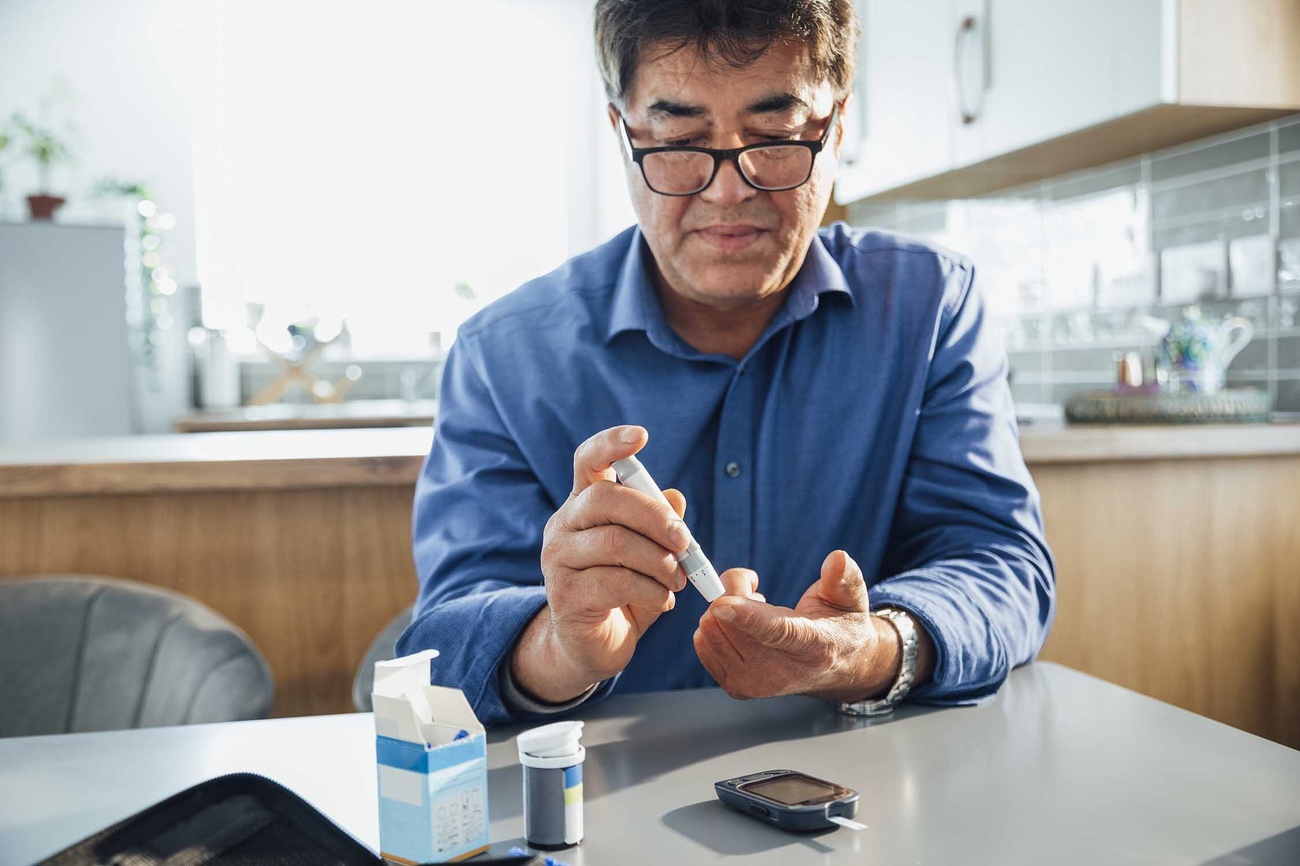
Cinnamon has been recognized for its potential to enhance blood sugar management, particularly by increasing insulin sensitivity and reducing post-meal blood sugar spikes. Studies have demonstrated that consuming 1-6 grams of cinnamon daily can reduce fasting blood sugar levels by 18-29% in individuals with type 2 diabetes . Additionally, cinnamon may lower hemoglobin A1c, a marker of long-term blood glucose control, by up to 0.49% .
Berberine Benefits
Berberine, a compound found in several plants, is noted for its substantial blood sugar-lowering effects. It operates through various mechanisms including enhancing insulin sensitivity, boosting insulin production, and decreasing glucose production in the liver . Research shows that berberine can reduce fasting blood sugar levels by up to 20% and hemoglobin A1c levels, making it as effective as conventional diabetes medications like metformin . It is generally recommended to take 1,000-1,500 mg of berberine daily in divided doses .
Other Helpful Herbs for Diabetes
Other herbal supplements have also been studied for their potential benefits in managing diabetes. Bitter melon, for instance, has shown promise in lowering glucose levels in small-scale studies . Alpha-lipoic acid is celebrated for its antioxidant properties and its ability to decrease fasting plasma glucose levels . Green tea, rich in polyphenols, may enhance insulin activity and improve glucose management . However, it is important to consult healthcare providers before starting any herbal supplement, especially to avoid potential interactions with existing medications .
Monitor Blood Glucose Regularly
Importance of Blood Sugar Testing
Regular monitoring of blood glucose levels is essential for individuals with diabetes to manage their condition effectively. By tracking blood sugar fluctuations, one can understand how different factors such as diet, exercise, and medication affect their glucose levels. This regular check is crucial in preventing complications associated with both hyperglycemia and hypoglycemia .
How to Test Blood Sugar at Home
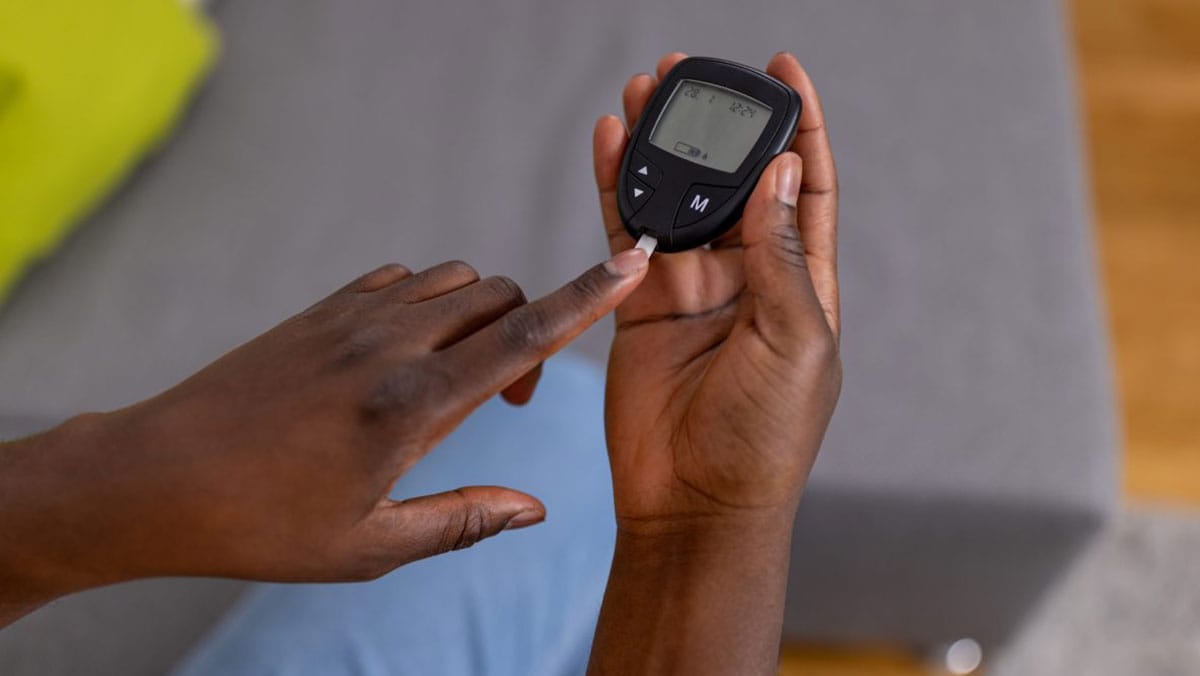
Testing blood sugar at home involves several steps to ensure accuracy. Firstly, individuals should wash their hands thoroughly to avoid contamination that could alter the test results. A small blood sample is then obtained using a lancet to prick the side of the fingertip. The blood is placed on a disposable test strip that goes into a glucose meter, which provides a digital blood sugar reading . For continuous monitoring, a Continuous Glucose Monitor (CGM) can be used. This device involves inserting a small sensor under the skin, which sends real-time glucose readings to an external monitor .
Interpreting Blood Glucose Readings
Understanding the readings from glucose tests is vital for effective diabetes management. Blood sugar targets can vary based on individual health conditions, but generally, maintaining blood glucose levels within the recommended range is crucial. Individuals should discuss their specific target ranges with their healthcare provider. Regularly comparing current readings with these targets helps in adjusting diet, exercise, or medications to better manage blood sugar levels .
Conclusion
Throughout this article, we've explored a variety of natural strategies to control diabetes and effectively lower blood sugar levels, highlighting the importance of embracing lifestyle changes and natural remedies. From exercising regularly and managing carbohydrate intake to increasing fiber consumption, staying hydrated, practicing stress management, getting adequate sleep, trying herbal supplements, and regular monitoring of blood glucose, these methods lay the foundation for proactive diabetes management and overall health improvement. These approaches not only offer immediate benefits in blood sugar control but also contribute significantly to long-term health and well-being, emphasizing the power of natural methods in the fight against diabetes.
The journey to managing diabetes is unique for every individual, and it requires a committed approach to healthy living and regular health monitoring. By integrating these strategies into daily life, individuals can enjoy a significant improvement in their quality of life and health outcomes. For those looking to expand their knowledge on managing diabetes and implementing these strategies effectively, watching a Free Video to Learn More! can offer valuable insights and guidance. Embracing these methods paves the way for a healthier future, underscoring the critical role of personalized and natural approaches in diabetes management.
Disclaimer
This article contains affiliate links, which means we may earn a commission if you make a purchase through these links. This comes at no additional cost to you. We only recommend products and services we believe will add value to our readers.
About the Creator
Isaiah Reed
Passionate about transforming ideas into compelling narratives, I specialize in creating content that not only captures attention but also drives engagement.
Enjoyed the story? Support the Creator.
Subscribe for free to receive all their stories in your feed.
Comments
There are no comments for this story
Be the first to respond and start the conversation.