
7 Effective Strategies for Anger Management in Children
Anger Management in Children

Introduction
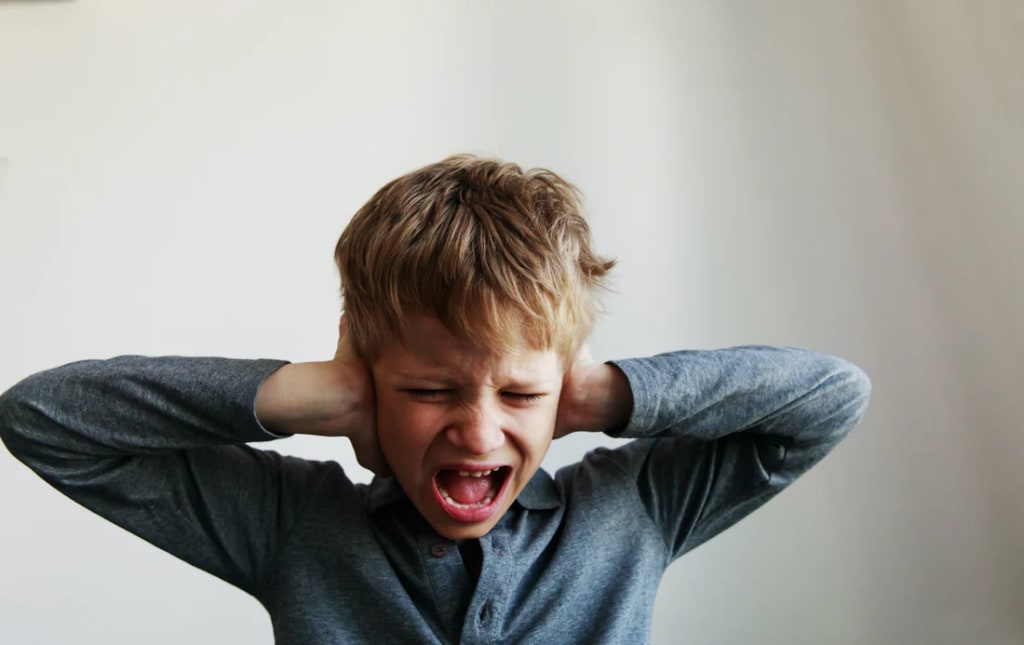
Anger management in children is essential for their emotional and social well-being. Uncontrolled anger can lead to behavioral issues, frustration, and difficulties in relationships. Teaching children how to manage their anger through positive strategies helps them express emotions in a healthy way. In this guide, we will explore seven effective techniques for anger management in children that parents and caregivers can use to nurture emotional regulation.
anger management In children
If you need professional support, consulting the best psychiatrist in Delhi can provide valuable insights and personalized strategies for Anger Management. Consider Visiting:
https://www.bestpsychiatristsindelhi.com/
1. Understanding the Causes of Anger in Children
Before going for Anger Management In Children, it’s important to understand what triggers it. Some common reasons include:
Frustration from unmet expectations
Communication difficulties, leading to emotional outbursts
Stress from school or social interactions
Changes in routine or unfamiliar situations
Sensory sensitivities in certain environments
Recognizing these triggers allows parents and caregivers to intervene early and provide children with constructive coping mechanisms.
2. Teaching Emotional Awareness
One of the main reasons for anger outbursts in children is their struggle to express emotions. Teaching them emotional awareness can help them communicate their feelings before anger escalates. Encourage children to:
Use words to describe their emotions (e.g., “I feel angry because…”).
Recognize physical signs of anger (clenched fists, raised voice, rapid breathing).
Understand that feeling angry is normal but should be managed appropriately.
For more insights on child emotional development, visit CDC’s Child Development.
3. Encouraging Healthy Communication
Children need guidance to express their frustrations in a non-aggressive way. Help them develop communication skills by:
Actively listening to their concerns.
Encouraging them to use “I” statements instead of blaming others (e.g., “I feel upset when…”).
Teaching problem-solving skills instead of reacting impulsively.
The American Psychological Association (APA) offers valuable insights on effective child communication strategies.
Anger management for moms
4. Practicing Calm-Down Techniques
Teaching children simple calming strategies can help them manage anger constructively. Some effective techniques include:
Deep breathing exercises (inhale for four seconds, hold, exhale for four seconds).
Counting to 10 before reacting.
Mindfulness activities, such as guided imagery or stretching.
These techniques encourage emotional self-regulation and prevent outbursts. For additional strategies, explore the National Institute of Child Health and Human Development (NICHD).
5. Establishing Clear Boundaries and Consequences
Children feel more secure when they understand behavioral expectations. Set clear rules regarding acceptable behavior and reinforce them consistently. Ensure that:
The rules are easy to understand.
Consequences for aggressive behavior are logical (e.g., loss of screen time).
Positive reinforcement is used when children manage their anger well.
A structured environment promotes self-discipline and emotional control.
6. Encouraging Physical Activity and Creative Outlets
Physical activity and creative expression are excellent ways for Anger management in children:
Outdoor play, sports, or yoga to channel energy constructively.
Art, music, or journaling as a creative way to process emotions.
Sensory activities, like playing with sand, clay, or stress balls, to soothe frustration.
Engaging in these activities provides children with healthy alternatives to aggressive reactions.
7. Modeling Positive Behavior
Children learn by observing adults. Parents and caregivers should demonstrate how to handle anger calmly and constructively. Set an example by:
Handling conflicts with patience.
Using respectful communication.
Apologizing when necessary and showing empathy.
By modeling self-control, adults can influence children to adopt the same approach.
The Role of Medication in Anger management in children
While behavioral strategies are the primary approach for Anger management in children, some cases may require additional support. If anger issues stem from an underlying mental health condition, professionals may consider interventions, including therapy or behavioral counseling. Medication is only prescribed in severe cases when recommended by a qualified healthcare provider. Parents should always consult mental health professionals before considering any form of treatment.
About the Creator
Delhi Mind Clinic
Delhi Mind Clinic provides expert psychiatric care for mental health conditions like anxiety, depression, OCD, and more. Our experienced team offers personalized, compassionate treatment to help individuals lead healthier, happier lives.
Enjoyed the story? Support the Creator.
Subscribe for free to receive all their stories in your feed.
Comments
There are no comments for this story
Be the first to respond and start the conversation.