
7 Best Aerophobia Treatment Methods for a Fear-Free Flying Experience
Aerophobia Treatment

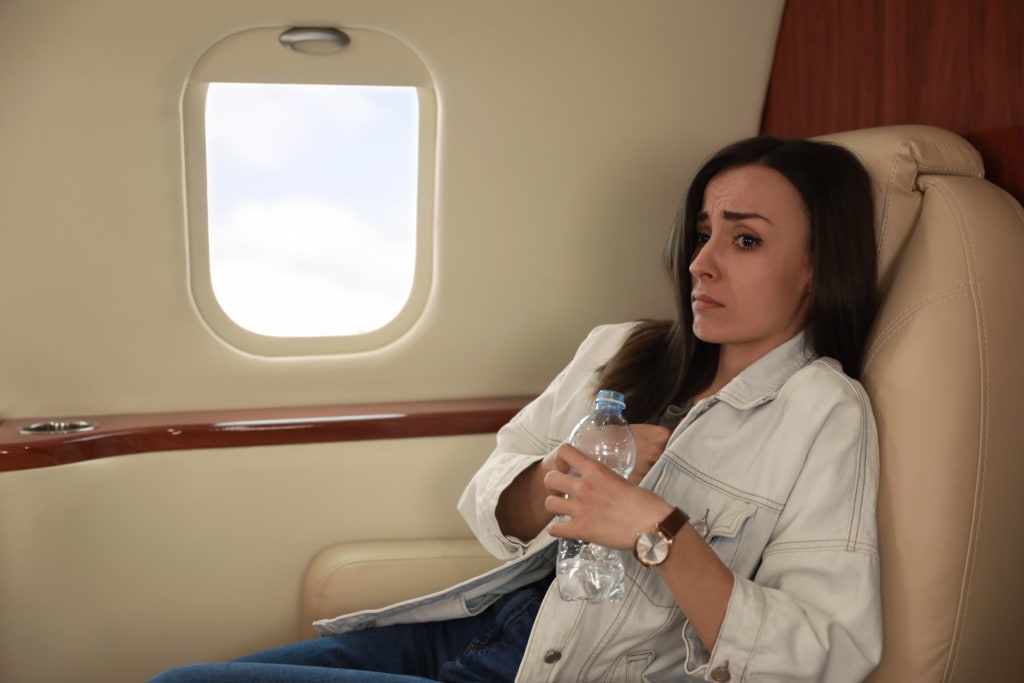
7 Best Aerophobia Treatment Methods for a Fear-Free Flying Experience
What is Aerophobia?
Aerophobia, commonly known as the fear of flying, is a type of anxiety disorder that prevents individuals from traveling by air. This fear can cause intense stress, panic attacks, and physical symptoms such as sweating, dizziness, and nausea.
While aerophobia affects many people worldwide, the good news is that aerophobia treatment is possible through psychological techniques, relaxation exercises, and gradual exposure to flying. This guide will explore the best methods to overcome this fear and regain confidence in air travel.
aerophobia treatment
If you need professional support, consulting the best psychiatrist in Delhi can provide valuable insights and personalized strategies for Phobias. Consider Visiting:
https://www.bestpsychiatristsindelhi.com/
1. Understanding the Cause of Aerophobia
Before starting aerophobia treatment, it is essential to identify the root cause of the fear. Common triggers include:
Fear of heights (acrophobia)
A past traumatic flight experience
Claustrophobia (fear of enclosed spaces)
Fear of loss of control
Generalized anxiety disorder (GAD)
Understanding these triggers can help in choosing the best aerophobia treatment method tailored to an individual’s needs.
2. Exposure Therapy: Gradually Facing the Fear
One of the most effective aerophobia treatment techniques is exposure therapy. This method involves gradually exposing oneself to flying-related situations in a controlled and safe environment. It can include:
Watching videos of successful flights
Visiting an airport without boarding a plane
Using virtual reality flight simulations
Taking short, domestic flights before attempting longer ones
Gradual exposure helps the brain recognize that flying is safe, reducing anxiety over time.
3. Cognitive Behavioral Therapy (CBT) for Thought Reframing
Cognitive Behavioral Therapy (CBT) is widely used for aerophobia treatment. This psychological approach focuses on changing negative thought patterns and replacing them with rational, calming thoughts.
A therapist can help individuals recognize irrational fears about flying and provide coping strategies to manage anxiety. Studies have shown that CBT can significantly reduce aerophobia symptoms, making it one of the most recommended treatment methods.
managing anger and frustration
4. Breathing and Relaxation Techniques to Stay Calm
Anxiety during flights often leads to physical symptoms like rapid heartbeat, shortness of breath, and muscle tension. Practicing relaxation techniques can help manage these symptoms effectively.
Some useful relaxation exercises for aerophobia treatment include:
4-7-8 Breathing Technique: Inhale for 4 seconds, hold for 7 seconds, and exhale for 8 seconds.
Progressive Muscle Relaxation (PMR): Tighten and relax different muscle groups to release tension.
Mindfulness Meditation: Focus on deep breathing and staying present in the moment.
Using these techniques regularly can help individuals stay calm before and during a flight.
5. Flight Education Programs to Reduce Fear
Many people with aerophobia fear the unknown aspects of flying. Learning about airplane safety, flight mechanics, and turbulence can reduce anxiety by eliminating misconceptions.
Several aviation organizations and airlines offer fear of flying courses, where participants can:
Interact with pilots and flight attendants
Learn about aircraft safety systems
Experience controlled flight simulations
Understanding how airplanes function can help reduce fear and improve confidence in flying.
6. Joining Aerophobia Support Groups
Support groups can be beneficial for those undergoing aerophobia treatment. Connecting with others who share similar fears can provide emotional support and encouragement.
Online forums and local support groups allow individuals to:
Share personal experiences and coping strategies
Receive guidance from professionals
Stay motivated throughout their treatment journey
Many individuals find group therapy to be an effective tool in overcoming their fear of flying.
For more info, Visit:
Federal Aviation Administration (FAA)
National Institute of Mental Health (NIMH)
Centers for Disease Control and Prevention (CDC)
7. Practicing Short Flights to Build Confidence
For those ready to take the next step in aerophobia treatment, starting with short flights is an excellent strategy. Begin with a one-hour domestic flight before gradually increasing flight durations.
Each successful flight experience helps rewire the brain to associate flying with safety rather than fear. With time and repeated exposure, aerophobia can significantly diminish.
Role of Medication in Aerophobia Treatment
While psychological therapies and exposure techniques are the primary approaches for overcoming aerophobia, some individuals may require additional support. In certain cases, healthcare professionals may prescribe medications to manage severe anxiety symptoms associated with flying.
best psychiatrist in delh
Final Thoughts
Aerophobia treatment is possible with the right approach and dedication. Whether through exposure therapy, cognitive behavioral therapy (CBT), relaxation techniques, or flight education programs, individuals can overcome their fear of flying and enjoy stress-free air travel.
If you or someone you know struggles with aerophobia, seeking professional help can make a significant difference. Overcoming the fear of flying is achievable, and with consistent effort, air travel can become an enjoyable experience.
About the Creator
Delhi Mind Clinic
Delhi Mind Clinic provides expert psychiatric care for mental health conditions like anxiety, depression, OCD, and more. Our experienced team offers personalized, compassionate treatment to help individuals lead healthier, happier lives.
Enjoyed the story? Support the Creator.
Subscribe for free to receive all their stories in your feed.
Comments
There are no comments for this story
Be the first to respond and start the conversation.