
WWII VETERAN
How experts say we'll continue to honor WWII veterans
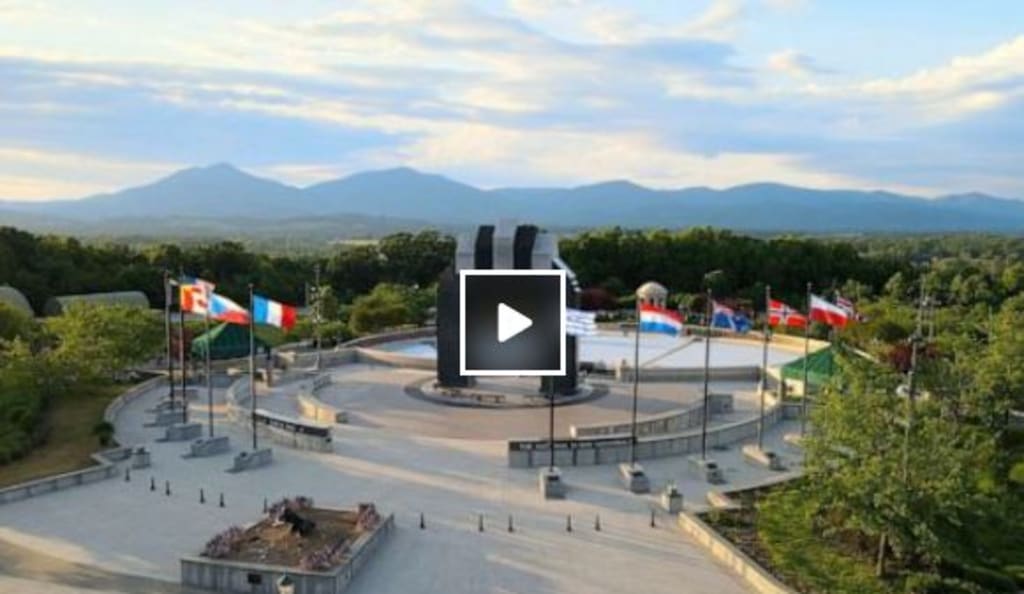
As a professional, I would like to highlight that the ways in which we honor World War II veterans will likely continue to evolve over time. It is important to recognize that these individuals made significant sacrifices in defense of their countries, and their contributions deserve ongoing acknowledgment and respect.
One of the key ways in which experts suggest honoring WWII veterans is through education. By incorporating their stories and experiences into history curricula, we can ensure that future generations understand the magnitude of their service. This can be done through classroom lessons, guest speakers, or even visits to museums and memorials dedicated to preserving the memory of World War II.
Another important aspect of honoring WWII veterans is through commemorative events and ceremonies. These can take the form of memorial services, parades, or anniversaries dedicated to remembering key battles or moments from the war. These events serve as a way to pay tribute to the veterans, allowing them to see that their sacrifices are still appreciated by society.
World War II veterans are individuals who served in various capacities during the global conflict that took place from 1939 to 1945. They include soldiers, sailors, airmen, marines, and civilians who were actively involved in the war effort.
During World War II, millions of men and women from different countries around the world volunteered or were conscripted into military service. They fought in major theaters of war, such as Europe, the Pacific, North Africa, and Asia, and participated in significant battles and campaigns that helped shape the outcome of the war.
World War II veterans faced immense challenges and witnessed the horrors of warfare firsthand. They endured extreme physical and emotional hardships, including combat, long deployments, separation from loved ones, and exposure to dangerous conditions. Many experienced life-threatening situations, sustained injuries, or lost comrades in the line of duty.
It's important to acknowledge that World War II was a global conflict involving numerous countries and diverse individuals. The veterans of this war came from all walks of life and backgrounds. They included men and women from different races, ethnicities, religions, and social classes. Their contributions were crucial in the fight against fascism, totalitarianism, and aggression, and their sacrifices played a significant role in securing victory and promoting freedom and democracy.
After the war, World War II veterans returned home and embarked on various paths. Some continued their military careers, while others transitioned into civilian life, pursuing careers, education, and starting families. Many veterans faced challenges in readjusting to civilian society, coping with physical and mental scars, and rebuilding their lives in the aftermath of the war.
Over the years, efforts have been made to honor and recognize the contributions of World War II veterans. Various commemorative events, such as anniversaries, parades, and memorial services, continue to take place to pay tribute to their service. Additionally, organizations and initiatives aim to preserve their stories through oral histories, documentaries, and written accounts, ensuring that their experiences are not forgotten.
Today, as time passes and the number of living World War II veterans dwindles, it becomes increasingly important to remember and honor their legacy. Their courage, resilience, and sacrifices serve as a reminder of the price paid for freedom and the importance of striving for a more peaceful world.
Please keep in mind that this is a brief overview, and there is so much more to learn about the experiences and contributions of World War II veterans.
Furthermore, efforts to document and preserve the stories of WWII veterans are crucial. Oral history projects, documentaries, and written accounts are valuable tools for capturing and sharing their personal experiences. By doing so, we ensure that their stories are not lost to time and that their legacies continue to inspire and educate future generations.
Lastly, providing support and care for WWII veterans is an ongoing responsibility. Ensuring that they have access to quality healthcare, mental health services, and social support networks is essential. Organizations dedicated to assisting veterans and their families should continue their work, helping these brave individuals live their lives with dignity and respect.
In summary, experts recommend honoring WWII veterans through education, commemorative events, documentation of their stories, and ongoing support. By doing so, we can express our gratitude and ensure that their sacrifices are remembered and cherished for generations to come.
About the Creator
Enjoyed the story? Support the Creator.
Subscribe for free to receive all their stories in your feed.
Comments
There are no comments for this story
Be the first to respond and start the conversation.