
World of Bees
The most important information about bees

The Fascinating World of Bees
Bees, those tiny, buzzing insects that often go about their work unnoticed, play a vital role in our world. They are not just a source of honey; they are essential pollinators that contribute to the growth of fruits, vegetables, and nuts, which make up a substantial part of our diets. Bees are remarkable creatures with complex social structures, and they have been a subject of fascination for scientists and nature enthusiasts alike.
The Hive and Its Inhabitants
A bee colony is a highly organized society with distinct roles for its members. At the heart of the colony is the queen bee, the mother of all the bees in the hive. Her primary role is to lay eggs, which can number in the thousands each day. The worker bees, which are all female, perform various tasks such as foraging for nectar and pollen, caring for the young, and defending the hive. Male bees, known as drones, have a single purpose: to mate with a new queen from another colony.
The Art of Pollination
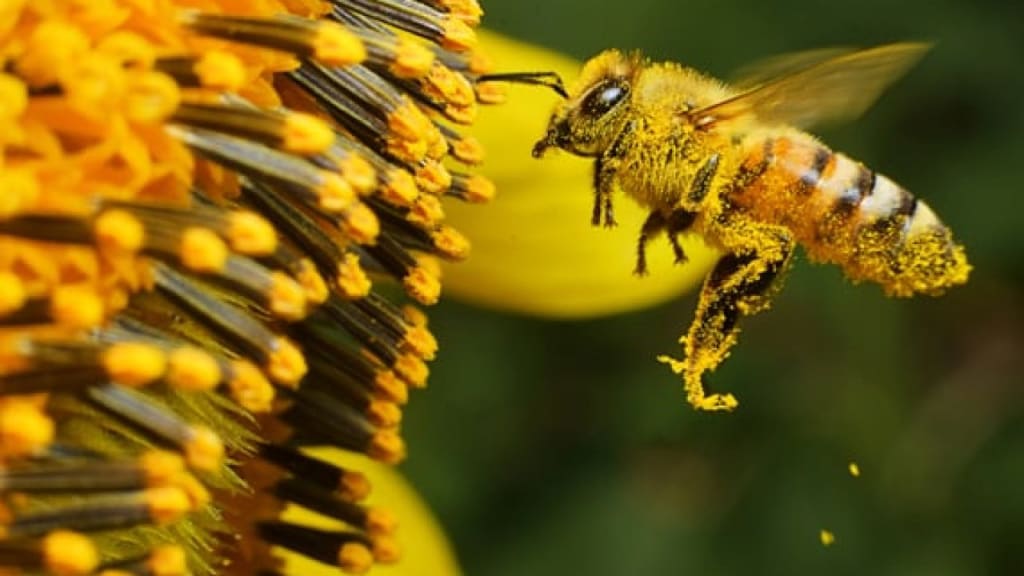
One of the most critical functions of bees is pollination. As bees collect nectar from flowers, they inadvertently transfer pollen from one flower to another, facilitating fertilization. This process is essential for the reproduction of countless plant species, including many that humans rely on for food. In fact, approximately one-third of the world's food crops depend on pollinators like bees.
The Threats to Bee Populations
Despite their vital role, bee populations worldwide are facing numerous threats that put their survival in jeopardy. Some of the most significant challenges include:
Pesticides: The use of chemical pesticides, particularly neonicotinoids, has been linked to bee deaths and colony collapse disorder. These chemicals harm bees by affecting their nervous systems and impairing their ability to forage and reproduce.
Habitat Loss: Urbanization, agriculture, and deforestation have led to the destruction of natural habitats where bees forage for food and establish their hives. The loss of wildflower-rich meadows reduces the availability of nectar and pollen, affecting bee nutrition and survival.
Climate Change: Climate change disrupts the timing and availability of flowering plants, causing a mismatch between bees and their food sources. Extreme weather events can also stress bee colonies, making them more susceptible to diseases and other threats.
Parasites and Diseases: Bees are vulnerable to various parasites and diseases, including the Varroa destructor mite and Nosema fungus. These pathogens weaken bee colonies, making them less productive and more prone to other stressors.
The Importance of Bee Conservation
Protecting and conserving bee populations are critical for maintaining the balance of our ecosystems and ensuring food security. Here are some ways we can contribute to bee conservation:
Plant Bee-Friendly Gardens: Plant a variety of flowers that bloom at different times to provide bees with a continuous source of nectar and pollen.
Reduce Pesticide Use: Limit the use of pesticides in your garden or farm and explore alternative, bee-friendly pest control methods.
Support Beekeeping: Encourage responsible beekeeping practices and support local beekeepers who play a crucial role in bee conservation.
Educate and Advocate: Raise awareness about the importance of bees and the threats they face. Support policies and initiatives aimed at protecting bee habitats and regulating pesticide use.
In conclusion, bees are incredible creatures that contribute significantly to our world's biodiversity and food production. While they face many challenges, there is much we can do to protect and conserve them. By understanding the vital role bees play in our lives and taking action to safeguard their future, we can ensure that these industrious insects continue to thrive and benefit our planet for generations to come. Bees are not just insects; they are essential partners in the delicate dance of nature.
About the Creator
Enjoyed the story? Support the Creator.
Subscribe for free to receive all their stories in your feed.
Comments
There are no comments for this story
Be the first to respond and start the conversation.