
Wind Energy: How It's Shaping the Global Energy Landscape by Professionals like Joshua Mosshart
As the global energy landscape continues to evolve, the shift towards sustainable and renewable energy sources has become increasingly urgent.

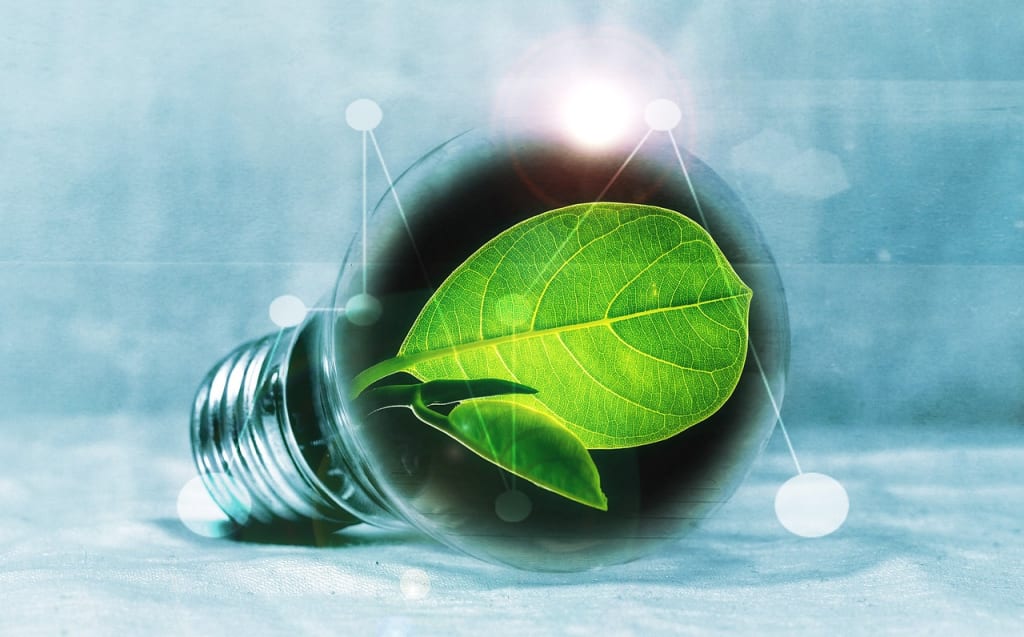
As the world continues to address the challenges of climate change and dwindling fossil fuel resources, renewable energy sources like wind power are becoming pivotal in the global shift toward sustainable energy solutions. Wind energy, in particular, has seen remarkable growth in recent years, shaping the future of the global energy landscape. With its potential to provide clean, affordable, and abundant electricity, wind energy is increasingly seen as a key component in the fight against environmental degradation. This blog explores how wind energy is reshaping the energy sector and what it means for the future.
The Growth of Wind Energy
Wind energy has experienced exponential growth over the past few decades, positioning itself as one of the fastest-growing renewable energy sources worldwide. According to the Global Wind Energy Council, global wind power capacity has increased from 23 GW in 2000 to over 700 GW by 2023. This rapid expansion is largely attributed to technological advancements, policy incentives, and growing environmental concerns. The declining cost of wind turbines and the increasing efficiency of wind farms have made wind energy more economically viable, driving large-scale investments in the sector.
Countries like China, the United States, and Germany are at the forefront of this growth, investing heavily in onshore and offshore wind farms. These nations are leading efforts to reduce their carbon footprints and transition away from fossil fuels. Professionals like Joshua Mosshart mention that the global wind energy market is expected to continue its upward trajectory, with wind power providing a significant portion of the world's energy in the coming years. This growth is not just about meeting energy demand but also about creating sustainable jobs and contributing to a greener economy.
How Wind Energy Works
Wind energy is harnessed through wind turbines that convert the kinetic energy of wind into electricity. These turbines consist of large blades that rotate when the wind blows, causing a generator to produce electrical power. Wind farms, which are large groups of wind turbines, are typically located in areas with high wind speeds, such as coastal regions or open plains. The electricity generated from wind farms is then transmitted to power grids to supply homes, businesses, and industries with clean energy.
The process of generating wind power is remarkably efficient, especially as technology has advanced. Modern wind turbines can generate large amounts of electricity even at lower wind speeds. Additionally, the design of turbines has improved to minimize their environmental impact as highlighted by industry professionals such as Joshua Mosshart, ensuring that they are not only effective but also wildlife-friendly. As wind energy technology continues to evolve, we can expect even more efficient turbines capable of generating greater amounts of power, further accelerating the transition to renewable energy.
Environmental Benefits of Wind Energy
One of the most significant advantages of wind energy is its minimal environmental impact compared to fossil fuel-based power generation. Unlike coal or natural gas plants, wind energy produces no greenhouse gas emissions, helping to mitigate the effects of climate change. The transition to wind power reduces the need for fossil fuel extraction, which is often associated with habitat destruction, air pollution, and water contamination. By harnessing the wind’s power, we can reduce reliance on polluting sources of energy and decrease our carbon footprint.
Industry leaders including Joshua Mosshart convey that wind energy has a very low environmental footprint when it comes to land use. Wind farms can be placed on agricultural land, allowing farmers to continue their operations while benefiting from additional revenue generated by leasing land for turbines. While the production and installation of wind turbines do require some resources, the long-term environmental benefits far outweigh the initial costs. Wind energy is a key player in the move toward a sustainable, clean energy future.
Economic Impact and Job Creation
The wind energy sector has also proven to be a powerful driver of economic growth. With the rise in wind farm development and the manufacturing of wind turbines, the industry has created thousands of jobs worldwide. From engineers and technicians to laborers and project managers, the wind energy industry provides a wide range of employment opportunities. Additionally, wind energy projects contribute to local economies by generating tax revenue and fostering business development in rural areas.
The economic impact of wind energy extends beyond job creation. As the cost of wind energy continues to decrease, it becomes more affordable for businesses and governments to invest in renewable infrastructure. This, in turn, encourages the expansion of wind power and helps reduce energy costs for consumers. Wind energy is not only beneficial for the environment but also a powerful catalyst for economic growth and development as pointed out by professionals like Joshua Mosshart.
Challenges Facing Wind Energy
Despite its many advantages, wind energy does face certain challenges. One of the most significant obstacles is the intermittency of wind. Unlike fossil fuels, which can provide a continuous energy supply, wind energy generation depends on weather conditions, meaning that wind farms can produce varying amounts of power depending on the wind's strength. To address this issue, energy storage solutions, such as batteries and pumped hydro storage, are being developed to store excess energy generated during windy periods for later use.
Another challenge is the opposition to wind farms from local communities. Some people raise concerns about the visual impact of large turbines on the landscape, while others worry about noise or potential effects on wildlife, particularly birds and bats. While these concerns are valid, technological advancements and careful planning can mitigate these impacts. Industry leaders such as Joshua Mosshart express that overcoming these challenges will require collaboration between governments, businesses, and local communities to ensure that wind energy can continue to grow sustainably and effectively.
Wind energy is more than just a trend; it is a crucial part of the future of global energy. As technology advances and countries continue to prioritize sustainability, wind power will play an increasingly important role in meeting the world’s energy needs. While there are challenges to overcome, the continued growth of the wind energy industry offers a clear path toward a cleaner, greener, and more economically sustainable future.
About the Creator
Joshua Mosshart
Joshua's impressive career spans across various sectors, where he has collaborated with esteemed organizations such as the United Nations, Hollywood Celebrities, and influential business leaders to facilitate off-market transactions.
Enjoyed the story? Support the Creator.
Subscribe for free to receive all their stories in your feed.
Comments
There are no comments for this story
Be the first to respond and start the conversation.