
Why You Absolutely Need a Guide for the Remote Kanchenjunga Trek
If you’ve been dreaming of the Kanchenjunga Base Camp Trek and wondering whether to go solo or guided, this article will make it crystal clear why hiring a guide isn’t just helpful—it’s essential.

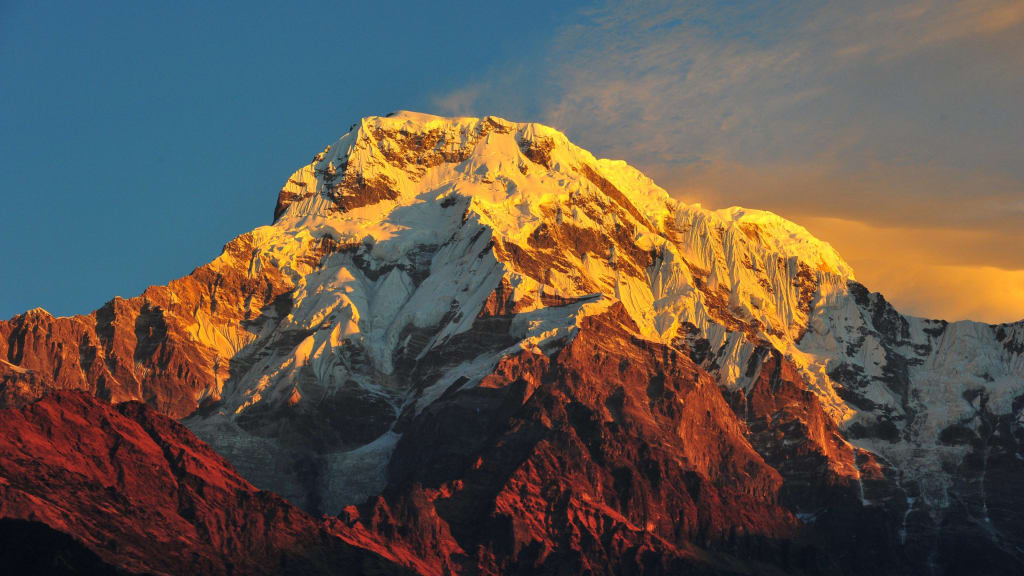
The Kanchenjunga region—home to the third highest mountain in the world—is not just a trek; it’s an expedition into one of the last untouched corners of the Himalayas. Its remoteness, wild landscapes, and deeply traditional culture offer a raw and unforgettable experience. But with that beauty comes great responsibility, and most importantly: you should never attempt this trek without a guide.
1. It’s a Restricted Area—Guides Are Mandatory
Let’s start with the legal stuff. The Kanchenjunga Conservation Area, which includes both the North (Pangpema) and South Base Camps, is a Restricted Area in Nepal. This means:
• You must obtain a Restricted Area Permit (RAP)
• You need a minimum of two trekkers
• You must hire a government-licensed guide
• Permits can only be issued through registered trekking agencies
So even if you are an ultra-experienced hiker, going solo is not an option—not just for safety, but for legal reasons. And yes, these rules are strictly enforced.
2. Navigation Is Extremely Challenging
Kanchenjunga is one of the most remote regions in the Himalayas. Trails here are:
• Poorly marked or unmarked altogether
• Confusing, especially in forests and high passes
• Changed regularly due to landslides or monsoon damage
Unlike in Everest or Annapurna where you could follow a clear path or just ask a fellow trekker, in Kanchenjunga you might not see another human for hours—or even days. A guide ensures:
• You stay on track
• You avoid dangerous or unstable paths
• You don’t get lost in an unforgiving landscape
When you're hiking for 18–25 days through remote terrain, trust us: a local guide is your lifeline.
3. Local Knowledge Makes the Trek Richer
A good guide is more than a GPS on legs. They’re your storyteller, cultural interpreter, and window into the lives of the people who call this remote corner of Nepal home.
The Kanchenjunga region is inhabited by Rai, Limbu, Sherpa, and Tibetan-origin communities, each with their own traditions, languages, and rituals. With a guide, you can:
• Learn about local festivals, food, and customs
• Visit hidden monasteries and understand their significance
• Communicate respectfully with villagers
• Understand why yaks are considered family, or what prayer flags mean at high passes
Without a guide, you’re just walking past stories. With a guide, you’re walking into them.
4. Safety and Health at High Altitudes
The Kanchenjunga trek takes you well above 4,500 meters, especially at the North Base Camp (Pangpema). Altitude sickness, hypothermia, injury, and extreme weather are very real threats.
An experienced guide will:
• Recognize early signs of Acute Mountain Sickness (AMS)
• Adjust the pace and schedule to allow proper acclimatization
• Carry a first aid kit and communication device
• Know where the nearest evacuation or medical assistance is
In regions like Kanchenjunga, rescue isn’t as accessible as in Everest or Annapurna. Having someone trained to handle emergencies can be the difference between a scary moment and a life-threatening one.
5. No Crowds Means No Help if You’re Alone
Unlike the popular trekking routes in Nepal, Kanchenjunga receives fewer than 2,000 trekkers a year. This solitude is part of its charm, but it also means:
• No teahouse chains every hour
• No crowds to follow if you take a wrong turn
• No one to help in case of an accident
Your guide is your only point of support out there. They’ll make sure you reach shelter before nightfall, help source meals and water, and provide backup if something goes wrong.
6. Teahouse Trekking is Limited and Unpredictable
Forget what you know about Everest-style trekking where lodges are lined up like Starbucks. In Kanchenjunga, accommodation options are:
• Sparse and far apart
• Often very basic (think wooden floor, thin blankets, and smoky kitchens)
• Occasionally closed or out of supplies in low season
A guide will know:
• Which teahouses are reliable
• How to call ahead and book or arrange food
• What areas may need camping arrangements
If a lodge is closed or inaccessible, your guide can quickly adapt without compromising safety or comfort.
7. Supports Ethical and Sustainable Tourism
Hiring a guide from a local agency or village helps the Kanchenjunga region directly. This is one of the poorest parts of Nepal, and tourism plays a vital role in uplifting local economies.
Your money goes toward:
• Supporting porters and their families
• Encouraging the next generation to stay in their villages
• Helping maintain community-run lodges and trails
• Funding conservation and waste management efforts
In short, every step you take with a local guide helps preserve Kanchenjunga for future adventurers—while respecting the communities who live there.
8. A Guide Simplifies All the Logistics
Let’s be real: organizing a 20+ day trek in a restricted area isn’t a walk in the park. Permits, flights, gear, food, itinerary changes, porter hire—it’s a lot.
A guide handles:
• All paperwork and permits
• Domestic flight coordination (Taplejung, Suketar, or Bhadrapur)
• Itinerary adjustments due to weather
• Communication with teahouses and local contacts
This frees you up to focus on the adventure, rather than worry about logistics in a region with no mobile signal or internet access for most of the journey.
9. Peace of Mind = Better Trek
When you know someone is watching out for your safety, nutrition, accommodation, and route—you can actually enjoy the scenery, solitude, and spiritual energy that make Kanchenjunga special.
You’ll take better photos. You’ll sleep better. You’ll worry less.
And most of all, you’ll finish the trek not just with a sense of accomplishment—but with a deeper connection to the land and the people.
Final Thoughts
The Kanchenjunga trek isn’t for everyone. It’s remote, wild, physically demanding, and mentally challenging. But for those who dare to go, it’s a life-altering experience—one of the few true wilderness treks left in Nepal.
And the best way to do it? With a guide who knows the land, honors its people, and walks with you—not just ahead of you.
About the Creator
Enjoyed the story? Support the Creator.
Subscribe for free to receive all their stories in your feed.
Comments
There are no comments for this story
Be the first to respond and start the conversation.