
Why Tsum Valley Trek Without a Guide Is a Risk You Should Think Twice About
Deep in the Himalayas, isolation without guidance can become more than just a challenge

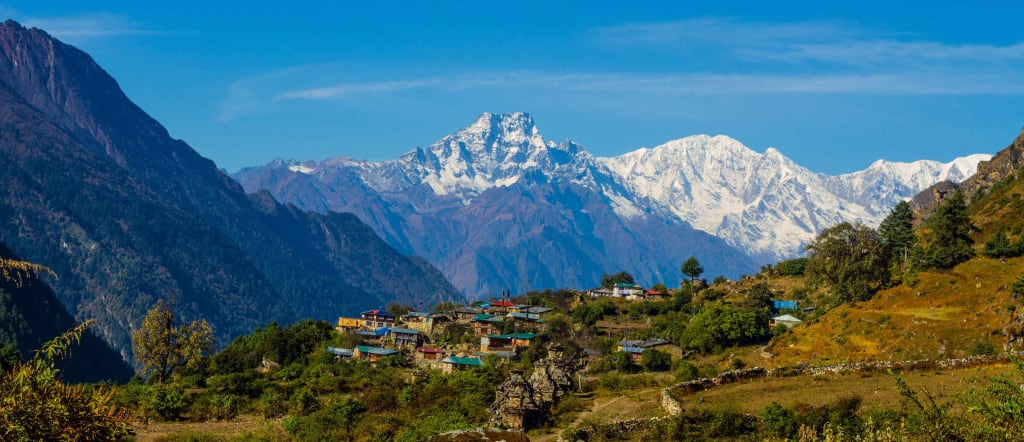
Tsum Valley sits in the northern part of the Gorkha region, away from busy trekking routes. That’s what makes it special. I was drawn to its silence, ancient monasteries, and the hope of exploring something less commercial. But going without a guide turned that dream into a long list of problems.
It started off fine in Arughat, but the higher I went, the fewer people I saw. The trail markers became less frequent. Phone signals dropped. There were days when I didn’t cross a single person. In places like Chumling or Nile, I found myself doubting the route I had taken.
Trail Confusion Is Common
The Tsum Valley Trek is not like Everest or Annapurna. It’s not busy. You won’t find crowds or obvious tracks. Some paths are worn down by locals who take different routes for livestock and farming. Following GPS or printed maps did not always help. Once I walked for two hours only to reach a cliff where the trail had collapsed due to landslide damage.
With a guide, you have local knowledge on your side. They know where to take the detour, how to cross rivers safely, and where to stay if weather forces you to stop early.
Language Barrier Adds to the Difficulty
One big challenge I faced was communication. Many people in the upper villages speak Tibetan dialects, not Nepali or English. I tried asking for directions, but even the simplest questions became confusing. A guide would have acted as a translator and helped me interact better with the locals.
Because of that barrier, I missed out on a lot of stories, conversations, and even cultural customs. What could have been an enriching experience turned into quiet, awkward stops where I simply smiled and walked past.
Managing Supplies Alone Is Tough
There are limited shops and lodges on this trail. In many places, food is basic and supplies are brought in by mules or porters. One mistake I made was not carrying enough snacks or warm clothing during the climb to Mu Gompa. It got cold, and the lodge had limited food choices.
Guides plan for this. They know how much to carry, what you’ll need for remote stretches, and which lodges are reliable. I ended up paying extra just to get a hot meal or find a warm blanket, simply because I hadn’t prepared the way a guide would have helped me to.
Safety Is a Serious Concern
Tsum Valley is peaceful but isolated. Injuries, altitude sickness, and weather changes can become life-threatening without support. When I started feeling lightheaded near Mu Gompa, I didn’t know what to do. No pharmacy. No rescue services. No local health center.
I had to stay an extra night to recover. Had it been something worse, there would have been no one to carry me down or arrange help. A guide often carries basic first aid, watches for symptoms, and has contacts for emergency help.
You Miss the Story Behind the Trail
Tsum Valley has deep cultural roots. It’s connected to ancient meditation caves, Buddhist beliefs, and legends that most trekkers miss. Without a guide, you walk past these sites without knowing their meaning. I saw people lighting incense and chanting, but I didn’t know why.
That’s the difference a guide brings — not just direction but understanding. They connect you to the history, the culture, and the people. You’re not just walking through a valley. You’re part of a story.
What I Took Away from It
Going without a guide on the Tsum Valley Trek taught me a lot, but most of it came through struggle. I learned how isolation tests your patience. I learned that saving money by skipping a guide doesn’t always save anything in the end.
The valley is beautiful. It’s pure. But it’s also rough, cold, and empty in ways you won’t expect. A guide turns that isolation into insight. They offer security, clarity, and comfort in places where things can go wrong without warning.
If you are planning to do the Tsum Valley Trek, think twice before choosing to go alone. It is not just a trek. It’s a remote journey that demands more than willpower it demands knowledge, experience, and someone who knows the path better than any map can show.
About the Creator
Bitisha Sherpa
I’m a travel guide at Nepal Social Treks, a trusted tour company. A passionate traveler, I love helping people explore nature, culture, and adventure. I specialize in peak climbing in Nepal, guiding you to reach new heights safely.
Enjoyed the story? Support the Creator.
Subscribe for free to receive all their stories in your feed.
Comments
There are no comments for this story
Be the first to respond and start the conversation.