
Why Trekking Tsum Valley Feels Like Traveling Back in Time
As you pass through Tsum Valley’s villages, you are greeted by stone-built houses, slate roofs, and wooden window frames that reflect centuries-old Tibetan craftsmanship.

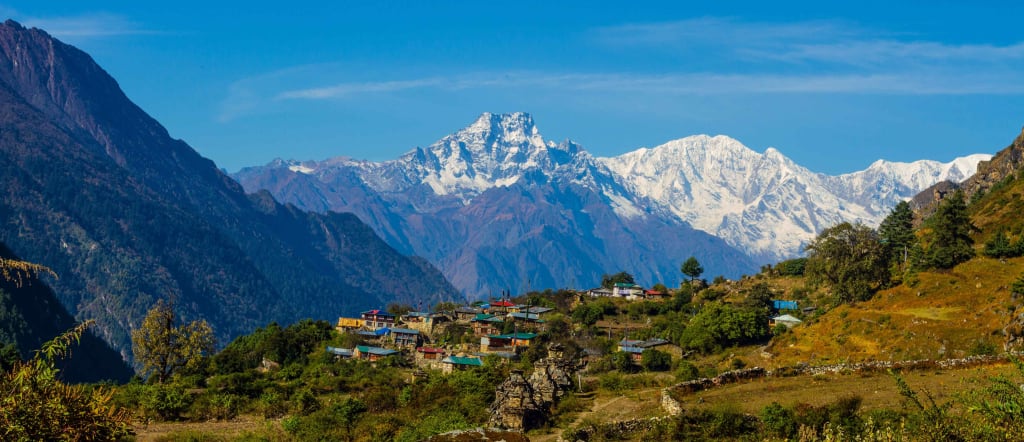
In a world rapidly transforming under the pressures of modernization, there are still rare places where the essence of ancient life continues undisturbed. One such place is Tsum Valley, a hidden gem nestled in the northern part of the Gorkha district in Nepal, within the majestic Manaslu region. Known as the "Hidden Valley of Happiness," Tsum Valley remained a restricted area until 2008, which has helped preserve its deep-rooted Tibetan Buddhist culture, traditional architecture, and spiritual serenity.
Trekking in Tsum Valley is more than just a scenic Himalayan hike; it is a journey through time. This blog will explore the reasons why Tsum Valley trekking feels like traveling back in time and why it deserves a place on every adventurer’s 2025 itinerary.
Geographical Isolation and Cultural Preservation
One of the main reasons Tsum Valley feels timeless is its geographical isolation. Located beyond the more frequented trails of the Manaslu Circuit, the valley is surrounded by snow-capped peaks such as Ganesh Himal, Sringi Himal, and Boudha Himal, and lies close to the Tibetan border.
For centuries, the people of Tsum Valley have remained relatively disconnected from the rest of Nepal, both physically and culturally. This isolation has allowed the Tsumba people, descendants of Tibetan immigrants, to preserve their unique dialect, customs, and religious traditions, largely untouched by outside influence. As you walk through villages like Chhokangparo, Nile, and Mu Gompa, it becomes clear that modern development has only lightly touched this land.
Deep Buddhist Spirituality
Spirituality is at the heart of the Tsum Valley experience. The region is deeply rooted in Tibetan Buddhism, and trekkers are constantly reminded of its presence through ancient monasteries, chortens (stupas), mani walls, and prayer flags that line the trail.
The most prominent religious sites include:
• Mu Gompa: The largest and oldest monastery in the valley, located at an altitude of 3,700 meters. It offers stunning views and spiritual ambiance.
• Rachen Gompa: A nunnery with historic and religious significance, built in the early 1900s.
• Milarepa’s Cave: A sacred cave where the revered Buddhist saint Milarepa is believed to have meditated.
In Tsum Valley, religion is not just a belief system—it is a way of life. Monks in red robes, butter lamps flickering inside stone temples, and the melodic chants of prayer wheels create an atmosphere unlike anywhere else in Nepal.
Traditional Architecture and Stone Settlements
As you pass through Tsum Valley’s villages, you are greeted by stone-built houses, slate roofs, and wooden window frames that reflect centuries-old Tibetan craftsmanship. The layout of the homes and settlements demonstrates a harmonious relationship with the environment, built using locally sourced materials and ancient techniques.
There are no concrete buildings or urban planning concepts here. Instead, you see timeworn structures standing resilient against the harsh Himalayan climate, a physical testament to the valley’s living history.
Limited Infrastructure and Minimal Modernization
While the rest of Nepal has seen a growing influx of roads, electricity, and telecommunications, Tsum Valley has remained largely untouched. There is limited road access, and most of the trek must be completed on foot, just as it has been for generations.
Mobile networks and internet connectivity are sparse, offering a rare chance to disconnect from the digital world and immerse in the present moment. The accommodations are simple tea houses or homestays, often run by local families who still cook over wood fires and serve food grown in their own gardens.
This absence of modern distractions adds to the sensation of having stepped into a forgotten world.
Authentic Local Encounters
Unlike some of Nepal’s more commercial trekking routes, Tsum Valley welcomes relatively few visitors each year. As a result, the local people remain curious, kind, and deeply hospitable. Trekkers are often invited into homes for tea, or given insight into festivals, daily rituals, and farming practices.
Interactions with the Tsumba community are genuine and unfiltered. Children walk long distances to school, elderly villagers spin prayer wheels while tending livestock, and families engage in communal farming—all evoking an era that seems centuries removed from modern urban life.
Seasonal Rhythms and Subsistence Living
The lifestyle in Tsum Valley is governed by nature and seasons. There is no industrial economy or large-scale agriculture. Instead, villagers rely on subsistence farming, livestock rearing, and trade with nearby Tibetan communities.
Barley, potatoes, and buckwheat are staples. Yaks and goats are crucial for meat, dairy, and wool. People still use traditional tools for farming, dry crops on rooftops, and preserve food for the long, harsh winters.
Observing these seasonal practices offers a rare view into how communities survived in the Himalayas long before roads, electricity, or imported goods arrived.
Restricted Region and Controlled Tourism
Tsum Valley is a restricted trekking area, which means travelers must obtain a special permit and be accompanied by a registered guide. This restriction has helped limit tourism and environmental degradation, protecting the valley from over-commercialization.
As a result, Tsum Valley still feels pristine and sacred, with trails that are clean, villages that are authentic, and experiences that remain true to tradition.
Permits required include:
• Tsum Valley Restricted Area Permit (around USD 40–70 depending on the season)
• Manaslu Conservation Area Permit (MCAP)
• Annapurna Conservation Area Permit (ACAP)
Trekking to Tsum Valley: What to Expect
A typical trek to Tsum Valley takes about 14 to 18 days, depending on the chosen route and pace. Many trekkers combine it with the Manaslu Circuit, but it can also be done independently as a standalone trek.
The trek starts from Machha Khola after a drive from Kathmandu and passes through Jagat, Lokpa, Chumling, and continues deeper into the valley. The terrain includes lush forests, high mountain trails, and river crossings, offering moderate to challenging conditions that reward trekkers with both physical and spiritual satisfaction.
Final Thoughts
Tsum Valley is not just a trekking destination—it is a living museum of Tibetan culture, Himalayan spirituality, and ancient ways of life. Walking through its villages, meeting its people, and standing before its monasteries evoke the feeling of having stepped into a different era.
In an age where travel is often dominated by curated experiences and artificial attractions, Tsum Valley stands out as a raw, authentic journey into the past. For trekkers in 2025 seeking meaningful exploration, deep cultural encounters, and unspoiled Himalayan beauty, Tsum Valley offers an experience that is not only rare—but timeless.
About the Creator
Enjoyed the story? Support the Creator.
Subscribe for free to receive all their stories in your feed.
Comments
There are no comments for this story
Be the first to respond and start the conversation.