
Why Trekking Nar Phu Valley Without a Guide Can Be a Serious Mistake
Personal experience from a remote trail where guidance means survival
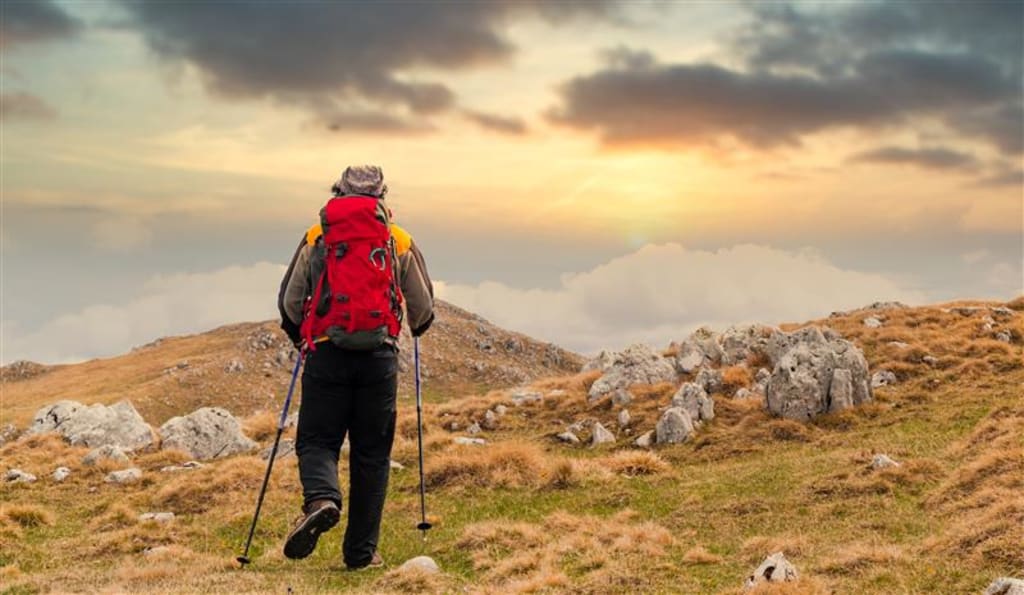
The Nar Phu Valley Trek guide is not just someone who walks ahead of you. In this region, a guide becomes your translator, navigator, and emergency backup. Nar Phu is hidden behind narrow gorges, forgotten villages, and high passes. It looks quiet on the map but feels totally different in real life. Going without a guide is not about being bold. It is about stepping into a remote corner of the Himalayas without the right tools.
When I tried to do it solo, I thought it would be a peaceful escape. Instead, I found myself confused and uncertain more often than I expected.
The Trail Starts With Confusion
There are no clear entry signs to Nar Phu. After Koto, the main trail branches off, and most trekkers miss it. I walked an extra four hours one morning, only to find I had taken the wrong slope through pine forests. Backtracking drained my energy. With no one around, I sat and stared at the trees trying to figure out how I went wrong. The trails beyond Meta often disappear under landslides and goat tracks. Without a guide, your choices become pure guesswork.
Permits Can Delay Your Plans
Nar Phu is in a restricted area. That means you need a special permit through a registered agency. It also requires you to be in a group of two or more, with a licensed guide. Solo trekking is not allowed here legally. Many travelers learn this too late and waste days trying to figure out solutions in Kathmandu or Pokhara.
I met a guy in Dharapani who had to return because he had no guide and the checkpoint would not let him pass. That’s the end of the road without the right paperwork, even if you’re physically ready.
No Shops No Signals No Support
Once you enter Nar Valley, there are long stretches where you will not see a single shop or phone signal. You have to carry extra food, and if something breaks or goes wrong, you cannot count on finding help. I remember my water filter broke in Phu. There was no replacement anywhere. A guide would have carried a backup or known who to ask in the village.
Without support, even small things become problems. You might think you are independent until you run out of snacks in the middle of nowhere or fall sick from drinking untreated water.
Villagers Are Kind but Distant
The culture in Nar and Phu is old and untouched. People live simple lives based on farming, yaks, and prayer. They speak a local dialect that is hard to understand. Without a guide, talking to them becomes almost impossible.
I stayed in a small home in Phu where the family welcomed me, but I could not ask them anything. I wanted to know about the ruined forts above the village or the old Buddhist practices, but all I could do was smile and eat quietly. Later, I learned from another group’s guide that those ruins are centuries old and tied to Tibetan warriors. Without a guide, you just see stone walls and miss the meaning.
Kang La Pass Is Not Just a Hike
Crossing Kang La Pass is the hardest part of the trek. At over 5300 meters, it is icy, windy, and steep. I met two trekkers who turned back halfway because they lost the trail markings in snow. With no help, they decided not to risk it. A guide knows when to push forward and when to wait. They bring ropes, extra jackets, and sometimes even radios for safety.
When I crossed it with help, I could see how easy it was to get stuck or lost. Without local knowledge, you are gambling with altitude and weather.
You Miss the Depth of the Experience
Nar and Phu are places where silence speaks volumes. But a guide helps fill in that silence with stories, history, and facts that make each day richer. They explain why mani walls are placed in certain ways. They show you the right side to walk around a chorten.
When I walked alone, I saw these things without knowing what they meant. Later, when I joined a group with a guide for just one day, I realized how much I had missed. The meaning behind each prayer flag, the story of the hidden cave above Nar, the reason goats are released in certain rituals — these details make the trek unforgettable.
Final Thought
Going alone in Nar Phu Valley sounds peaceful in theory, but in practice, it comes with frustration, delays, and missed connections. A guide is not a luxury here. They are the bridge between survival and meaning.
Want to understand what Nar Phu really offers and avoid mistakes along the way Check the Nar Phu Valley Trek guide by Enjoy Nepal Treks for practical help and trustworthy planning.
About the Creator
Enjoyed the story? Support the Creator.
Subscribe for free to receive all their stories in your feed.
Comments
There are no comments for this story
Be the first to respond and start the conversation.