
Why Trekkers Should Rely on Porters—And Treat Them Right
Hiring a porter enhances your safety, comfort, and cultural connection. But more importantly, it gives you a chance to walk ethically, respectfully, and responsibly through the Himalayas

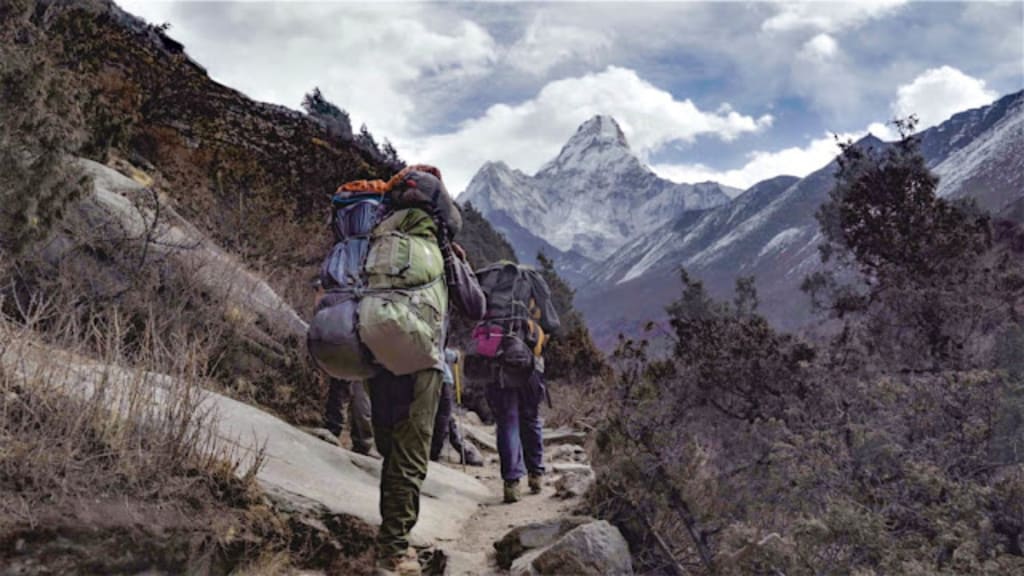
Trekking in the Himalayas is a life-changing adventure filled with natural beauty, cultural experiences, and physical challenges. Behind many successful high-altitude treks in Nepal, there’s an unsung hero: the porter. These hardworking individuals carry the gear, supplies, and sometimes even the weight of the journey—literally and emotionally—on their backs. While hiring a porter makes trekking easier for travelers, it’s crucial to understand their role and why they deserve respect, fair treatment, and ethical support.
In this article, we explore why trekkers should rely on porters, what their work truly involves, and how you can support them responsibly during your trekking journey.
What Do Porters Really Do?
Porters are essential members of the trekking community. They carry loads that can weigh 20–30 kilograms, including your duffel bags, food, gear, and other supplies necessary for your trek. In remote Himalayan regions, there are no roads or transportation services. Porters become the backbone of trekking logistics—sometimes walking ahead to prepare your lodge or staying behind to help slower trekkers.
Their responsibilities often go beyond carrying loads. Many offer emotional support, help in emergencies, and provide insights about the trail and local culture.
Why Trekkers Should Hire Porters
1. Trek Light and Safe
High-altitude trekking is physically demanding. Carrying a heavy pack can increase your risk of altitude sickness, fatigue, and even injury. Hiring a porter allows you to trek with a light daypack, reducing physical stress and helping you move comfortably and safely.
2. Support the Local Economy
Hiring porters directly contributes to the livelihoods of Nepalese families, especially in rural mountain communities where job opportunities are limited. Your investment in a porter’s services becomes part of a sustainable trekking practice that uplifts local economies.
3. Increase Trekking Success Rate
Trekkers who hire porters are more likely to complete their trek. Why? Because they conserve energy, acclimatize better, and experience less physical strain—especially on long treks like Everest Base Camp, Annapurna Circuit, or Manaslu.
4. Enhance Cultural Connection
Many porters come from the same villages along the trail. While their English may be limited, some enjoy engaging in conversations and sharing stories. This can turn your trek into a meaningful cultural exchange.
How to Treat Porters Right
Hiring a porter is not just a transaction—it’s a human relationship. Here’s how trekkers can be responsible and ethical:
1. Keep Loads Manageable
The maximum weight for a porter should not exceed 25 kg, including their own gear. If you have a large group or heavy luggage, consider hiring multiple porters.
2. Ensure Fair Pay and Insurance
If you’re hiring through a trekking agency, make sure the porters receive:
• Fair daily wages (typically $20–$30 per day)
• Meals and accommodation
• Proper trekking gear
• Insurance covering accidents and emergencies
Avoid agencies that underpay or send porters on treks without the proper safety nets.
3. Provide Gear and Equipment
Porters need proper clothing, boots, and jackets—especially for high-altitude treks. Some may not have everything they need. If possible, help provide or donate gear. At the very least, ensure the agency supplies them with essentials.
4. Treat Them With Respect
Simple gestures go a long way: offer tea, wait for them at resting points, ask about their day. Acknowledge their efforts, and never treat them as lesser or invisible.
5. Tip Generously
Tipping is a well-established custom in Nepal and an important source of income for porters. A standard tip ranges from $3–$5 per day, or more depending on the difficulty and your satisfaction.
Real Challenges Porters Face
While trekking is a thrilling adventure for visitors, porters often face hardships:
• Harsh weather conditions with inadequate gear
• Overloaded bags that strain their backs and knees
• Altitude-related illnesses without proper medical support
• Long hours of walking with little rest
Ethical trekking demands that we recognize these realities and ensure porters are not exploited in the name of adventure.
Choosing an Ethical Trekking Company
If you’re going through an agency, look for those that are members of or support:
• International Porter Protection Group (IPPG)
• Porter Welfare Organizations in Nepal
• Travelife Certified Tour Operators
These groups promote porter safety, fair wages, and responsible treatment. Always ask agencies how they treat their staff before booking.
Trekking Without a Porter: Think Twice
Some trekkers opt to go solo, believing it’s more “authentic” or budget-friendly. While solo trekking is a personal choice, it also increases your load, fatigue, and the risk of altitude sickness. You may also miss out on cultural insights, support, and safety that a local porter can provide.
Remember, hiring a porter isn't a luxury—it’s a responsible and sustainable way to trek.
Porters Are the Heart of Himalayan Trekking
Every mountaineer who’s summited Everest or reached Annapurna Base Camp has done so with help—from porters hauling tents to guides navigating trails. These individuals work behind the scenes, often without recognition, to make every journey possible.
They are more than just laborers; they are storytellers, trail experts, and the heartbeat of Nepal’s trekking world.
Final Thoughts
Trekking in Nepal is a privilege—and that privilege is made possible by the porters who walk beside you, behind you, or often ahead of you, carrying what you cannot. Hiring a porter enhances your safety, comfort, and cultural connection. But more importantly, it gives you a chance to walk ethically, respectfully, and responsibly through the Himalayas.
So when you plan your trek, don’t just ask, “Do I need a porter?” Ask instead, “How can I treat my porter with the dignity and respect they deserve?”
Because trekking isn’t just about reaching the summit—it’s about how you get there and who helps you along the way.
About the Creator
Enjoyed the story? Support the Creator.
Subscribe for free to receive all their stories in your feed.
Comments
There are no comments for this story
Be the first to respond and start the conversation.