
Why Tree Leaves Turn Brown in Summer: A Field Diagnostic Guide
Understanding leaf scorch, vascular pathogens, and root stress during peak heat.

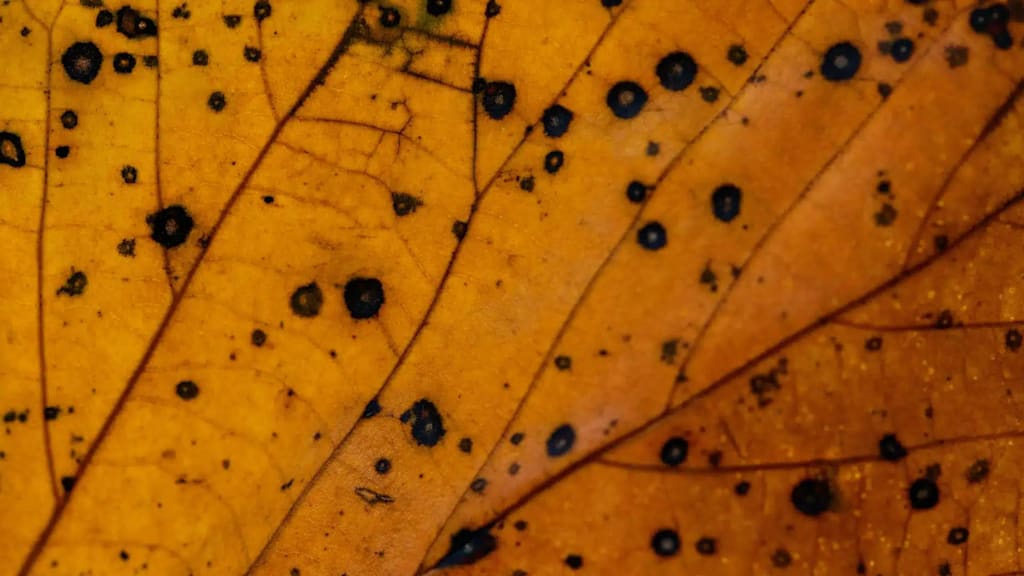
Finding crisp, brown leaves on a mature tree in July or August can be concerning. While autumn color changes are natural, midsummer foliage browning—often called leaf scorch—signals an active stress response.
Leaf scorch occurs when water loss through leaf transpiration outpaces the root system's ability to draw moisture from the soil. While brown foliage in peak summer is a clear warning sign, it does not automatically mean a tree is dying. Identifying the underlying trigger is the first step toward helping a struggling canopy recover.
Environmental and Soil Stressors
In residential landscapes, foliage browning is frequently an extreme reaction to harsh growing conditions rather than a contagious disease.
Moisture Deficit: Extended dry periods cause uniform browning along leaf tips and outer margins across the entire canopy.
Radiant Heat: High ambient temperatures, intensified by heat reflecting off pavement or dark roofs, scorch leaves—typically on the south and west sides of the tree.
Wind Desiccation: Hot, dry summer winds pull moisture from leaves faster than roots can replace it, leaving the windward side looking burnt.
Compacted Soil: Heavy clay soils packed tight by foot traffic or lawn equipment starve roots of oxygen, restricting water uptake during heat spikes.
Grade Changes: Adding topsoil over root zones disrupts gas exchange. A trunk lacking a natural flared base at the soil line indicates root suffocation below ground.
Salt Injury: Accumulated winter deicing salts disrupt water absorption months later, creating a sharp brown margin around leaf edges.
Vascular Diseases and Pathogens
Fungal and bacterial pathogens attack a tree’s internal water-transport tissue (xylem), physically blocking fluid movement from the inside out. These systemic conditions often progress rapidly and require careful monitoring.
Oak Wilt: A destructive fungal disease causing rapid top-down canopy browning. Leaves turn brown from the edges inward. Avoid pruning oaks between April and October, as open cuts attract beetles that carry fungal spores.
Anthracnose: Cool, wet spring conditions trigger this fungal infection, resulting in irregular brown blotches along leaf veins during summer heat.
Verticillium Wilt: A soil-borne fungus causing sudden wilting on isolated branches in maples and ornamentals, marked by dark staining inside the sapwood.
Dutch Elm Disease: Spread by bark beetles, this disease blocks water transport, causing individual branches to yellow and brown rapidly while the rest of the tree stays green.
Bacterial Leaf Scorch: Produces brown leaf margins separated from green center tissue by a distinct yellow or reddish band.
Pests and Structural Defects
Insects and physical root defects can sever fluid transport channels, cutting off the canopy's primary supply lines.
Emerald Ash Borer: Larvae chew galleries beneath ash bark, disrupting fluid flow. Look for thinning canopy tops and D-shaped exit holes in the bark.
Two-Lined Chestnut Borer: These opportunistic beetles target drought-weakened oaks, causing progressive crown dieback from the top down.
Spider Mites: Tiny sap-feeding pests that multiply in hot, dry weather, turning foliage a stippled bronze or brown color.
Girdling Roots: Roots wrapping tightly around the trunk base act like a slow-motion tourniquet, strangling fluid movement over several seasons.
Practical Tree Care Guidelines
While severe vascular diseases require professional diagnostic evaluation, basic supportive care improves general tree resilience:
Irrigate Deeply: Apply water slowly across the root zone during dry periods rather than using brief, shallow lawn sprinklers.
Mulch Properly: Maintain a 2- to 4-inch layer of organic mulch across the root zone to moderate soil temperature and retain moisture, keeping it clear of the trunk bark.
Avoid Excess Fertilizer: Applying nitrogen to a drought-stressed tree forces flush growth that struggling roots cannot support. Test soil before applying amendments.
Protect the Trunk Base: Keep string trimmers and mowers away from the bark to prevent mechanical wounds that invite pathogens.
Recognizing early signs of leaf scorch allows property owners to adjust care practices before permanent canopy loss occurs.
About the Creator
ORB Tree Service Marketing
ORB Tree Service Marketing provides SEO and local search strategies for the tree care and roofing industries. Follow us for insights on search optimization and lead generation for home services.
Enjoyed the story? Support the Creator.
Subscribe for free to receive all their stories in your feed.
Comments
There are no comments for this story
Be the first to respond and start the conversation.