
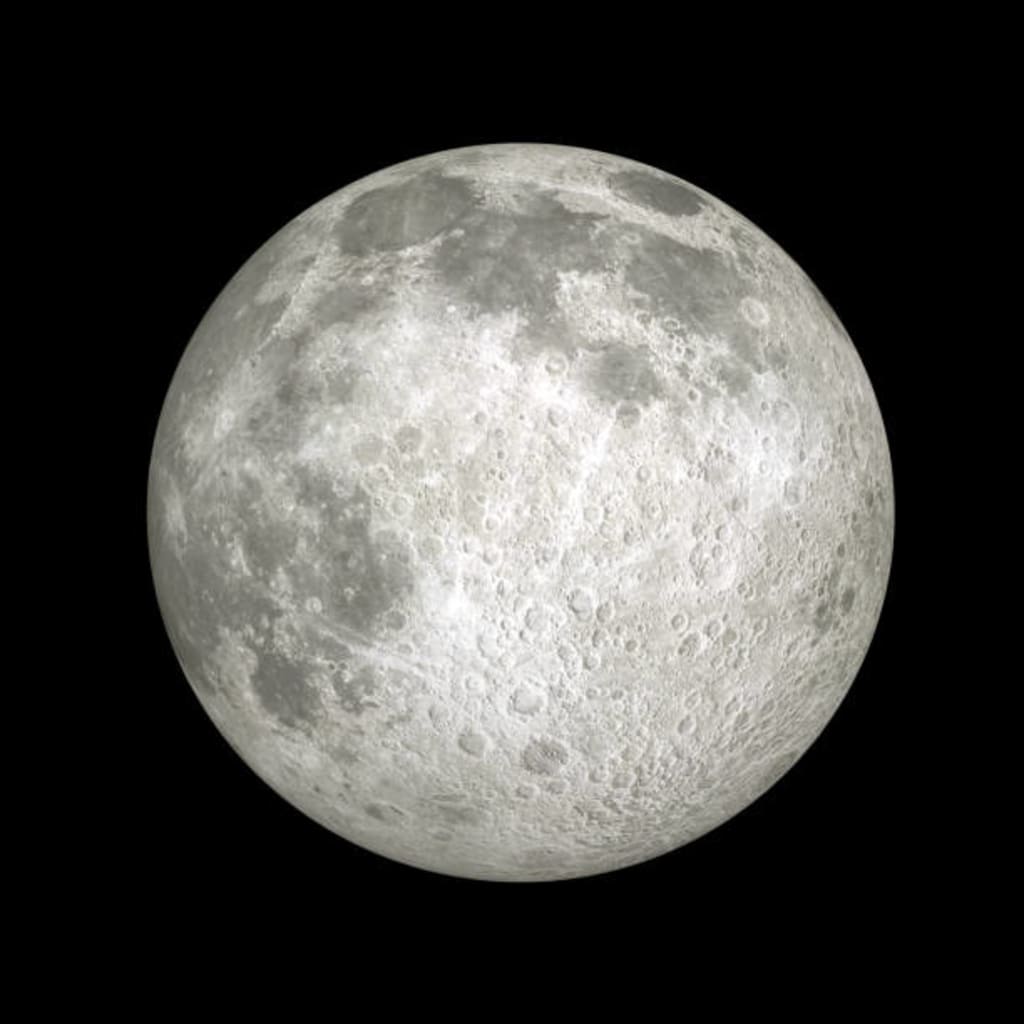
The sun seems three times larger and is 11 times brighter than it is from Earth. Mercury may revolve more slowly than Earth, but it still knows how to have a good time.
The length of a day on this planet is an astounding 59 Earth days, but fear not, a year on Mercury only lasts 88 Earth days, so increase or divide your age by 4 to feel like a centenarian.
This makes calculating your approximate Mercury age simple and painless. Also, don't forget about Mercury's peculiar orbit, which involves it spinning twice for each of its two cycles around the Sun.
what about more granular time zones based on the sun's position these are all important questions that need to be answered when it comes to a day on Mars it's not too different from a day on Earth we're talking 24 hours 39 minutes and 35 seconds a Martian year is 1.8 Earth years which means the Earth year 2000 happened in Martian year 1063. almost forgot the Martian year has 668 local days phew we sorted out the Martian calendar but Mars will need local time zones because of its elongated orbit the difference between summer and winter hours will be significant daylight saving time will be a thing on Mars and a year on Jupiter lasts almost 12 Earth .
Jupiter only lasts 9 hours and 55 minutes also since Jupiter doesn't have a solid surface the clouds move at different speeds so two free-floating atmospheric stations could experience different days hey if we lived on Jupiter we'd be in bad need of some cool app tracking all those things anyway if we ever terraform Jupiter's region most of the population will still live on Jupiter's moons because the atmosphere is just too wild and get this the moon's Revolution periods are connected so we can use the same day counting system for all of them.
so to make things easier we'll stick to using Earth years for our calculations and natural uranium years can be used for special occasions like reaching one Uranian year old as Uranus doesn't have a solid surface the rotation period is all over the place only science missions and helium mining companies are brave enough to venture into the atmosphere get this each moon has its own day and date system pretty confusing most people won't ever celebrate one neptunian year old one year on Neptune is like that's way too long for us humans to stick around but don't worry we'll still bust out the confetti and party hats for special occasions like when it's been two whole years since the first spaceship hit up Neptune as for the rest of the time we'll just use Earth years for all our business needs Pluto takes a whopping 240 Earth years to orbit the sun which is way too long to use as a year in our everyday lives a day on Pluto is almost like a week on Earth so to keep track of time we're going to divide that into six standard plutonian days three of light and three of dark that means a standard day on Pluto will last slightly more than one.
The sun seems three times larger and is 11 times brighter than it is from Earth. Mercury may revolve more slowly than Earth, but it still knows how to have a good time.
The length of a day on this planet is an astounding 59 Earth days, but fear not, a year on Mercury only lasts 88 Earth days, so increase or divide your age by 4 to feel like a centenarian.
This makes calculating your approximate Mercury age simple and painless. Also, don't forget about Mercury's peculiar orbit, which involves it spinning twice for each of its two cycles around the Sun.
About the Creator
Enjoyed the story? Support the Creator.
Subscribe for free to receive all their stories in your feed.
Comments
There are no comments for this story
Be the first to respond and start the conversation.