
Why Silicon Valley is here
Why Silicon Valley is here
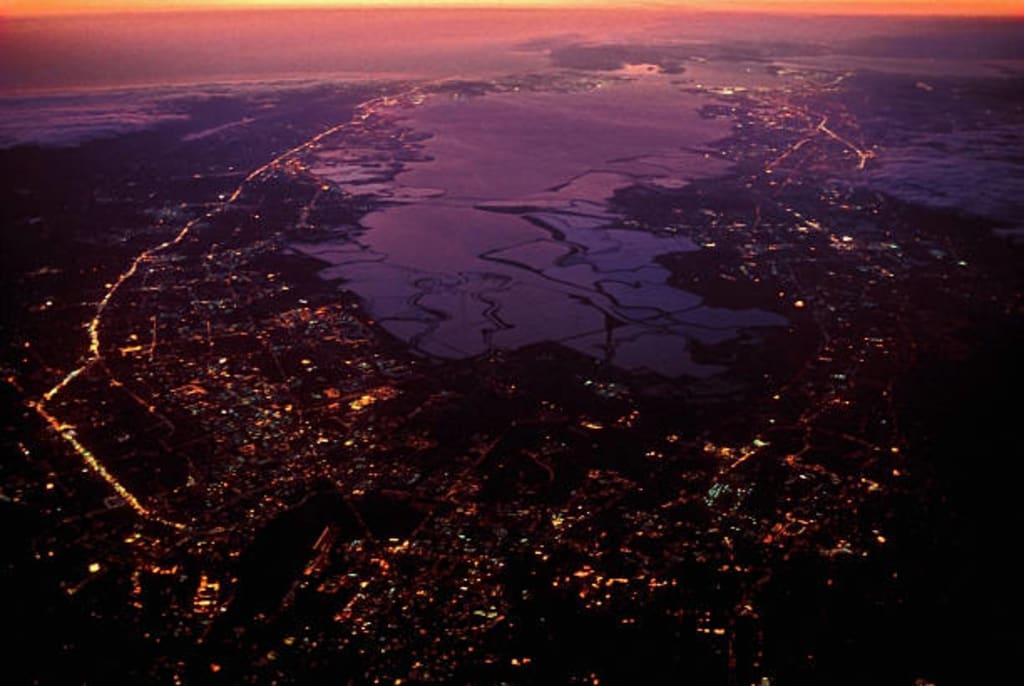
These are the blooms of prune trees. Located in a geologic trough, the Santa Clara Valley in California was once known as the Valley of Heart's Delight due to its farmland filled with flowers and fruit, including prunes.
The transformation of a region known for its fruit and flowers into an intellectual capital is an intriguing phenomenon. The Santa Clara Valley's journey from being a haven for agriculture to becoming a hub of intellectual activity can be attributed to various factors.
One key factor was the rise of the technology industry in the area. With the establishment of companies like Hewlett-Packard and Intel in the mid-20th century, the Santa Clara Valley, commonly known as Silicon Valley, became synonymous with innovation and technological advancements. The influx of scientists, engineers, and entrepreneurs seeking opportunities in this burgeoning industry catalyzed the intellectual transformation of the region.
Moreover, the presence of prestigious educational institutions in close proximity to Silicon Valley played a significant role in its evolution into an intellectual capital. Stanford University, renowned for its world-class research and academic programs, has been instrumental in fostering a culture of intellectual curiosity and innovation. The university's collaborations with industry leaders and its emphasis on interdisciplinary research have created a vibrant ecosystem for intellectual pursuits.
Another contributing factor to the region's intellectual growth is its diverse and highly skilled workforce. The influx of talented individuals from around the world, attracted by the opportunities in Silicon Valley, has led to a rich exchange of ideas and perspectives. This multicultural environment has fostered creativity and cross-pollination of knowledge, further propelling the region's intellectual capital.
Furthermore, the supportive infrastructure and resources available in Silicon Valley have played a crucial role in its transformation. Incubators, accelerators, and venture capital firms have provided the necessary support and funding for startups and entrepreneurs to pursue their innovative ideas. This ecosystem of support has attracted visionary individuals and provided them with the tools they need to turn their ideas into reality.
As venture capital grew in the 1960s, Sandhill Road became an obvious location due to its proximity to the Stanford epicenter. This road, located in the heart of Silicon Valley, quickly became a hub for innovation and investment. By 1971, journalist Don Hoefler, a former publicist for Fairchild Semiconductor, labeled the region Silicon Valley in a series of articles. This name was an allusion to the silicon chips that had taken over the valley and played a crucial role in the technology revolution.
Hoefler's articles captured the essence of the region's rapid growth and development. He described the pace of innovation as frantic, reflecting the intense energy and constant progress that characterized Silicon Valley at the time. The combination of venture capital, proximity to Stanford, and the emergence of silicon chips as a dominant technology created a unique environment that attracted entrepreneurs, engineers, and investors from around the world.
The establishment of Sandhill Road as a center for venture capital and the subsequent naming of the region as Silicon Valley had a profound impact on the technology industry. It solidified the area's reputation as a hotbed of innovation and entrepreneurship, and it attracted even more investment and talent to the region. The Silicon Valley ecosystem, with its network of venture capitalists, startups, and research institutions, continues to thrive today, shaping the future of technology and driving global advancements.
In conclusion, the growth of venture capital in the 1960s, combined with the proximity to Stanford and the emergence of silicon chips, led to the establishment of Sandhill Road as an epicenter for innovation and investment. Journalist Don Hoefler's articles in 1971, labeling the region as Silicon Valley, further solidified its status and attracted even more attention to the area. The pace of development was described as frantic, reflecting the relentless drive for progress and innovation that defines the region to this day.
About the Creator
Enjoyed the story? Support the Creator.
Subscribe for free to receive all their stories in your feed.
Comments
There are no comments for this story
Be the first to respond and start the conversation.