
Why Michigan Apple Trees Drop Their Leaves in July—And Why You Shouldn’t Cut Them Down
A practical guide to spotting apple scab early, understanding its spring cycle, and keeping backyard trees healthy.

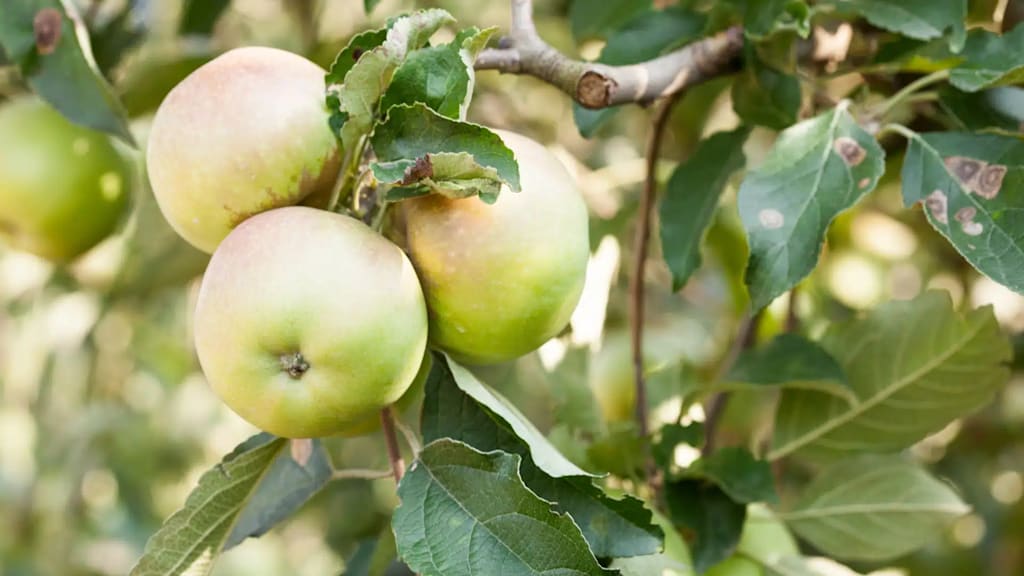
Every summer around late July or August, homeowners across Michigan look out at their yards and assume their apple or crabapple trees are dying.
The signs look alarming. Leaves turn yellow, develop dark spots, curl at the edges, and drop onto the grass weeks before autumn arrives. By late summer, a once-full canopy can look thin and ragged. Faced with a messy lawn and ruined fruit, many people consider cutting the tree down.
In most cases, reaching for a saw is a mistake. Premature leaf drop is rarely a death sentence. Usually, it is caused by apple scab—the most common fungal disease affecting apple and crabapple trees in Michigan.
While apple scab rarely kills a healthy, mature tree outright, it should not be ignored. Repeated infections drain energy reserves over time, leaving trees vulnerable to secondary pathogens and abiotic stressors like drought or poor soil. Understanding how this fungus operates makes it easier to protect your yard without panic.
How Apple Scab Starts in Spring
Apple scab is caused by a fungus called Venturia inaequalis. Related fungi infect other members of the rose family (Rosaceae), though this pathogen targets apples and crabapples (Malus species). Identified in the early 19th century, it likely originated in Central Asia before spreading worldwide via domestic apple trees.
In Michigan, infections start during cool, wet spring weather as new buds open and fresh leaves emerge. Prolonged rain and high humidity let fungal spores germinate, while wind and splashing rain carry them between trees. By the time yellow leaves litter your lawn in midsummer, the infection has been underway for months.
Spotting the Early Warning Signs
Although apple scab is notorious for ruining backyard fruit, the earliest clues appear on the foliage:
Leaves: Look for olive-green or dark brown spots on upper leaf surfaces that turn darker and velvety, paired with circular scabs underneath. Infected leaves often twist or curl before turning yellow and falling early.
Fruit: Shortly after leaf symptoms appear, tan-to-black corky lesions form on developing apples. Because hardened patches cannot expand as fruit grows, apples often crack or split.
Twigs: Elongated bark lesions occasionally appear on young twigs or branches, though this is uncommon.
Four Practical Ways to Manage It
Aggressive treatment is not always required. Mature, healthy trees often tolerate apple scab well on their own. You will likely lose much of that year’s crop, so many homeowners let a mild infection run its course. Removal only makes sense when a tree is in severe decline or has structural problems alongside the fungus.
When you want to preserve summer foliage and protect your harvest, four habits make the biggest difference:
Supportive care: Water trees during dry spells, protect trunks from mower damage, and keep two to four inches of mulch over the root zone.
Autumn cleanup: Apple scab overwinters on fallen leaves, meaning next spring’s outbreak sits beneath your tree each fall. Rake and dispose of fallen leaves on calm days so wind does not scatter spores.
Smart pruning: Regular pruning opens dense interior branches so sunlight and air dry wet foliage quickly after rain.
Preventative fungicides: Products containing copper, triflumizole, or propiconazole shield healthy foliage, but must be applied before spores germinate in spring. Once spots appear, fungicides cannot cure an active infection.
Choosing Resistant Varieties
If you are planting a new tree, genetics offer your best defense. Scab-resistant varieties suited for Michigan include Prairifire, Sugar Tyme, Spring Snow, and Adirondack crabapples, alongside Liberty and Enterprise eating apples. Older favorites like McIntosh, Cortland, Jonathan, and Hopa or Radiant crabapples are highly susceptible and demand consistent spring spraying.
Watching an apple tree shed leaves in midsummer is frustrating, yet it rarely signals the end. With fall cleanup, regular pruning, and smart variety choices, Michigan homeowners can keep their trees thriving for decades.
About the Creator
ORB Tree Service Marketing
ORB Tree Service Marketing provides SEO and local search strategies for the tree care and roofing industries. Follow us for insights on search optimization and lead generation for home services.
Enjoyed the story? Support the Creator.
Subscribe for free to receive all their stories in your feed.
Comments
There are no comments for this story
Be the first to respond and start the conversation.