
Why Metropolitan Cities in India Face Water Problems
Rapid Urban Growth, Poor Water Management, and Climate Change Are Creating a Serious Crisis

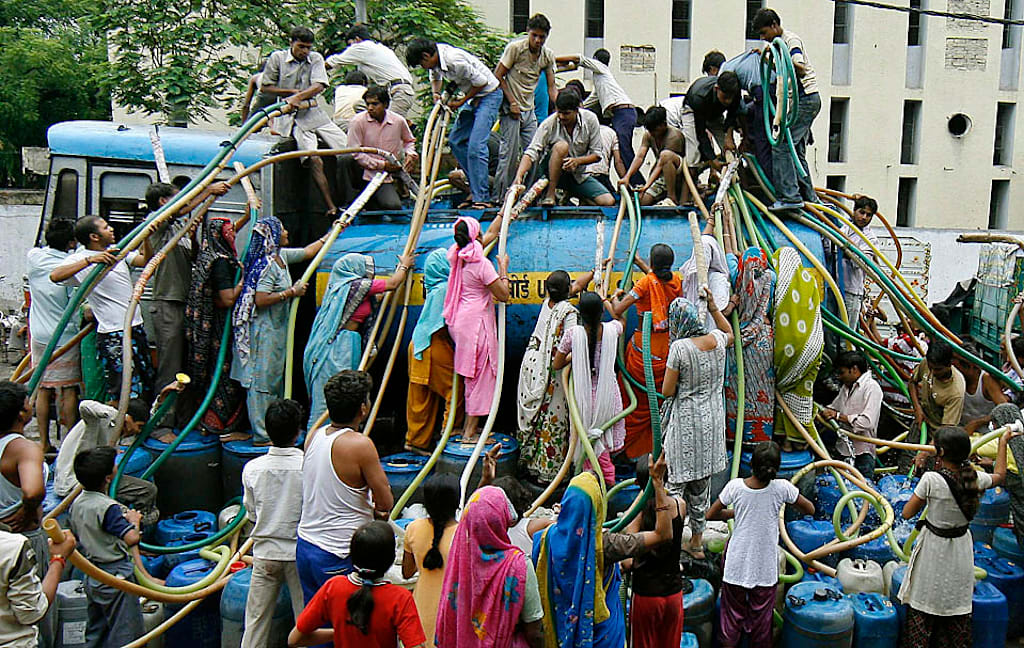
India’s metropolitan cities are growing faster than ever before. Cities like Delhi, Mumbai, Bengaluru, Chennai, and Hyderabad attract millions of people every year because of better jobs, education, healthcare, and business opportunities. But while these cities continue to expand, one major problem keeps getting worse — water shortage.
Many urban residents today experience water cuts, dry taps, expensive tanker water, and declining groundwater levels. In some cities, people even wait for hours just to fill a few buckets of water. Water scarcity is no longer a future concern in India’s metro cities; it has become part of daily life.
The problem is not caused by just one reason. It is the result of rapid urbanization, poor planning, climate change, pollution, and excessive use of groundwater. As populations rise and natural water resources shrink, India’s biggest cities are struggling to meet the growing demand for clean water.
Rapid Population Growth Is Increasing Water Demand
One of the biggest reasons behind water problems in metropolitan cities is the sudden rise in population. Every year, thousands of people move to metro cities searching for employment and better living conditions. As the population grows, the demand for drinking water, sanitation, industries, and household usage also increases.
However, the water infrastructure in many Indian cities was built decades ago when the population was much smaller. Today, the same pipelines, reservoirs, and treatment systems are expected to serve millions more people than they were designed for.
For example, areas in large cities often face low water pressure because supply systems cannot handle the growing number of households. In some places, local authorities supply water only for a few hours each day.
Excessive Groundwater Extraction Is Drying Cities
Groundwater has become the backup source for many metropolitan cities. Apartments, industries, hotels, and commercial buildings continuously extract groundwater through borewells to meet daily needs.
The problem is that groundwater is being used faster than nature can refill it. As a result, water tables are falling rapidly in urban areas. In several parts of India’s metro cities, borewells that once provided water at shallow depths now need to be drilled much deeper.
This excessive extraction creates long-term damage. In coastal cities, overuse of groundwater can even lead to saltwater entering freshwater sources, making the water unsuitable for drinking.
Cities that depend heavily on groundwater are becoming more vulnerable every year because underground reserves are not unlimited.
Poor Urban Planning Makes the Crisis Worse
Urban planning plays a major role in water management, but many Indian metropolitan areas have expanded without proper planning.
Natural lakes, ponds, and wetlands that once stored rainwater have been replaced by roads, malls, apartments, and commercial complexes. Concrete surfaces prevent rainwater from soaking into the ground, reducing groundwater recharge.
In older times, cities had natural drainage systems and water bodies that helped maintain balance during both dry seasons and heavy rainfall. Today, many of these systems have disappeared due to encroachment and construction activities.
This creates two major problems at the same time:
- Cities face flooding during monsoons.
- Cities face water shortages during summers.
The irony is that many metro cities receive heavy rainfall every year, but much of that water goes to waste because there are not enough systems to store or conserve it properly.
Water Pollution Is Reducing Available Clean Water
Another serious issue is water pollution. Rivers, lakes, and groundwater sources near metropolitan cities are heavily polluted due to untreated sewage, industrial waste, and garbage dumping.
When water sources become polluted, the amount of usable freshwater decreases. Cleaning polluted water requires expensive treatment systems, and not every city has enough infrastructure for that.
Many rivers flowing through urban areas have become unsafe because of continuous waste discharge. Lakes that once supplied water are now contaminated with chemicals and sewage.
Pollution affects both the quantity and quality of water available to people. Even when water is supplied, residents often depend on purifiers, bottled water, or tankers because they do not trust the quality of municipal water.
Climate Change Is Affecting Rainfall Patterns
Climate change has added another layer to the water crisis in Indian metropolitan cities. Rainfall patterns have become increasingly unpredictable over the past few years.
Some cities receive extremely heavy rainfall within a short period, leading to floods. Others experience long dry spells and delayed monsoons. Rising temperatures also increase water evaporation from lakes and reservoirs.
Heatwaves in urban areas increase water consumption as people use more water for cooling, drinking, and daily needs. This puts additional pressure on already stressed water systems.
Climate experts often warn that cities dependent on seasonal rainfall may face more severe shortages in the future if water conservation is not improved.
Leakage and Water Wastage Remain Major Problems
A large amount of water in Indian cities is lost before it even reaches households. Old pipelines, broken infrastructure, illegal connections, and poor maintenance result in significant leakage.
In some cities, authorities lose a major percentage of treated water due to damaged supply systems. This is often called “non-revenue water” because it is lost during distribution.
At the same time, water wastage at the household and commercial level continues without enough awareness. Excessive use of water for cleaning, gardening, construction, and luxury purposes increases pressure on urban supply systems.
Simple conservation practices like rainwater harvesting, recycling greywater, and fixing leaks are still not widely adopted in many residential areas.
Dependence on Water Tankers Is Increasing
Because municipal supply is often insufficient, many residents depend on private water tankers. This has become common in several metropolitan areas.
However, tanker dependency creates additional challenges:
- Water becomes expensive for middle-class and lower-income families.
- Groundwater extraction increases further because many tankers collect water from borewells.
- Quality of tanker water is not always reliable.
In some cities, water tankers have become a daily necessity during summer months, showing how serious the shortage has become.
What Can Be Done to Improve the Situation?
Although the challenges are serious, solutions are possible if cities focus on long-term water management.
Some important steps include:
- Protecting lakes, rivers, and wetlands from encroachment.
- Promoting rainwater harvesting in homes and commercial buildings.
- Recycling wastewater for non-drinking purposes.
- Repairing old pipelines to reduce leakage.
- Increasing public awareness about water conservation.
- Improving sewage treatment infrastructure.
- Controlling illegal groundwater extraction.
- Encouraging sustainable urban planning.
Several Indian cities have already started investing in smart water management projects, but large-scale implementation is still needed.
Conclusion
Water problems in India’s metropolitan cities are not caused by a lack of rainfall alone. The real issue lies in how water is managed, distributed, conserved, and protected.
Rapid population growth, uncontrolled urban expansion, pollution, groundwater depletion, and climate change have together created a serious challenge for urban India. If proper action is not taken now, water scarcity could become one of the biggest threats to city life in the coming years.
The future of India’s metro cities will depend not only on economic growth but also on sustainable water management. Saving water is no longer just an environmental concern, it has become necessary for the survival and stability of urban life itself.
About the Creator
Khushi Verma
Khushi Verma | Observing trends. Researching stories. Writing what people actually want to read.
Enjoyed the story? Support the Creator.
Subscribe for free to receive all their stories in your feed.
Comments
There are no comments for this story
Be the first to respond and start the conversation.