
Why Climate Disasters Are Becoming More Frequent Around the World
From heatwaves to floods, scientists warn that extreme weather events are becoming more common and more intense.
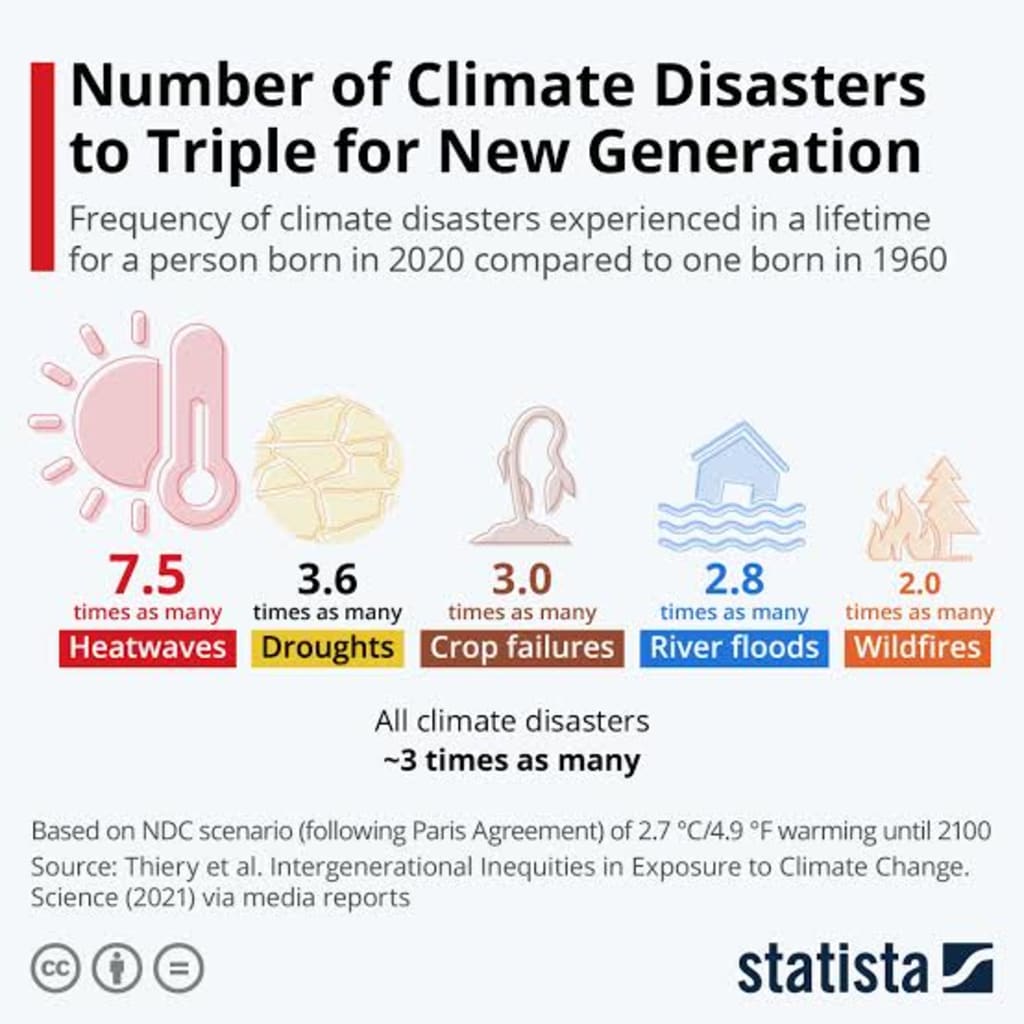
Climate disasters are becoming an increasingly common part of life for millions of people around the world. Heatwaves, floods, droughts, wildfires, hurricanes, and severe storms are occurring more frequently and often causing greater damage than in previous decades. Scientists, governments, and environmental organizations continue to study these events, with many experts pointing to climate change as a major factor behind the growing trend.
In recent years, countries across every continent have experienced extreme weather events. Europe has faced record-breaking heatwaves, North America has dealt with destructive wildfires and hurricanes, Asia has experienced severe flooding, and parts of Africa have struggled with prolonged drought conditions. These disasters affect not only local communities but also global economies and food supplies.
One of the primary reasons climate disasters are becoming more frequent is the increase in global temperatures. Human activities such as burning fossil fuels, deforestation, and industrial production release greenhouse gases into the atmosphere. These gases trap heat, causing the Earth's average temperature to rise.
Even a small increase in average temperature can have significant consequences. Warmer air can hold more moisture, leading to heavier rainfall and stronger storms. At the same time, higher temperatures increase evaporation, which can worsen drought conditions in regions already facing water shortages.
Heatwaves have become one of the most visible examples of climate-related change. Many countries are experiencing longer periods of extreme heat than they did decades ago. These conditions can threaten public health, increase energy demand, and place stress on agriculture and water resources.
Wildfires have also become a growing concern. Dry vegetation, prolonged heat, and changing weather patterns create conditions that allow fires to spread more easily. Large wildfires can destroy forests, damage property, and release significant amounts of carbon dioxide into the atmosphere.
Flooding is another major challenge. As global temperatures rise, heavy rainfall events have become more intense in many regions. Urban areas are particularly vulnerable because drainage systems may struggle to handle large volumes of water within a short period.
Coastal communities face additional risks due to rising sea levels. As oceans warm and ice sheets melt, sea levels gradually increase. Higher sea levels can make storm surges more destructive and increase the likelihood of coastal flooding during severe weather events.
Agriculture is among the sectors most affected by climate disasters. Farmers depend on stable weather conditions to grow crops and raise livestock. Extreme heat, drought, floods, and storms can damage harvests and reduce food production.
Food security has become an important global issue because climate-related disruptions can affect supply chains and increase prices. Countries that rely heavily on agricultural production may face significant economic challenges when extreme weather damages crops.
Scientists emphasize that climate change does not directly cause every individual disaster. However, it can increase the likelihood and severity of certain weather events. In many cases, climate change acts as a multiplier that makes existing risks more dangerous.
Population growth and urbanization also contribute to the impact of disasters. More people now live in cities, coastal regions, and areas vulnerable to flooding or extreme weather. As a result, disasters often affect larger populations than they might have in the past.
Economic losses from climate disasters continue to rise. Governments spend billions on emergency response, rebuilding infrastructure, and supporting affected communities. Businesses may face interruptions, while families often experience financial hardship after disasters.
Technology has improved disaster forecasting and emergency preparedness. Modern weather monitoring systems allow authorities to issue warnings earlier and coordinate responses more effectively. These advances have helped save lives, even as disasters become more severe.
Many governments are investing in climate adaptation strategies. These include strengthening flood defenses, improving water management, expanding green spaces, and developing infrastructure designed to withstand extreme weather conditions.
Environmental experts argue that reducing greenhouse gas emissions remains essential for limiting future climate risks. Renewable energy, energy efficiency, sustainable transportation, and forest conservation are among the solutions being promoted worldwide.
Public awareness has also grown significantly. More people now recognize the connection between environmental protection and long-term economic stability. Communities are increasingly taking steps to reduce risks and prepare for changing weather conditions.
The growing frequency of climate disasters serves as a reminder that environmental challenges affect everyone. While the exact impact varies by region, no country is completely immune to extreme weather events.
As scientific research continues, governments, businesses, and individuals face important decisions about how to respond. The choices made today will influence how societies manage climate risks in the future and how effectively they can protect people, economies, and natural ecosystems.
The evidence suggests that climate disasters are likely to remain a major global challenge. Understanding their causes and preparing for their effects will be essential as the world adapts to a changing climate.
About the Creator
Enjoyed the story? Support the Creator.
Subscribe for free to receive all their stories in your feed.
Comments
There are no comments for this story
Be the first to respond and start the conversation.