
Who Really Controls the Jungle and Forests
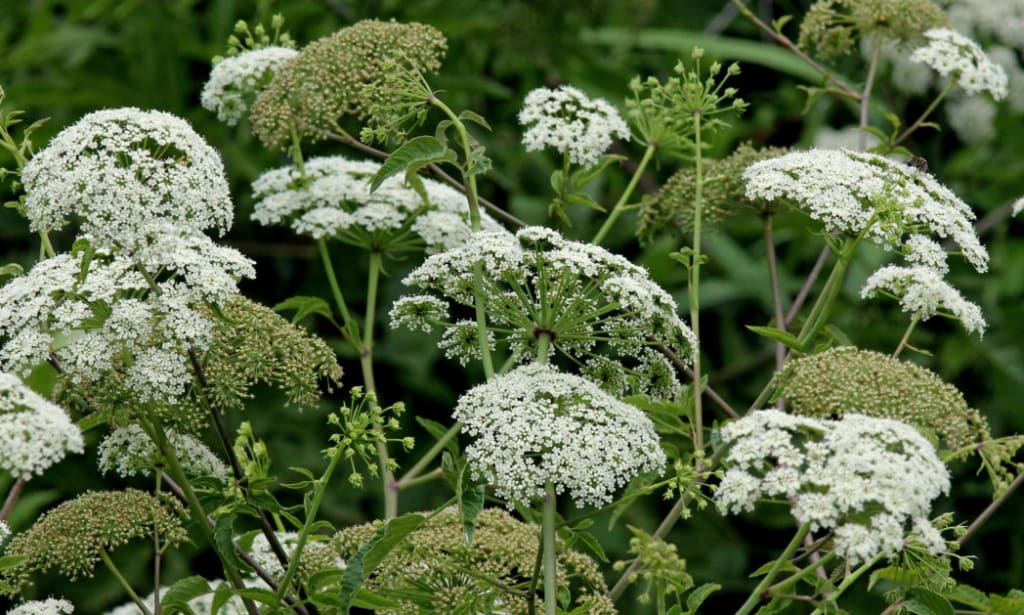
If You See This Plant, DON'T Ever Touch It
In nature, it's challenging to predict outcomes with certainty, as they depend on various factors such as the specific species involved, their behaviors, and the environment. However, I can provide some general observations:
Grizzly vs. Ripe Berry: The grizzly would likely win, as it is a predator and the berry is not an entity capable of defense.
Angry Tiger vs. Beautiful Flower: Again, the tiger would prevail. Tigers are powerful predators, and a flower is not equipped for any form of defense.
Huge Python vs. Green Bush: The python would likely have the upper hand, as it is a predator with the ability to subdue prey, whereas a green bush doesn't have defensive capabilities.
It's important to note that comparing animals and plants in this way is somewhat arbitrary and doesn't reflect the true interactions in ecosystems. Each organism plays a specific role in its environment, and survival strategies vary greatly. The concept of "controlling the jungle and forests" is more about the balance and interdependence of different species rather than direct confrontations.
It sounds like you're describing water hemlock, which is indeed one of the most toxic plants in North America. Water hemlock is known for its highly poisonous properties, particularly in the roots. The plant contains cicutoxin, a potent toxin that can cause seizures, respiratory failure, and death if ingested.
Water hemlock is often found in wet, marshy areas, along the edges of rivers, streams, and in meadows. Despite its seemingly innocuous appearance, it's crucial to avoid handling or consuming any part of this plant, especially the roots. Ingesting even a small amount can be fatal.
It's important for people who spend time in areas where water hemlock grows to be able to identify it and avoid contact. If you suspect poisoning from water hemlock, seek medical attention immediately.
Water hemlock is indeed a highly toxic plant that contains cicutoxin, a potent toxin that affects the nervous system. Ingesting even a small amount of water hemlock can lead to severe poisoning and, in some cases, be fatal. The symptoms can manifest rapidly, within 15-60 minutes after ingestion, and may include nausea, vomiting, abdominal pain, seizures, respiratory failure, and death.
It's crucial to emphasize that despite its toxic nature, some historical uses of water hemlock have been documented in traditional medicine. However, the therapeutic applications are highly risky due to the plant's toxicity, and modern medicine strongly discourages its use for any medicinal purpose.
The confusion with other edible plants like artichoke, celery, and anise is concerning because misidentification can lead to accidental ingestion. This highlights the importance of being extremely cautious when foraging for wild plants and relying on accurate identification techniques.
In general, it is strongly advised not to use water hemlock for any medicinal purposes, as the risks far outweigh any potential benefits. If someone suspects ingestion of water hemlock or experiences symptoms of poisoning, immediate medical attention should be sought.
It seems like you're describing the harmful effects of White Snakeroot (Ageratina altissima) on livestock. White Snakeroot is indeed known to contain a toxin called tremetol, which is released when the plant is consumed by livestock such as cows. Tremetol is a fat-soluble toxin that can be transmitted to humans through the consumption of contaminated milk or meat.
Cattle that graze on pastures where White Snakeroot is present can ingest the toxin, leading to a condition known as "milk sickness" or "tremetol poisoning." This can cause symptoms in livestock such as weakness, tremors, difficulty breathing, and in severe cases, death. When humans consume products like milk or meat from affected animals, they can also experience similar symptoms.
Historically, milk sickness was responsible for several human fatalities in areas where White Snakeroot was prevalent. The most well-known case is the milk sickness that affected the family of Abraham Lincoln's mother, Nancy Hanks Lincoln.
In modern farms, efforts are made to manage the presence of toxic plants like White Snakeroot. This may involve practices such as monitoring pastures, removing the plants, or providing alternative feed sources to prevent livestock from grazing on contaminated areas. Additionally, education and awareness programs help farmers recognize and mitigate the risks associated with toxic plants in their livestock's environment.
About the Creator
Enjoyed the story? Support the Creator.
Subscribe for free to receive all their stories in your feed.
Comments