
WHEN CLOWN FISHES MEET SEA ANEMONE
CLOWN FISHES AND SEA ANEMONES
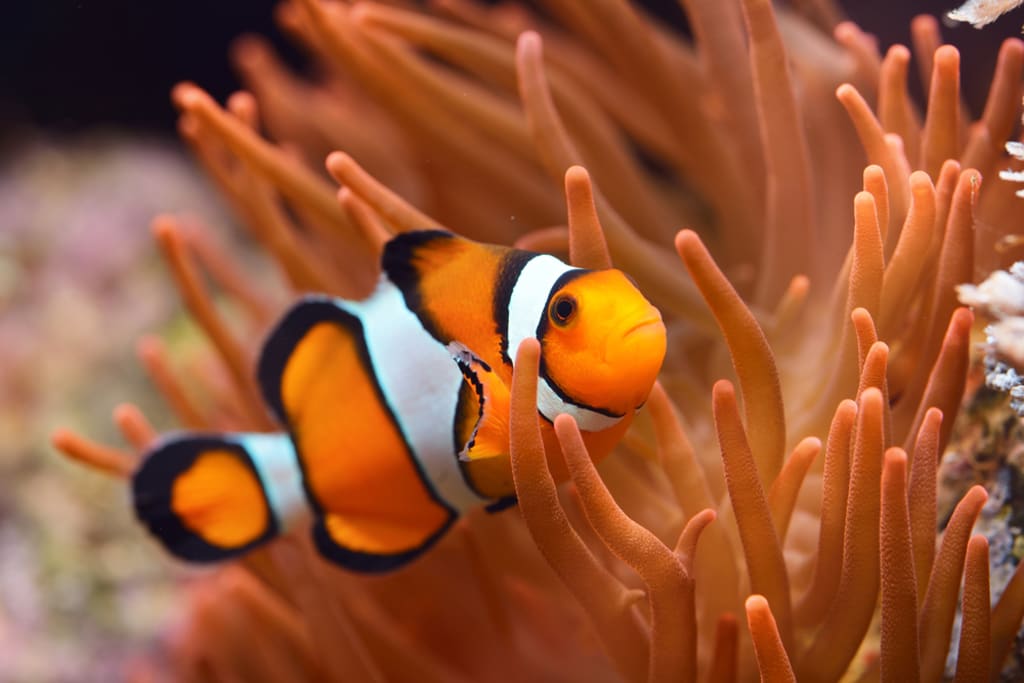
In the ocean, there exists a diverse array of over 1,000 sea anemone species. However, it's crucial not to be misled by their seemingly innocent name. These sea anemones, which share their name with delicate flowers, are in fact carnivorous predators. With just the gentlest touch, they employ a venomous neurotoxin to immobilize their prey, making them formidable hunters. Their tentacles then ensnare the helpless fish, drawing it into a central mouth where it is digested whole. While they may share their name with clownfish, there is nothing amusing about the survival strategy of these aquatic creatures.
In a symbiotic relationship, two organisms coexist harmoniously, benefiting from each other's presence. However, it's worth noting that in our aquariums, these creatures aren't mutually dependent for survival. Both clownfish and sea anemones can lead healthy lives independently. Many of the clownfish we encounter in tanks these days are bred in captivity and may never encounter a sea anemone in their entire lives. This separateness is practical because clownfish are often recommended for beginners, while anemones require more specialized care, making them better suited for experienced aquarists.
Now, let's explore the mechanics of this unique partnership. The sea anemone provides the clownfish with a fortress of stinging tentacles, offering protection against potential predators.The vibrant and eye-catching appearance of clownfish naturally attracts other fish seeking a meal. However, these unsuspecting would-be predators fall victim to the anemones, which swiftly capture and consume them, thus demonstrating the intricate web of life and survival in the underwater world. This natural shield serves as an ideal location for clownfish to rear their offspring while also providing a source of sustenance through leftover scraps and damaged tentacles, which the diligent clownfish assists in removing. In return for this protection, clownfish vigorously defend their anemone hosts from their own predators, which explains their sometimes feisty demeanor. Moreover, they contribute to their host's well-being by providing nutrients through the waste they excrete.
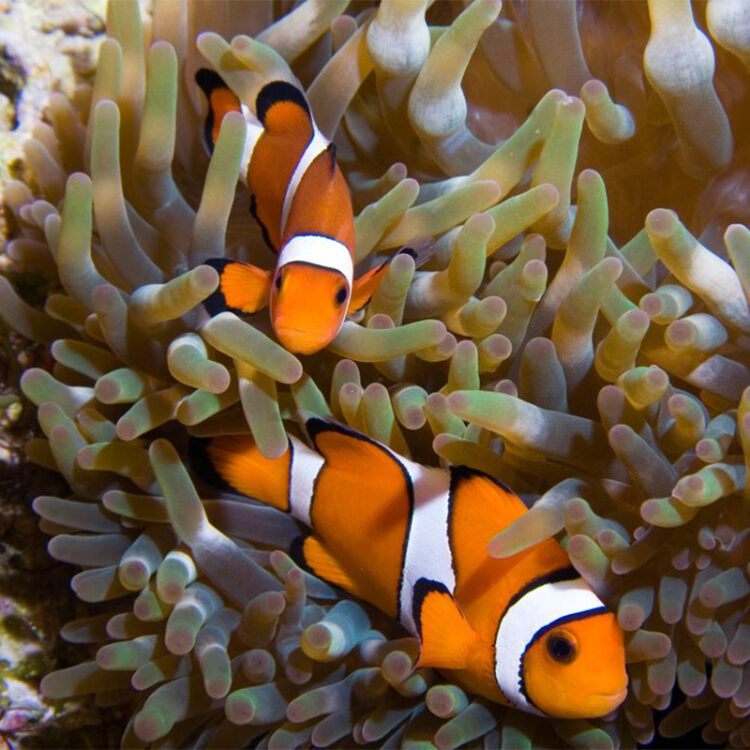
What's truly intriguing about this alliance is that it hasn't always been a smooth journey. If a clownfish were to swim into an unfamiliar sea anemone, it would likely face a grim fate of being attacked and consumed. Gaining immunity to anemone stings is a gradual and somewhat painful process. The clownfish exposes itself to the anemone's mucus and, over time, starts to mimic its chemical structure, essentially adopting a chemical disguise.
Now, here's a mind-bending revelation: clownfish don't host sea anemones; it's the other way around. In this relationship, the sea anemone hosts the clownfish. The reason behind some difficulties in establishing this bond lies in attempting to pair incompatible types. Out of over a hundred identified sea anemone species, only ten are known to host clownfish. These ten are quite selective in accepting residents, as only specific clownfish species match specific sea anemone species. A compatibility table can be found online to help hobbyists identify pairs with the highest success rates. Occasionally, clownfish may seek out different types of hosts, such as corals like zoanthids, euphyllia, or even unsuspecting zebra morays.
In conclusion, the relationship between clownfish and sea anemones is a testament to the incredible adaptability and interdependence found in the natural world. This mutualistic partnership, often regarded as one of the most remarkable examples of cooperation in the marine realm, showcases how two seemingly disparate species can coexist to their mutual benefit.
Clownfish, armed with their unique protective mucus, not only find refuge within the stinging embrace of sea anemones but also serve as dedicated caretakers, helping to keep their host's tentacles clean and defending them from potential threats. In return, clownfish gain safety, shelter, and a consistent food source, all while contributing to the health of their hosts.
This extraordinary alliance underscores the intricate balance of life in our oceans, where survival often hinges on unexpected partnerships and finely tuned adaptations. It serves as a poignant reminder of the beauty and complexity of the natural world, where even the most unlikely unions can thrive, offering valuable insights into the resilience and interconnectedness of life on Earth.
About the Creator
Enjoyed the story? Support the Creator.
Subscribe for free to receive all their stories in your feed.
Comments
There are no comments for this story
Be the first to respond and start the conversation.