
What Your Trees Need Before Winter Arrives in Northern Virginia
Raking the last pile of leaves feels like the finish line for yard work, yet winter is when your trees need attention most.

Hauling that final tarp of fallen leaves to the curb brings relief. For most homeowners, it marks the unofficial end of outdoor chores until spring.
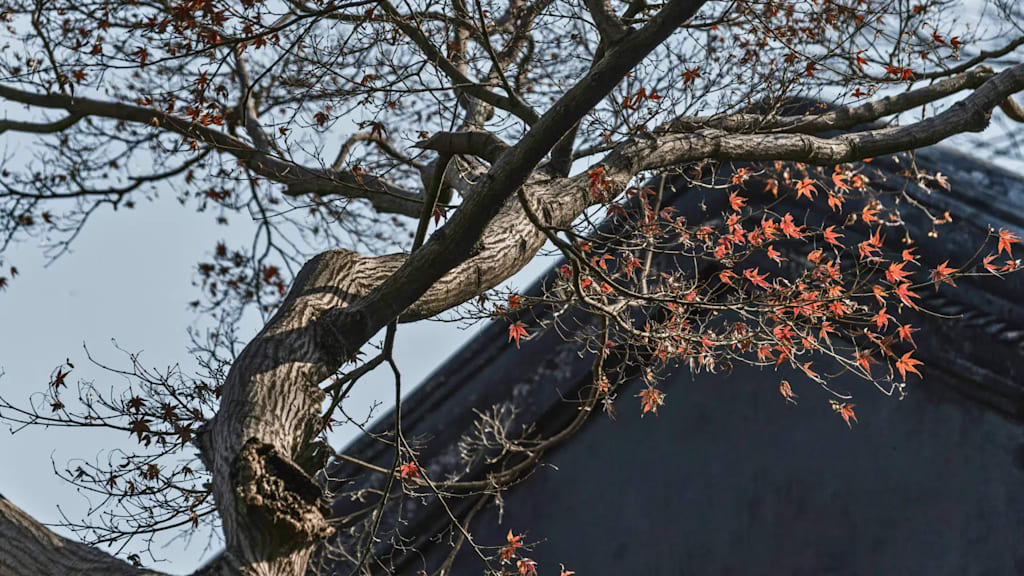
Trees, however, run on a different calendar. Once leaves drop, you get a clear view of every limb, trunk flare, and branch fork in your yard. Checking your trees before Northern Virginia’s ice storms, gusty winds, and freeze-thaw swings arrive prevents broken limbs, winter burn, and spring pest outbreaks.
How Trees Weather Dormancy
Trees do not simply shut down when cold weather arrives. Shortening autumn days trigger dormancy, an active survival state that slows growth, conserves energy, and shields tender tissues from freezing temperatures.
Deciduous trees shed leaves, store nutrients, and seal next spring’s growth inside dormant buds. Underground, roots keep growing until soil temperatures drop below forty degrees, making fall valuable for root care. Evergreens never fully clock out either. Their growth slows, yet they lose moisture through foliage all winter while frozen soil blocks water uptake.
Simple Tasks Homeowners Can Handle
You do not need heavy gear to prevent most winter tree damage. A careful walk around your property with basic supplies covers plenty of ground.
Inspect bare canopies for weak points. Look up for dead or hanging limbs, trunk cracks, and branches over your roof or driveway. Watch for tight, V-shaped forks where two stems trap bark between them. Invasive Callery pears, including the common Bradford pear, are notorious for splitting at these crowded unions under heavy ice.
Water deeply until the ground freezes. Soak newly planted trees and evergreens during dry autumn spells. Because evergreens lose moisture all winter, water them during midwinter thaws whenever soil softens.
Protect bark and foliage from harsh weather. Wrap young, thin-barked trunks in fall so winter sun and freezing nights do not split bark, then remove wrap in spring. Place burlap screens on the windward side of boxwoods and hollies to prevent winter burn, and install trunk guards to stop deer from browsing buds or rubbing antlers on young trees.
Eliminate overwintering pests early. Scrape gray, mud-like spotted lanternfly egg masses off bark and outdoor furniture, pressing firmly to crush them. Scrape fuzzy tan spongy moth egg masses into a sealed bag before mid-March hatching, and clip brown bagworm bags off evergreens so eggs cannot survive in mulch.
Manage snow, ice, and salt carefully. Gently sweep heavy wet snow upward off reachable shrubs with a broom, but leave ice-coated branches alone—frozen wood is brittle and snaps easily if knocked. Near tree roots, swap rock salt for sand or salt-free traction products so runoff does not scorch soil.
When to Call an ISA Certified Arborist
Work involving heights, heavy rigging, or species-specific timing belongs with an ISA Certified Arborist.
A winter evaluation lets a specialist spot hidden structural flaws and install cables or braces to stabilize heavy limbs. Pruning timing also depends on species. Elms, maples, and birches handle dormant pruning well, whereas crape myrtles should wait until late winter or early spring. Spring-flowering trees like dogwoods, redbuds, cherries, and magnolias already hold next year’s flower buds, so winter cuts sacrifice spring blooms—prune them right after flowering.
Arborists can also apply dormant oil on mild days above forty degrees to smother overwintering mites, scale insects, and aphid eggs, test soil before fertilizing, safely remove compromised trees while branches are bare, and excavate piled mulch away from buried root collars so roots can breathe.
A Quick Seasonal Rhythm
Divide work across three windows: water, wrap trunks, and book assessments in late fall; brush snow, water during thaws, and scout egg masses in midwinter; and complete pruning, dormant oil treatments, and wrap removal before buds break.
A few observant walks after leaf drop keep your trees resilient all winter and ready for strong spring growth.
About the Creator
ORB Tree Service Marketing
ORB Tree Service Marketing provides SEO and local search strategies for the tree care and roofing industries. Follow us for insights on search optimization and lead generation for home services.
Enjoyed the story? Support the Creator.
Subscribe for free to receive all their stories in your feed.
Comments (1)
I’d always thought of leaf-raking as the end of yard work, so the idea that trees are still actively preparing for winter really reframed the season for me. The tip about inspecting bare canopies for V-shaped forks and branches over the roof is one I’ll use on my next walk around the yard. I also hadn’t realized evergreens keep losing moisture all winter — watering during thaws is a simple step I’d never have thought to do.