
What's The Most Dangerous Place on Earth?
Unveiling Earth's Perilous Hotspots and Deadly Secrets
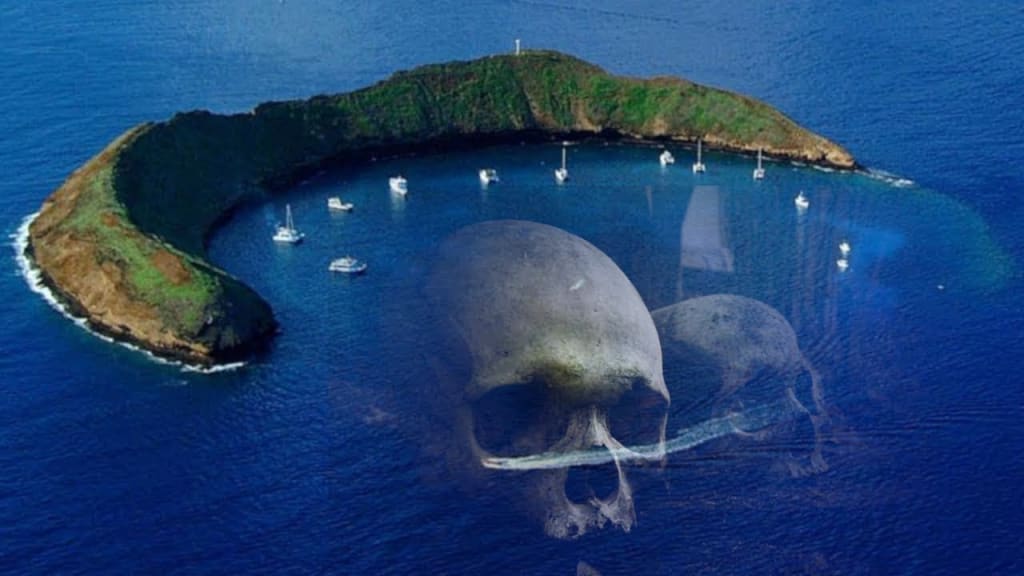
Did you know that 93% of all the humans who have ever lived are no longer alive? It's a staggering fact, and it makes you wonder about the dangerous places on Earth. Let's explore some of them together.
When it comes to danger, extreme temperatures can be deadly. In cold environments, the human body struggles to maintain a high enough temperature to survive without proper clothing. Even in comfortable conditions, nearly half of your daily caloric intake goes towards regulating your body temperature. For example, if a person were naked in a 0-degree Celsius environment, they would succumb to hypothermia in about 20 minutes.
Another critical factor for survival is oxygen. The summit of Mount Everest presents an incredibly challenging environment due to its thin air. At the top, there is only one-third of the breathable oxygen available at sea level. Climbers can endure the conditions if they acclimate for months, but if teleported directly to the summit, one would likely die within 2-3 minutes due to the lack of oxygen.
Going to the depths, the Mariana Trench is a perilous place. Submerged under nearly 7 miles of water, the pressure exceeds 15,000 pounds per square inch, leading to a swift and fatal collapse of the lungs and unconsciousness within 15 seconds. Death would follow in under 90 seconds, similar to someone walking into outer space without a spacesuit.
But what about the most spectacular way to meet one's demise? Falling into a molten lake of lava would result in a dramatic end. The intense heat would cause the body's water to turn explosively into steam, creating a fiery display.
When measuring danger in terms of total fatalities, we need to look at microscopic threats. The influenza outbreak in 1918 claimed nearly 100 million lives, and the bubonic plague in Europe between 1347 and 1353 led to the death of a third of the population. Though we now have antibiotics to combat such diseases, the plague still exists, with a few cases reported annually in the United States.
One of the most dangerous microscopic threats is plasmodium, which causes Malaria. Throughout history, it's estimated that half of all human deaths can be attributed to this tiny organism transmitted by mosquito bites.
Switching to danger caused by human activities, places like La Oroya in Peru, with high pollution due to mining, and Lake Karachay in Russia, contaminated with radioactive pollutants, pose significant risks to human health.
Discussing murder rates, Juarez in Mexico and San Pedro Sula in Honduras have been ranked among the most dangerous cities with alarming homicide rates.
Lastly, the Chernobyl accident in 1986 rendered parts of the exclusion zone incredibly lethal for humans. However, after our departure, wildlife began to flourish, offering a safe haven for endangered species in this unlikely sanctuary.
These are just a few examples of the most dangerous places on Earth, whether due to natural elements, microscopic threats, human activities, or even the oxymoronic effects of our own actions. Remember, there's so much to learn, and staying informed can help us better understand the world we live in. Thanks for reading!
About the Creator
Enjoyed the story? Support the Creator.
Subscribe for free to receive all their stories in your feed.
Comments
There are no comments for this story
Be the first to respond and start the conversation.