
What No One Tells You About the Everest High Pass Trek
In this guide, we reveal the lesser-known truths about the Everest High Pass Trek that every trekker should know before lacing up their boots.

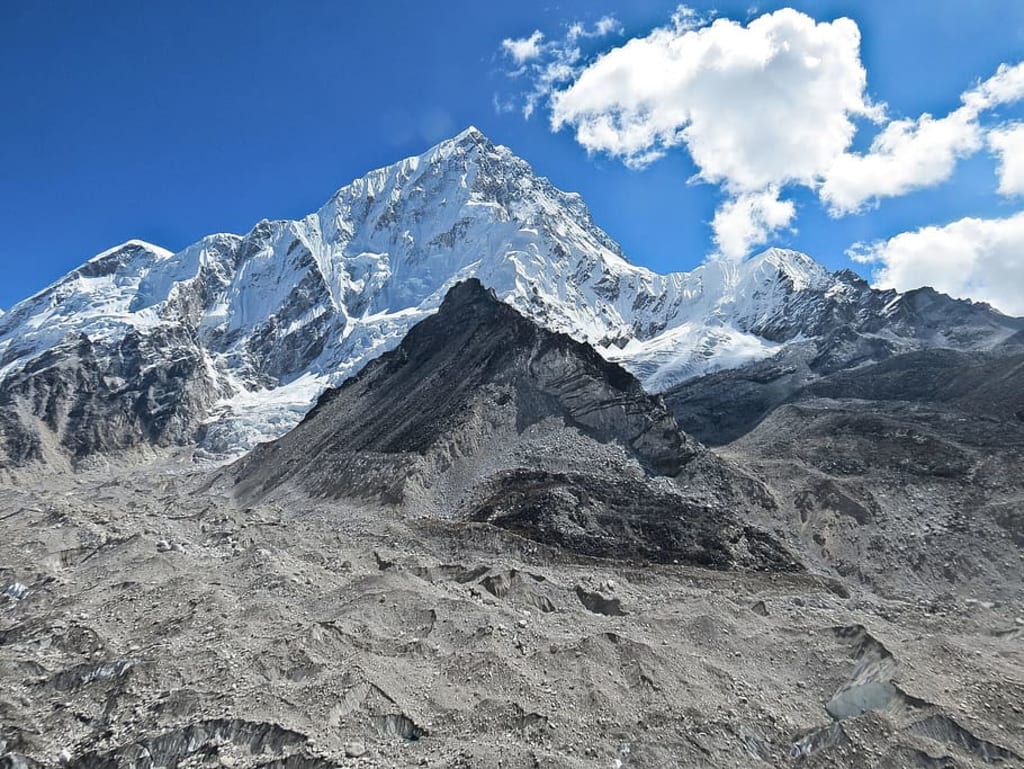
The Everest High Pass Trek is often praised as one of the most exhilarating and comprehensive treks in the Himalayas. With jaw-dropping mountain vistas, immersive cultural encounters, and the thrill of crossing three major mountain passes—Kongma La, Cho La, and Renjo La—this trek is a true adventure. However, there are crucial aspects of the Everest High Pass Trek that are rarely discussed, and being aware of them can make the difference between a transformative journey and an overwhelming ordeal.
1. The Trek is More Physically Demanding Than Most Expect
Crossing three high-altitude passes over 5,000 meters is not just a scenic walk. It is a serious physical challenge that demands excellent cardiovascular endurance, strength, and stamina. Most itineraries cover distances of 10 to 15 kilometers per day, but the altitude and rugged terrain make the trekking time significantly longer and more exhausting.
Many trekkers underestimate how steep and relentless the ascents and descents can be. Each pass involves hours of climbing on rocky trails and often includes navigating through snow and ice. Proper physical preparation, including high-altitude training and cardiovascular workouts, is essential before attempting this trek.
2. Acclimatization Is Not Optional
One of the most overlooked aspects of the Everest High Pass Trek is the risk of altitude sickness. Despite its popularity, the route includes some of the highest trekking trails in the world. Altitude sickness can strike anyone, regardless of age or fitness level, and can be fatal if not managed properly.
Trekkers need to schedule acclimatization days carefully and listen to their bodies. Spending extra nights at places like Namche Bazaar, Dingboche, or Gokyo not only aids acclimatization but also allows for better recovery. Ignoring early symptoms such as headache, dizziness, or nausea can quickly escalate into a medical emergency.
3. Weather Conditions Can Be Unpredictable
While the best times to trek—pre-monsoon (March to May) and post-monsoon (late September to November)—generally offer clear skies, the Himalayas are known for their unpredictable weather. Snowfall can occur even in peak season, particularly when crossing passes like Cho La or Kongma La.
Whiteouts, high winds, and freezing temperatures can delay progress or force itinerary changes. Always build flexibility into your schedule and ensure you are carrying adequate cold-weather gear. Checking local weather forecasts and speaking with guides or local lodge owners can provide real-time insights into trail conditions.
4. The Trails Are Less Crowded, But Also Less Serviced
Compared to the classic Everest Base Camp route, the high passes trail is far less crowded. This solitude is one of the trek’s biggest draws. However, fewer trekkers also mean fewer teahouses, fewer medical facilities, and reduced access to supplies.
In places like the Cho La Pass and between Lumde and Thame, teahouses may be limited to only one or two lodges. During the off-season, some of them may even be closed. It is essential to carry adequate food, water, and emergency supplies, especially when tackling remote sections of the trail.
5. Technical Challenges Are Not Just for Climbers
While the Everest High Pass Trek does not require technical climbing skills, some sections can be surprisingly technical, especially during or after snowfall. For example, the descent from Cho La Pass can be icy and requires careful footing. Microspikes or crampons are often recommended, even if you do not plan on using them.
Additionally, crossing glaciers and navigating scree-covered slopes can be mentally and physically taxing. Having a knowledgeable guide with route-finding experience can significantly increase your safety and confidence on the trail.
6. You May Experience Trekker Fatigue
Unlike shorter treks, the Everest High Pass Trek usually lasts 18 to 22 days. The continuous exposure to high altitude, basic food, limited showers, and chilly nights can take a toll on even the most enthusiastic trekkers.
Trekker fatigue is real and can impact your energy, mood, and enjoyment. To combat this, plan regular rest days, prioritize sleep, eat well, and stay hydrated. Having a mental strategy to cope with the physical and psychological fatigue can help you stay motivated and finish strong.
7. Connectivity and Communication Are Limited
Wi-Fi is available in some teahouses for a fee, but connections are unreliable and slow, especially in remote sections. As you traverse the three passes, expect long stretches without mobile reception or internet access.
Consider this a digital detox and inform friends and family beforehand that you may be off the grid for several days. If you require consistent communication, renting a satellite phone or carrying a GPS locator may be worthwhile.
8. The Gokyo Valley Is a Hidden Gem
While most trekkers are drawn to the Everest Base Camp, the Gokyo Valley, accessible via Renjo La or Cho La, is often the unexpected highlight of the journey. The shimmering turquoise lakes of Gokyo, dramatic views from Gokyo Ri, and relatively quiet trails offer a refreshing contrast to the busier Khumbu route.
Spending an extra day or two in Gokyo allows you to explore the fifth lake and nearby ridges that offer unforgettable panoramic views of Everest, Lhotse, Makalu, and Cho Oyu. For many, this serene alpine valley is the spiritual heart of the trek.
9. Hiring a Guide and Porter Is Invaluable
While independent trekking is allowed, the complexity of the Everest High Pass route makes hiring a guide and porter highly advisable. A certified guide can help with navigation, monitor for altitude sickness, and provide critical support in case of emergencies. Porters ease the physical burden, allowing you to enjoy the trek without being weighed down by a heavy backpack.
Moreover, supporting local guides and porters contributes to the community and promotes sustainable tourism. If you're trekking with a registered agency, ensure they follow ethical hiring practices and provide adequate gear and insurance to their staff.
10. It Is a Journey That Changes You
What no one tells you about the Everest High Pass Trek is how deeply it can affect you. The sheer scale of the mountains, the quiet of remote trails, the resilience of Sherpa communities, and the mental and physical endurance required to complete the circuit often lead to profound personal growth.
This trek is not just about landscapes or achievements—it is about discovering what you are capable of and gaining perspective in the heart of the Himalayas.
Final Thoughts
The Everest High Pass Trek is one of the most rewarding high-altitude adventures in the world. But it is also one of the most challenging. Understanding the hidden aspects of the trek—from physical demands to mental endurance—can help you prepare thoroughly and enjoy the journey to its fullest.
If you are planning your next Himalayan adventure and want to experience the wild, untamed beauty of Everest beyond the usual trails, the High Pass route may be exactly what you are looking for.
About the Creator
Bitisha Sherpa
I’m a travel guide at Nepal Social Treks, a trusted tour company. A passionate traveler, I love helping people explore nature, culture, and adventure. I specialize in peak climbing in Nepal, guiding you to reach new heights safely.
Enjoyed the story? Support the Creator.
Subscribe for free to receive all their stories in your feed.
Comments
There are no comments for this story
Be the first to respond and start the conversation.