
What If We Dumped Our Trash into Volcanoes?
Spoiler: Not a good idea

Volcanoes, despite their formidable nature, have garnered interest as potential solutions for waste disposal due to their intense heat and destructive power. However, the feasibility of utilizing volcanoes for this purpose is riddled with challenges and potential risks.
The United States alone generates a staggering 254 million tons of waste annually. While the notion of disposing of this waste within volcanoes might seem appealing, the practical implementation is far from straightforward. While volcanoes exhibit the appearance of nature's incinerators, their inherent volatility and remote locations render them unsuitable candidates. The question arises: could the effort to overcome these hurdles outweigh the benefits, or would such an endeavor inflict more harm upon our environment?
The primary obstacle lies in identifying a suitable, active volcano capable of effectively neutralizing waste. The global count of potentially active volcanoes stands at a mere 1,500, many of which are situated far from human settlements due to safety concerns. Thus, the transportation of waste to such remote volcanic sites becomes not only logistically complex but also economically burdensome. Even upon reaching a viable volcano, ensuring it meets the criteria of a shield volcano, characterized by gradual lava emission, proves challenging. These shield volcanoes are relatively scarce, with their more explosive counterparts, stratovolcanoes, being more prevalent. The latter, prone to hazardous eruptions caused by pressure buildup, are clearly unsuitable for waste disposal purposes.
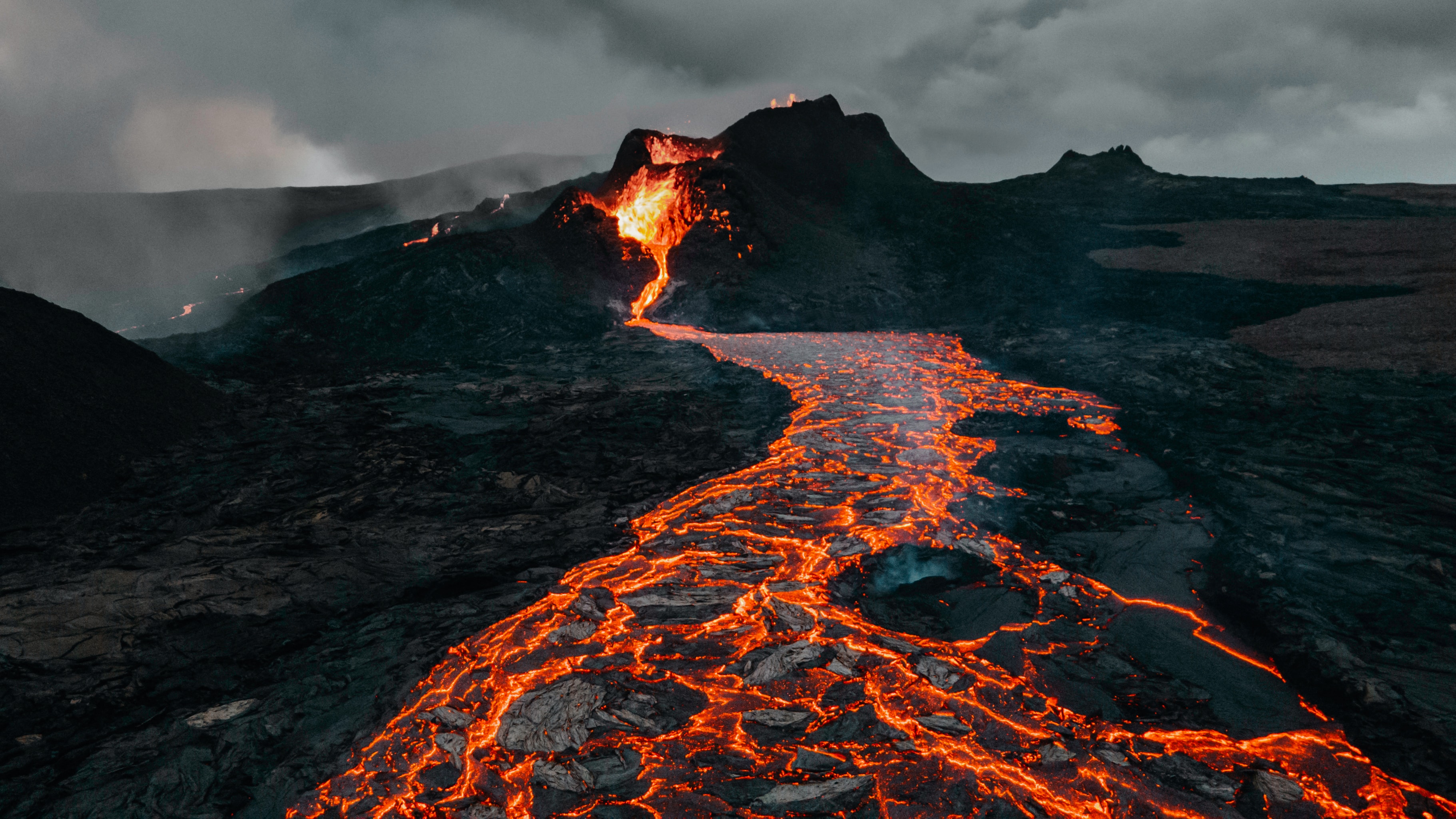
Assuming a fortuitous discovery of an appropriate shield volcano, the feasibility of depositing waste within its depths warrants consideration. However, a glimpse into the hazardous environment of a volcano's vent quickly dampens enthusiasm. The perilous mix of toxic gases, lava projectiles, and other dangers becomes apparent. Notably, the insertion of waste materials can lead to catastrophic outcomes, as evidenced by a 2002 experiment involving a 30 kg bag of trash in an Ethiopian volcano. Such volatile actions disrupt the delicate equilibrium of lava lakes, provoking a chain reaction of explosions involving pressurized steam and acidic substances.
The disposal of waste into volcanoes is the potential impact on local ecosystems, particularly in volcanic regions that are often characterized by unique and fragile biodiversity. Many volcanic areas contain geothermal springs and water bodies that are interconnected with the surrounding environment. Dumping waste into volcanoes could lead to the contamination of groundwater and surface water sources with hazardous substances and pollutants from the waste. This contamination could have far-reaching consequences for both aquatic life and human communities that rely on these water sources for drinking, agriculture, and other activities.
Envisioning the consequences of disposing an entire nation's waste within these fiery cavities unveils a nightmarish scenario. The magnitude of potential explosions, comparable to rockfalls in Hawaiian lava lakes propelling molten material hundreds of feet into the atmosphere, highlights the destructive potential. Furthermore, the combustion of waste within a volcano generates air pollution devoid of filtration mechanisms. Notably, certain materials may not completely disintegrate within lava, risking the release of pollutants upon eruption and subsequent contamination of the surroundings.
Compounding these ecological concerns is the undeniable fact that transporting vast amounts of waste to volcanoes would substantially amplify the carbon footprint of waste disposal. This escalation in environmental impact further underscores the impracticality of such an approach.
In conclusion, while the concept of utilizing volcanoes to eliminate waste holds an element of intrigue, the practicalities and potential hazards far outweigh the benefits. The scarcity of suitable volcanoes, the perilous nature of their environments, and the exacerbated environmental repercussions collectively discourage the pursuit of this option. As a society, it is imperative to explore more sustainable and responsible waste management strategies that do not jeopardize our environment further.
About the Creator
Muhammad Faraz Butt
Just a writer who wants to feel the essence of joy by spreading the essence of knowledge.
Enjoyed the story? Support the Creator.
Subscribe for free to receive all their stories in your feed.
Comments
There are no comments for this story
Be the first to respond and start the conversation.