
What Happened Immediately After the Dinosaurs Went Extinct?
Earth After The Dinosaurs
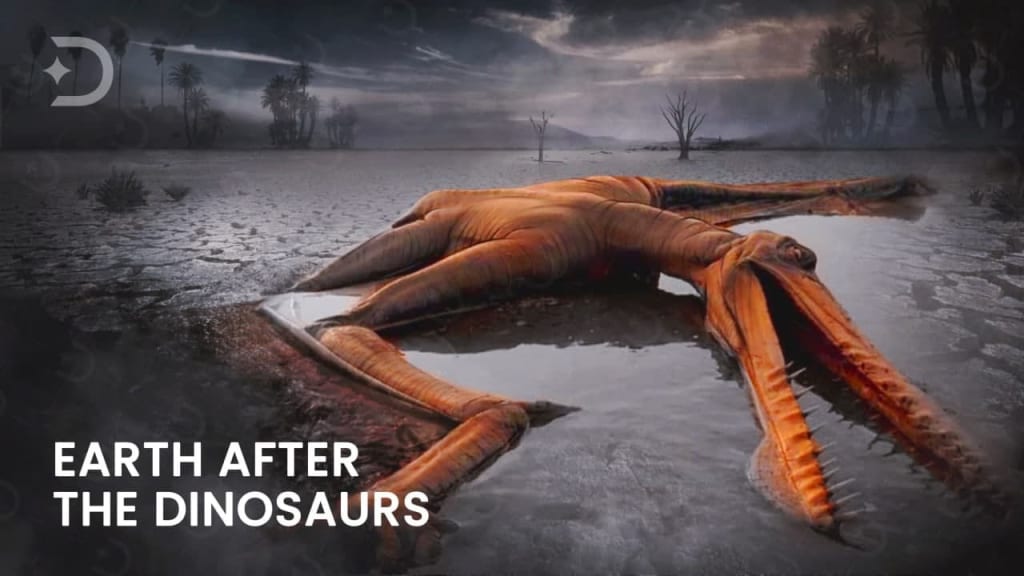
66 million years ago an asteroid as big as Mount Everest was headed on a deadly collision course with Earth. The impact was so devastating that it wiped out the most gigantic deadliest reptiles to ever roam our planet, but the dinosaurs didn't just die from one big boom.
No! They faced a slow agonizing end.
How did this extinction event cause the largest tsunami Earth has ever seen? And what exactly happened after the big reptiles were gone?
Hold on tight! We're taking you on the most epic and deadly trip of your life.
This dinosaur ending asteroid is terrifying. Not only was it about 10 kilometers in diameter but it also traveled incredibly fast, between 10 and 30 kilometers per second. At this point, it was a blazing fireball as it hurtled down to earth. The air in front of it was compressing and heating up to unimaginably hot temperatures.
Just before the impact, the asteroid could have been as hot as the surface of the Sun. Once it entered our atmosphere, it only took this massive Space Rock a few seconds to reach Earth's surface and alter the course of life forever.
As the asteroids slammed into Earth, off the coast of where Mexico is now, it sent huge amounts of debris up into the air. The shocking blast wave killed everything in its way and from here it was only getting worse.
Yeah!
66 million years ago, Earth was going through some rough times. Right now, our planet's not facing a giant asteroid, but we are facing increasingly severe environmental crises.
This powerful blast ejected bits of the Earth's surface into the atmosphere. Minutes later scorching hot pieces of glass and rock rained back down. Some of the debris reacted with the atmosphere causing acid rain that would last for years. The land was burning. The fires caused by this devastating impact spread across the continent like literal wildfire, killing more and more life along the way. Then just when you thought the apocalyptic scenario couldn't get any more intense, well it did!
The impact of the asteroid hitting Earth was so powerful that it sent shock waves through the planet. All that energy had to go somewhere. Cue, the mega tsunami!
A wall of water, over 10 meters high, raced across the ocean. This wasn't your regular tsunami. It was a staggering thirty thousand times more powerful than anything you see today.
As this monstrous wave spread across, the North Atlantic and South Pacific coastlines didn't stand a chance. The wave hit with such force that it destroyed and reshaped the continent.
If you were there to witness this apocalyptic destruction, well you wouldn't survive any of it. However, some dinosaurs did.
Yeah!
The ones further away from Ground Zero weren't immediately obliterated by the impact. They weren't incinerated by the resulting infernos, and they managed to avoid being swept away by the mega tsunami. Still their fate was sealed as the dust began to settle. It was the start of a nuclear winter even though it wasn't nuclear weapons that caused it.
The effect was the same. The massive amount of debris in the air blocked the sunlight for months, maybe even years. Earth suddenly became a cold dark place and the Dinos weren't ready for it. As temperatures plummeted and fires released enormous amounts of greenhouse gases, the climate changed dramatically. Plants couldn’t perform photosynthesis and most of them started to die out. This disrupted the food chain and starved many of the animals that survived the impact.
Acid rain lasted for several years causing more devastation to the ecosystems. The oceans became too acidic for marine life. Most ocean species didn't have the time to adapt to such a drastic change. These prolonged harsh conditions, together with the initial blast, pushed about 75% of Earth's life to extinction.
The good news is that this included the horrifying T-Rex.
Yeah!
As much as I feel bad for this guy, I'm happy he's not running around today. When the last of the dinosaurs breathed their last breath Earth became an empty and devastated place.
When did things get back to normal? Earth didn't rebuild after that it reinvented itself one thousand years later. The planet was recovering from the post-apocalyptic winter. It was still cold, and food was still scarce, but life was ready to make a comeback in this new wild world.
A few furry little critters were sprinting around among the first plants to reappear after the impact. 100,000 years later, Earth began to get a little livelier. Creatures, about the size of raccoons, were repopulating the continents. The oceans were once again teeming with life.
Fast forward about 10 million years and Earth had finally restored its biodiversity. Only it wasn't the same Earth as it used to be. Now it was the age of mammals.
Yeah!
After the dinosaurs checked out, mammals were on fire. Mammals together with birds and flowering plants were rocking the planet. Earth never got back to its old self after the last dinosaur died. It took our planet millions of years to bounce back in a new way but don't get me wrong this world was still terrifying.
About the Creator
Eve Pierre
Hello. I am a Software Engineer \ Programmer Analyst who loves to read and write. Thank you for reading my stories.
Enjoyed the story? Support the Creator.
Subscribe for free to receive all their stories in your feed.
Comments
There are no comments for this story
Be the first to respond and start the conversation.