

Family Baboon
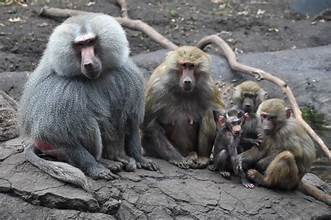
Baboons typically form complex social structures within their troops, which can consist of several families. Troops can range from a few individuals to over a hundred, depending on the species and environmental conditions. Family relationships are crucial for baboons, with strong bonds formed between mothers and their offspring. Baboons often engage in grooming behaviors, which help strengthen social ties. Each member of the troop has specific roles, including foraging, protecting the group, and caring for young. Males typically leave their natal troops upon reaching maturity, while females usually remain with their family. Baboons communicate through vocalizations, facial expressions, and body language, which play a significant role in maintaining social harmony within the troop.
Family Elephant
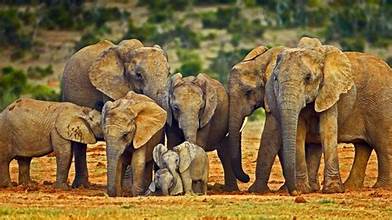
Elephant families are matriarch-led. Their groups rely on the wisdom of their elders to guide them along their way and through any challenges. Elephant reunions are always heartwarming. These gentle giants communicate through deep rumbles and share their knowledge with new generations. Elephant calves learn vital life skills by observing their mothers and aunts and create strong bonds. When they meet at watering holes and feeding places, they greet each other affectionately.
Elephants express their emotions in different ways. Elephants can show great joy and happiness, and they can also show other emotions. Elephants demonstrate concern for members of their families. They take care of weak or injured members and appear to grieve over a dead companion.
Typically, elephants begin a playing session by trumpeting and also engage in solitary play as well as in group play.
Family Gorilla
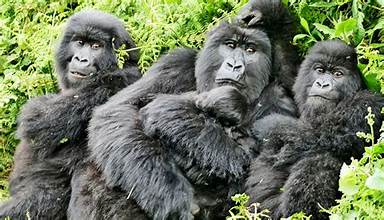
Deep in the jungle, gorillas are led by a silverback, forming groups that are all about nurturing and protection and forming close-knit communities. The backbone of their relationships is playing and grooming. Youngsters lean by imitation and start to understand the importance of social bonds.
A family of gorillas is commonly called a "troop." This term reflects their structured social units, which typically consist of a dominant male, known as a silverback, along with several females and their offspring. Troops can vary in size, usually containing about five to ten gorillas, but they can sometimes grow to over fifty individuals.
Family Lion
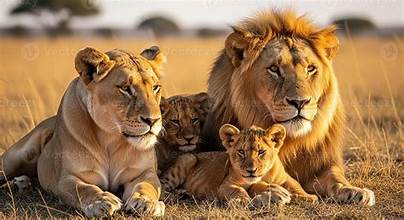
A family of lions is called a pride. A pride typically consists of related female lions, their cubs, and a small number of adult males. This social structure allows lions to cooperate in hunting and raising their young, making them unique among big cats. Usually related, they often hunt together and care for the cubs. Typically, one or a few adult males are part of the pride, often competing for dominance. Lions are the only big cats that live in social groups, which helps them thrive in their natural habitats.
Family Meercat
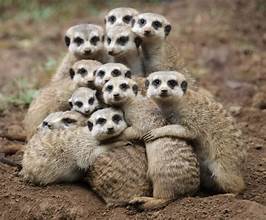
In the desert, meerkats stand tall, looking like sentinels. They are led by a dominant pair, and each member takes turns caring for babies, foraging, and keeping watch. The meerkat social structure is a lesson in cooperations where responsibility is shared and danger faced together. The playful antics of the pups create close-knit relationships, ensuring each meerkat knows they’re never alone.
Meerkats live in cooperative packs of 3 to 25 with partially overlapping home ranges of a few square kilometers, which they mark with secretions of the anal glands. Packs will chase or fight one another if they meet. They live in burrowing systems, and the packs spend the night inside, and pups are born there.
Family Orca
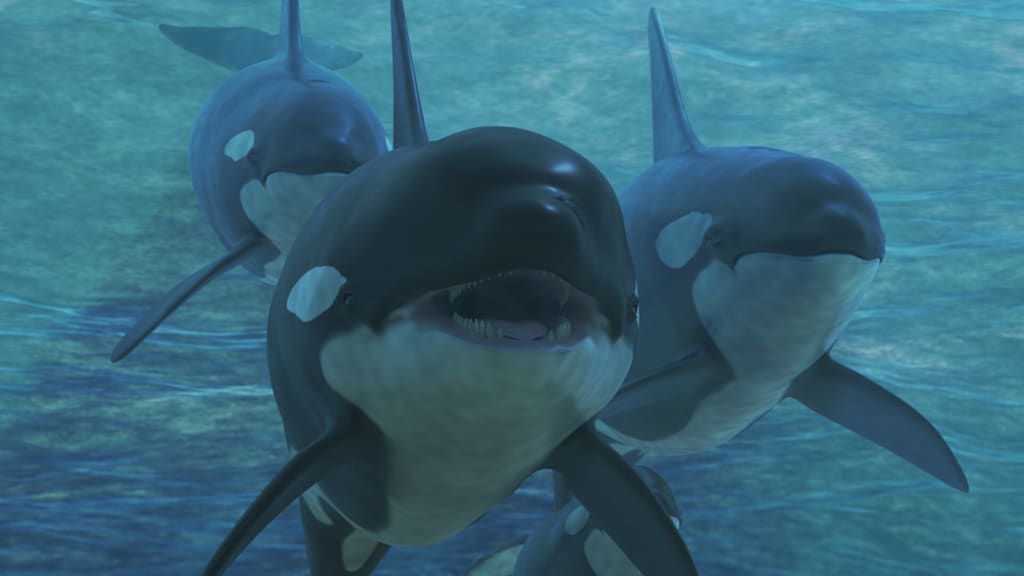
Orcas are often referred to as wolves of the sea. They live in close-knit pods and will travel, hunt, and play together. Mother orcas and calves stay connected for life. They communicate with each other through clicks and whistles. Their social structure ensures each member has a role, from nurturing the young to finding food in the vast ocean.
Orca families, known as pods, are highly social and matrilineal. Orcas, or killer whales, live in tight-knit family groups called pods, which can consist of a few individuals to over 40 members. These pods are often matrilineal, meaning they are led by females, typically the oldest mother. Each pod has its own distinct calls and sounds, which can vary significantly between different pods. (pictured above)
Family Penguin
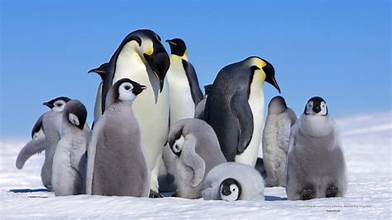
Penguins typically form monogamous pairs, often mating for life, especially in species like the emperor penguin. Both parents are involved in nurturing their young, sharing responsibilities such as incubating eggs and feeding chicks. The commitment to family is notable, with some species demonstrating behaviors similar to human parenting. Penguins communicate through vocalizations and body language, which helps maintain social bonds within their families and colonies.
Family Wolf
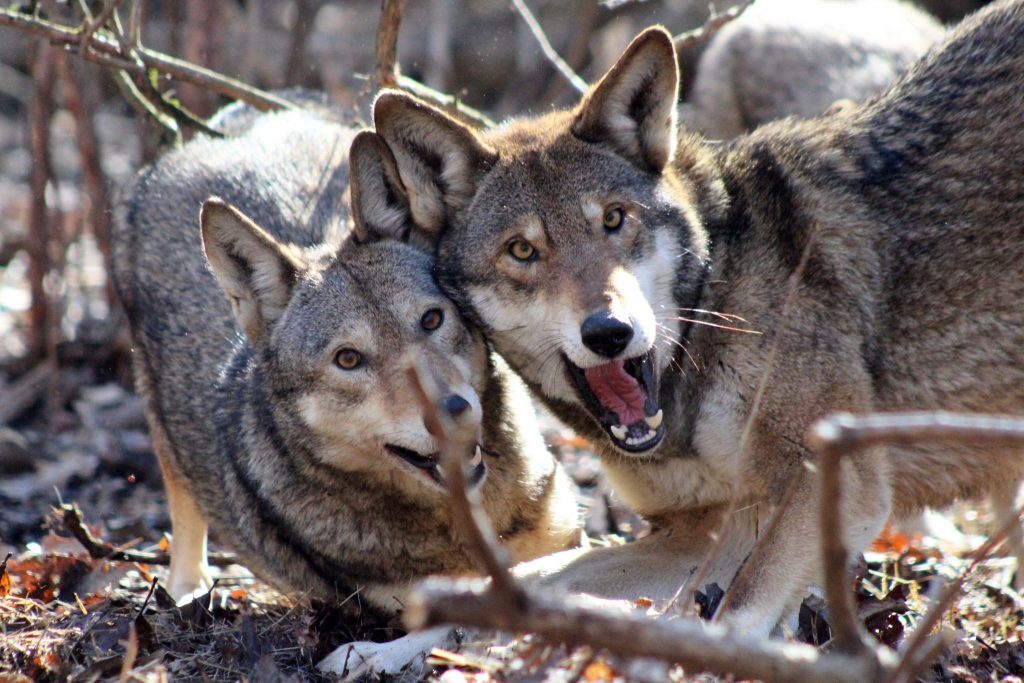
In the wolf family, the alpha pair leads their pack and makes sure everyone knows their roles. In their world, family comes first. Wolves are social animals and rely heavily on each other for survival and for teaching young pups. With playful nips and howls, they pass down hunting skills and the dynamics of the pack. Their family bonds remain unbreakable through loyalty and trust. They typically consist of a breeding pair and their offspring, working together to hunt, defend territory, and raise young. A typical wolf pack includes around six to seven members, although larger packs can form when multiple females have pups. All pack members contribute to raising the pups, showcasing a strong sense of cooperation.
About the Creator
Rasma Raisters
My passions are writing and creating poetry. I write for several sites online and have four themed blogs on Wordpress. Please follow me on Twitter.
Enjoyed the story? Support the Creator.
Subscribe for free to receive all their stories in your feed. You could also become a paid subscriber, letting them know you appreciate their work.
Comments
There are no comments for this story
Be the first to respond and start the conversation.