
Waste Tire Pyrolysis Industry Chain Analysis: Costs, Supply, and Market Potential
Analyzing the Tire to Oil Industry Chain
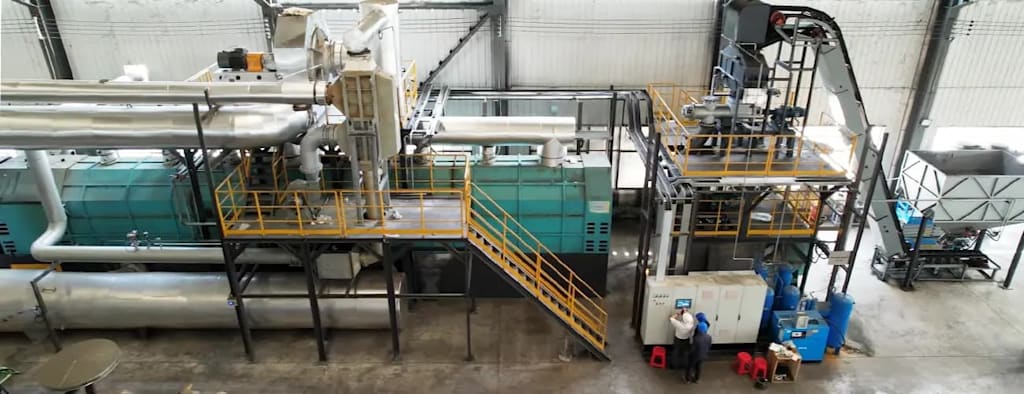
The global accumulation of waste tires presents both an environmental challenge and a commercial opportunity. With millions of tires discarded each year, tire pyrolysis—the process of converting waste tires into fuel and other valuable byproducts—has emerged as a promising solution. Modern tire to oil plants enable this transformation, creating a complete industrial chain that spans raw material acquisition, processing, and product distribution.
Raw Material Acquisition and Cost
The success of a tire pyrolysis operation largely depends on the availability and cost of raw materials. Waste tires can be sourced from:
- Automobile repair shops and tire dealers: Tires that have reached the end of their useful life.
- Municipal solid waste programs: Collection from landfills and recycling centers.
- Industrial fleets and transportation companies: Large volumes of used tires with predictable supply.
The cost of acquiring waste tires varies depending on location, collection logistics, and local regulations. In some regions, tires are considered a waste disposal responsibility, allowing pyrolysis operators to obtain them at minimal or even negative cost, meaning suppliers may pay to have them removed. In other areas, high demand for raw tires for recycling or resale may increase procurement costs. Efficient collection and transportation networks are critical to maintaining a competitive operation.
Products and Market Potential
Waste tire pyrolysis generates several valuable products, each with distinct market applications:
1. Fuel Oil
The primary product of tire pyrolysis is pyrolysis oil, sometimes called tire-derived oil. It can be used as:
- Industrial fuel for cement kilns, boilers, and furnaces.
- Feedstock for further refining into diesel-like fuels or gasoline alternatives.
The market for fuel oil is driven by industries seeking lower-cost energy alternatives. Its value is influenced by crude oil prices, regulatory policies on emissions, and local energy demand.
2. Diesel Alternatives
With additional refining, tire pyrolysis oil can serve as a diesel substitute. While not meeting all standards of conventional diesel, it is suitable for:
- Industrial engines with less stringent emission requirements.
- Blending with conventional fuels to reduce fossil fuel consumption.
Growing interest in sustainable energy and the rising cost of traditional diesel fuels enhance the commercial attractiveness of these alternatives.
3. Carbon Black
Another byproduct is carbon black, a fine powder traditionally derived from petroleum. Pyrolysis-generated carbon black can be used in:
- Rubber manufacturing, including new tires and industrial products.
- Pigments in inks, paints, and plastics.
Although the quality of pyrolysis carbon black is lower than virgin carbon black, it is sufficient for many industrial applications. The market for carbon black continues to expand, driven by the tire and automotive industry as well as construction and electronics sectors.
Supply Chain Integration
A successful tire pyrolysis enterprise requires careful integration of its supply chain. Key considerations include:
- Collection and storage: Ensuring a consistent supply of tires and safe storage to prevent fire hazards.
- Processing through a tire to oil plant: Efficient pyrolysis equipment maximizes oil yield and produces high-quality carbon black and steel.
- Product marketing: Establishing reliable buyers for fuel oil, diesel substitutes, and carbon black to maintain cash flow.
Vertical integration—handling both raw material collection and product distribution—can improve margins and reduce dependence on third parties. Cooperation with local governments and industrial consumers often ensures stable supply and demand.
Economic and Environmental Impact
Investing in tire pyrolysis addresses multiple challenges:
- Economic: Generates multiple revenue streams from fuel and byproducts while creating local jobs in collection, processing, and logistics.
- Environmental: Reduces landfill accumulation and open burning of tires, mitigating soil, air, and water pollution.
- Energy security: Provides alternative fuel sources and decreases reliance on conventional fossil fuels.
Modern tire to oil plants, with proper emissions controls, operate within environmental regulations and can be part of a circular economy, converting waste into energy and raw materials for industry.
Conclusion
The waste tire pyrolysis industry is a compelling combination of environmental remediation and economic opportunity. By understanding raw material costs, supply dynamics, and product markets, entrepreneurs and industrial players can develop efficient and profitable tire to oil operations. With the rising demand for alternative fuels, sustainable materials, and responsible waste management, the industry chain for tire-derived products has strong growth potential. Integrating supply, processing, and marketing is key to capturing the full value of this resource, turning discarded tires into a source of energy, industrial materials, and profit.
About the Creator
Enjoyed the story? Support the Creator.
Subscribe for free to receive all their stories in your feed.
Comments
There are no comments for this story
Be the first to respond and start the conversation.