
Waste Plastic to Fuel Conversion: A Sustainable Path Toward a Circular Economy
Turn Plastic Pollution Into Valuable Energy Resources
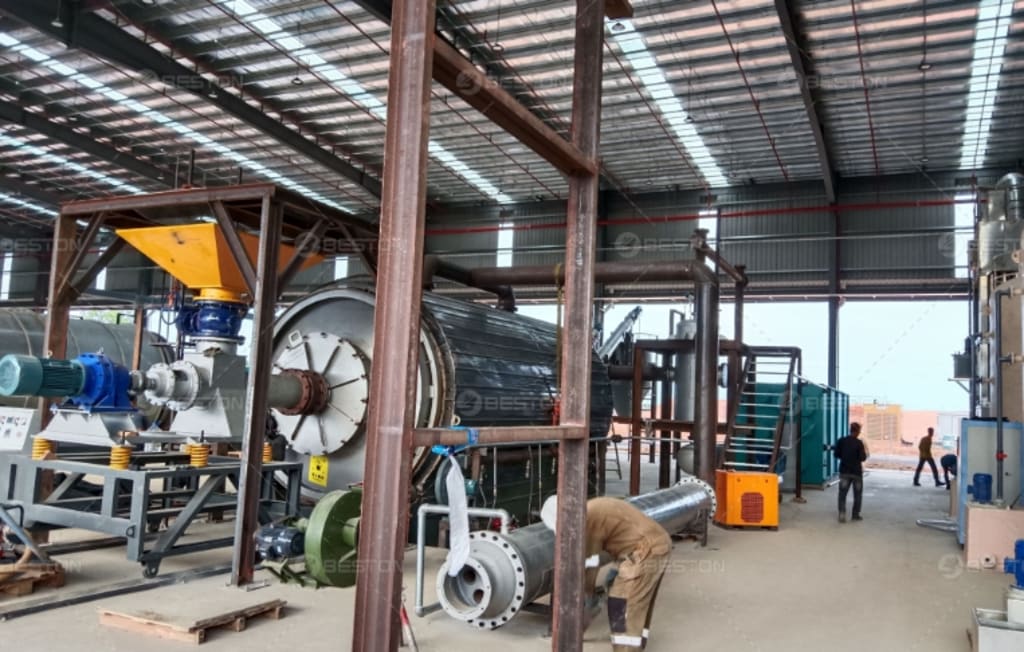
Plastic waste has become one of the most pressing environmental challenges of the 21st century. Every year, millions of tons of plastic are discarded into landfills, rivers, and oceans, causing severe ecological damage and threatening both wildlife and human health. At the same time, global energy demand continues to rise, creating pressure on natural resources and increasing greenhouse gas emissions. Against this backdrop, waste plastic-to-fuel conversion has emerged as a promising solution that addresses two major problems simultaneously: plastic pollution and energy scarcity.
By converting non-recyclable plastic waste into usable fuels such as diesel, gasoline, and synthetic gas, this technology supports sustainable development and promotes the transition toward a circular economy. Instead of treating plastic waste as useless garbage, plastic to fuel machine recognize it as a valuable resource that can be recovered and reused.
The Growing Problem of Plastic Waste
Modern society relies heavily on plastic because it is lightweight, durable, and inexpensive. Plastics are used in packaging, electronics, healthcare products, transportation, and countless household items. However, the convenience of plastic comes at a high environmental cost.
According to environmental organizations, a significant portion of global plastic waste is either landfilled or leaked into the environment. Many types of plastic are difficult to recycle through traditional methods due to contamination, mixed materials, or economic limitations. As a result, huge amounts of waste continue to accumulate around the world.
Plastic pollution affects marine ecosystems, harms wildlife, and contributes to microplastic contamination in food and water supplies. In addition, the production and disposal of plastic rely heavily on fossil fuels, increasing carbon emissions and accelerating climate change.
These challenges have encouraged governments, industries, and researchers to explore innovative waste management technologies that can reduce environmental impacts while creating economic value.
How Waste Plastic-to-Fuel Conversion Works
Waste plastic-to-fuel conversion refers to a group of technologies that transform plastic waste into liquid or gaseous fuels. One of the most common methods is pyrolysis.
During pyrolysis, plastic waste is heated at high temperatures in the absence of oxygen. Because there is no oxygen, the plastic does not burn. Instead, it breaks down into smaller hydrocarbon molecules, producing products such as liquid oil, gas, and char.
The liquid oil can be refined into fuels similar to diesel or gasoline, while the gas generated during the process can often be reused to power the system itself, improving energy efficiency.
Different types of plastics, including polyethylene (PE), polypropylene (PP), and polystyrene (PS), are suitable for fuel conversion. These materials are commonly found in packaging, plastic bags, containers, and disposable products.
Compared with traditional incineration, plastic-to-fuel technology offers several advantages. It reduces landfill dependency, recovers energy from waste, and may lower harmful emissions when properly managed with modern environmental controls.
Contribution to Sustainable Development
Waste plastic-to-fuel conversion aligns closely with the principles of sustainable development. Sustainable development aims to balance economic growth, environmental protection, and social well-being to meet present needs without compromising future generations.
1. Environmental Benefits
One of the most important advantages of plastic-to-fuel technology is waste reduction. By diverting plastic waste from landfills and oceans, the technology helps reduce pollution and environmental degradation.
In addition, converting waste into fuel supports resource recovery. Plastics are originally produced from petroleum-based materials, so recovering energy from discarded plastics helps maximize the value of existing resources.
Modern systems equipped with emission control technologies can also reduce harmful pollutants compared with uncontrolled burning or open dumping, which remain common in some developing regions.
2. Economic Opportunities
The plastic-to-fuel industry has the potential to create jobs in waste collection, sorting, transportation, plant operation, and equipment maintenance. As governments and companies invest in green technologies, new business opportunities continue to emerge.
For countries with limited fossil fuel resources, converting domestic plastic waste into fuel can also improve energy security and reduce dependence on imported energy.
Moreover, waste-to-fuel plants can support local economies by encouraging innovation and investment in sustainable infrastructure.
3. Social Impact
Cleaner communities and improved waste management systems contribute to better public health and quality of life. Reducing plastic pollution in urban areas and waterways can lower health risks associated with contaminated environments.
Public awareness campaigns related to recycling and sustainable waste management can also encourage responsible consumption habits and strengthen environmental education.
The Future of Plastic-to-Fuel Technology
As global attention toward sustainability increases, waste plastic-to-fuel conversion is likely to play a growing role in integrated waste management systems. Advances in chemical recycling, artificial intelligence, and process optimization are improving efficiency and reducing operational costs.
Many governments are introducing policies that encourage circular economy practices, renewable energy development, and responsible waste management. Partnerships between private companies, universities, and environmental organizations are also accelerating innovation in this field.
In the future, waste plastic-to-fuel systems may become part of broader smart city and green energy strategies, helping societies move toward lower-carbon and more resource-efficient economies.
Conclusion
Waste plastic-to-fuel conversion represents an innovative approach to one of the world’s most urgent environmental problems. By transforming plastic waste into valuable energy resources, this technology supports sustainable development through environmental protection, economic growth, and social improvement.
Although challenges remain, continued investment, technological advancement, and responsible regulation can help maximize the benefits of this emerging industry. Ultimately, waste plastic-to-fuel conversion should be viewed as part of a larger sustainability strategy that includes reducing plastic consumption, improving recycling systems, and promoting a circular economy.
As societies seek cleaner and more sustainable solutions for the future, turning waste into energy may become an important step toward building a greener planet.
About the Creator
Enjoyed the story? Support the Creator.
Subscribe for free to receive all their stories in your feed.
Comments
There are no comments for this story
Be the first to respond and start the conversation.