

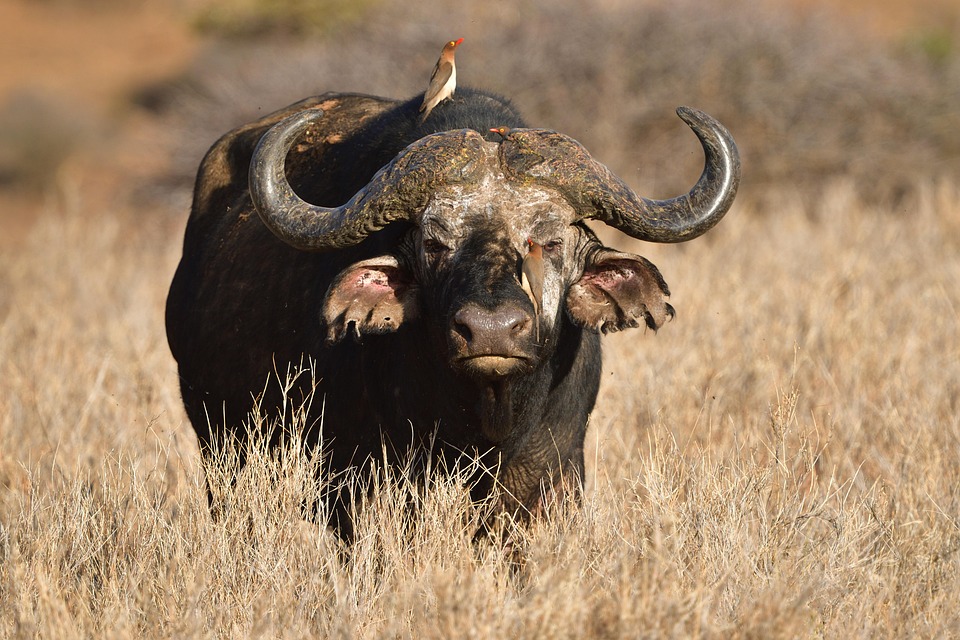
Cape buffalo bulls are infamously violent and erratic, earning them the nickname “Black Death” or “Widow Maker." They are composed of a bone core wrapped in a keratin sheath, and they have big horns fused to their skulls. Because of this, the horns are robust, long-lasting, and capable of causing significant harm. A powerful weapon, the horns form a big “C” shape that curves upward and outward before turning back inside toward the skull. The Cape buffalo can easily kill a lion or any other predator with a single, strong push from its horns and will charge or strike if threatened.
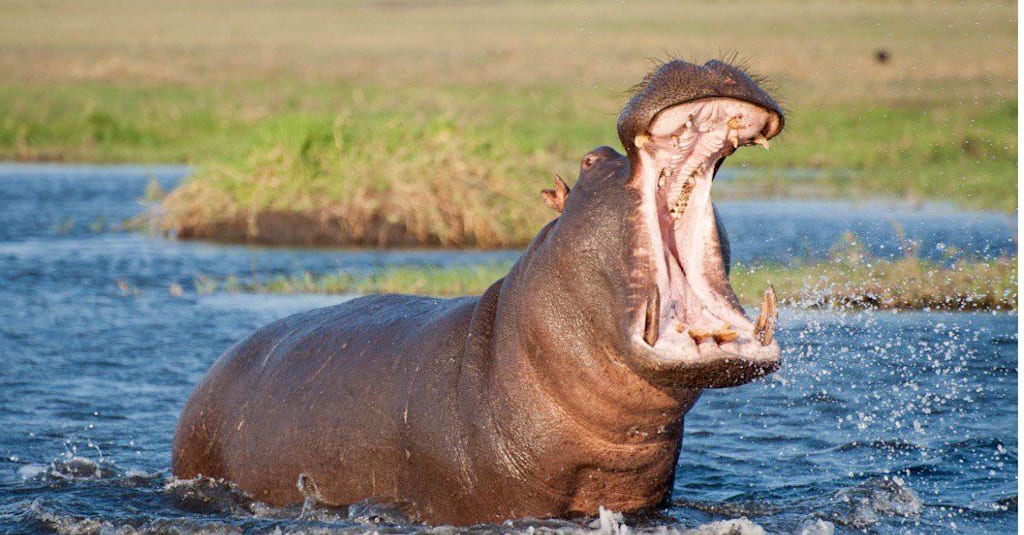
Despite being herbivores, hippopotamuses, or Hippopotamus amphibius, are extremely dangerous due to their violent nature. Aside from mosquitoes that spread illness, these are the creatures that kill more people in Africa. Male hippos are larger than females, and there are those that weigh in at 4500 kg. Sub-Saharan Africa is home to four subspecies. An interesting fact is that Pharaoh Narmer, the first pharaoh to combine Upper and Lower Egypt, perished in a hippo attack while on a hunting excursion.
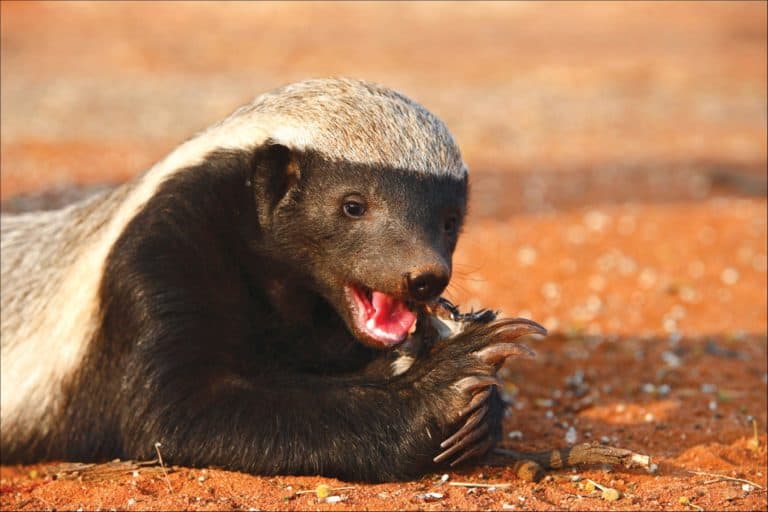
The honey badger, Mellivora capensis, is a mustelid that is renowned for its unmatched ferocity. They face their predators, like lions and leopards, head-on and frequently force them to abandon their hunting spirit. When battling lions or leopards, the honey badger’s specialization is to search for their crotch and inflict wounds with their strong teeth and nails, inflicting pain in the most vulnerable place on their bodies.
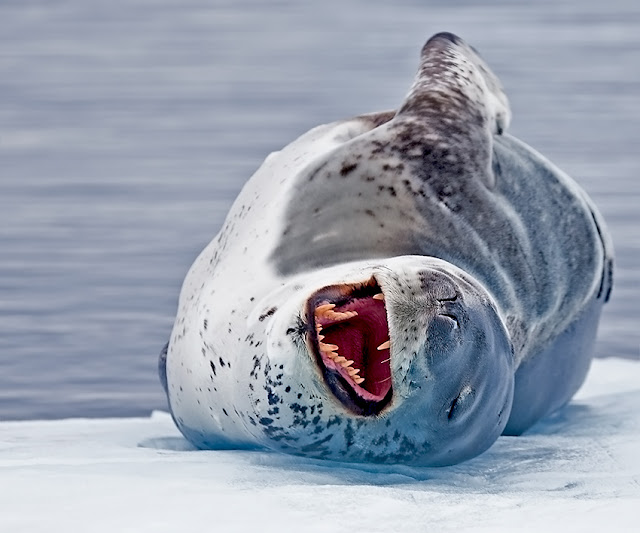
Hydrurga leptonyx, the leopard seal, is an extremely hostile creature. They do not fear anyone or anything. Females are larger than males, weighing in at 600 kg. Their regular prey included Emperor penguins, other seals, fish, squid, and carrion. Large sharks and killer whales hunt young leopard seals, but they rarely attack adults. Leopard seals hunt brutally because their jaws are small for their size. After severely biting their prey, they shake their head violently, knocking the victim to the ground, until they are done. When hunting in the water, these seals tear off portions of their prey.
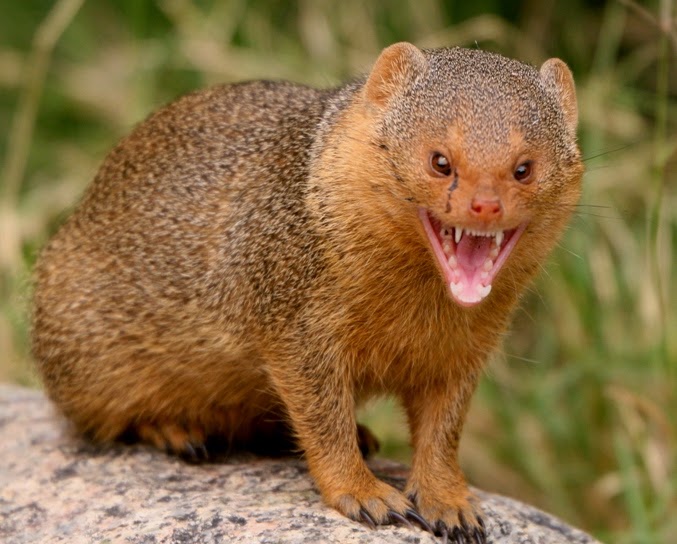
The mongoose is a member of the Herpestidae family. Aggression is a common trait across the 33 species of mongoose that exist today in Africa and Eurasia. Like other herpestid species, the mongoose can consume deadly snakes. They won’t think twice about confronting lions if cornered. The planet’s equatorial and temperate regions are home to these creatures. Domestic mongooses are frequently seen in rural India, where they are used to hunt mice as well as all types of serpents, including snakes.
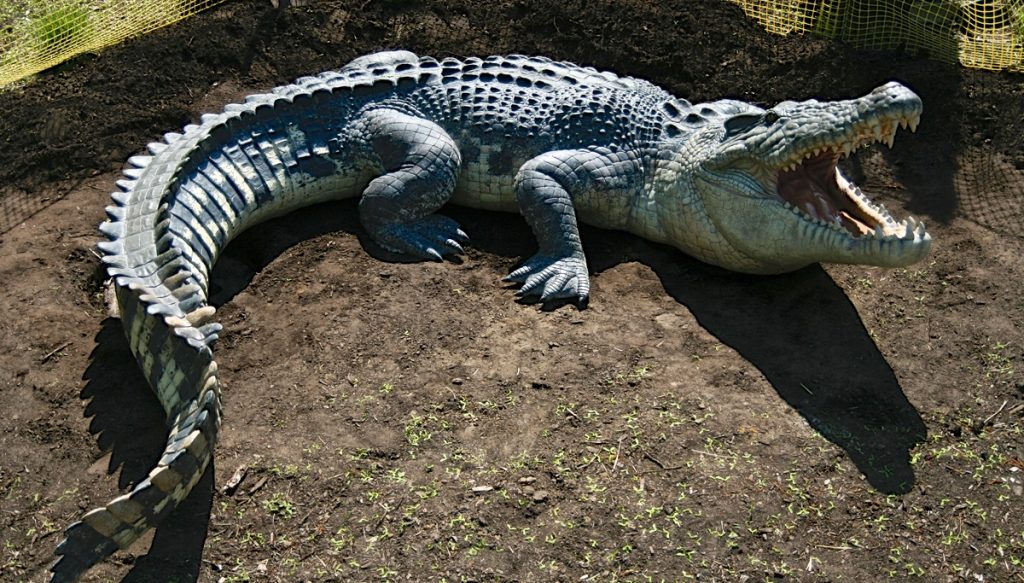
The largest and most ferocious living reptile on Earth is this apex predator, the saltwater crocodile. Its strong jaws are equipped with razor-sharp teeth that can bite through bone. They can swim up to 18 miles an hour and are very good swimmers. If a saltwater crocodile feels frightened or hungry, it will attack any creature, even people. Unaware of their presence, they have been known to lurk beneath the water’s surface and ambush gullible targets.
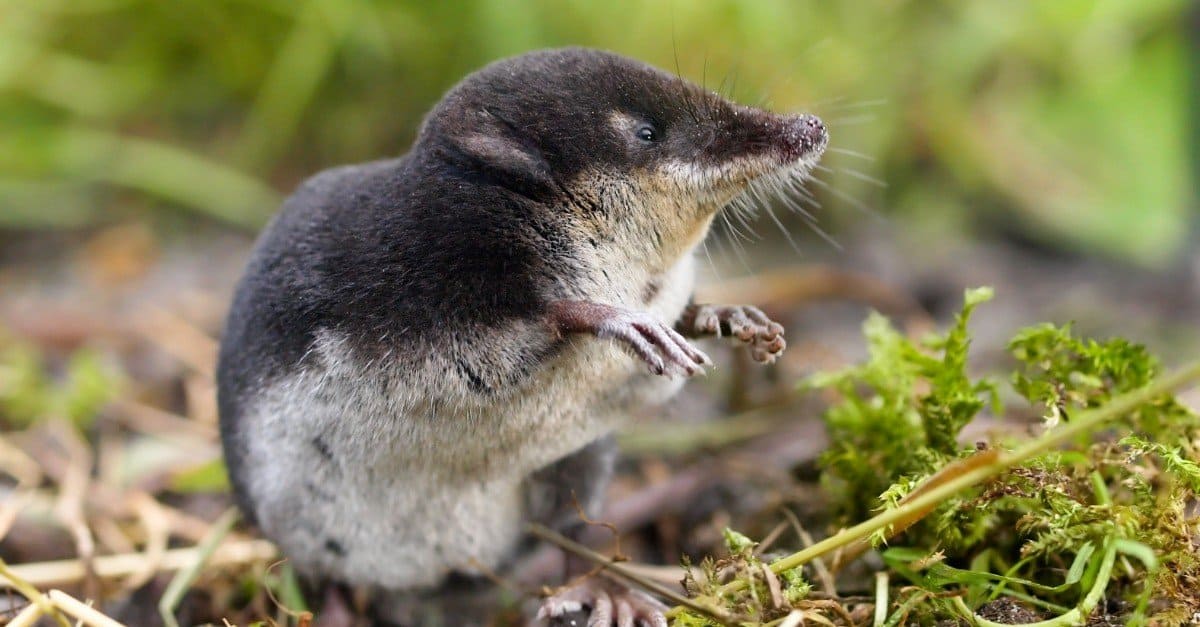
Shrews are little animals belonging to the Soricidae family. These creatures are murderous machines. They must eat all of their weight, which is around 100 g, in insects, worms, lizards, mice, or snails every day; therefore, they cannot go more than four hours without feeding. Shrews weaken their prey by secreting a poisonous toxin.
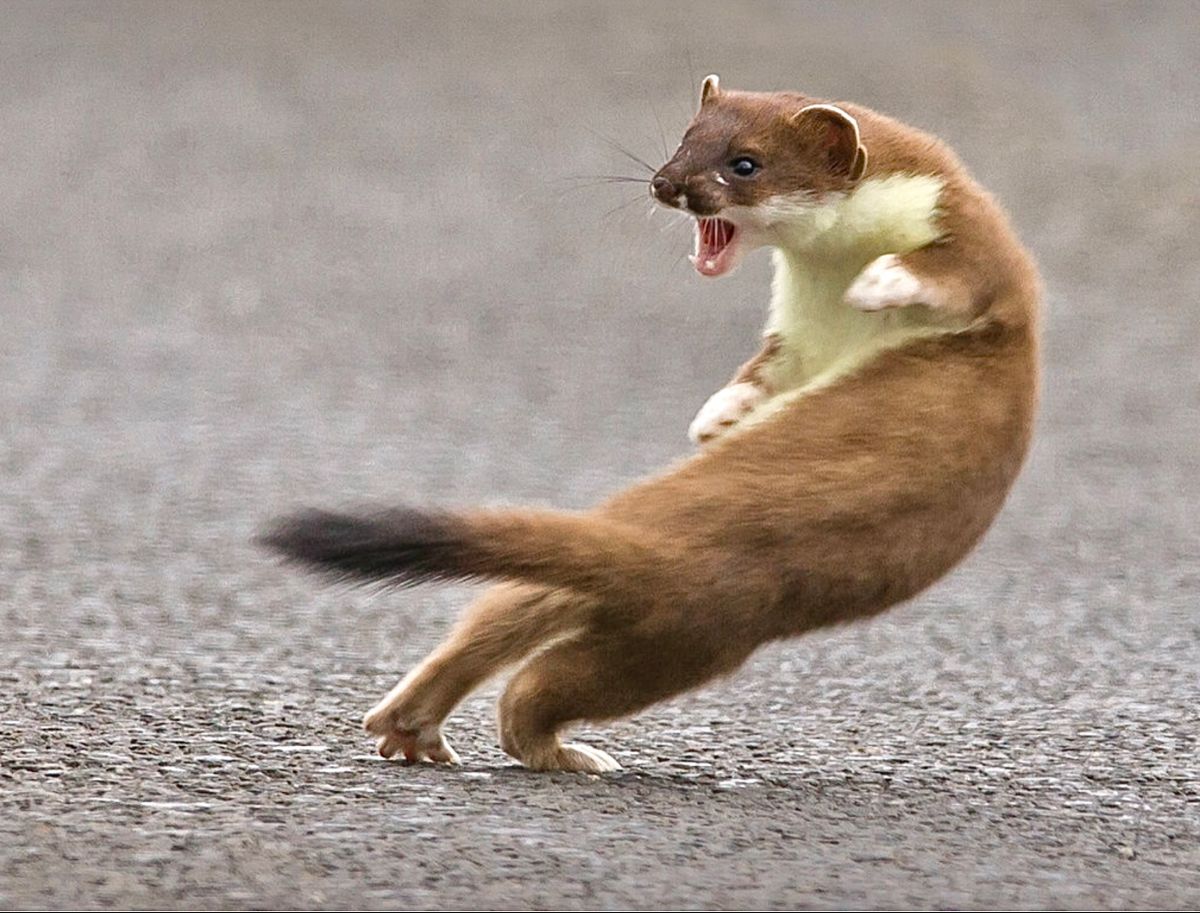
Some of the most ferocious and aggressive animals on Earth come from the mustelid family of animals. The stoat, Mustela ermine, includes over 30 subspecies and is the smallest of the mustelids. They are capable of hunting prey 20 times heavier by surprising them from behind and biting them on the nape with their razor-sharp teeth. These animals won’t stop attacking until their victim is bleeding and dies. Stoats have great agility of movement.
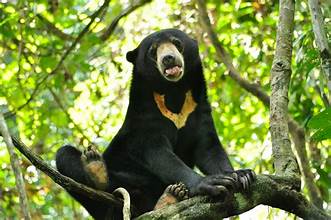
Even though sun bears are the smallest of the bear species, they are the most aggressive. Their name comes from the characteristic yellow or golden “U” shape on their chests, resembling the rising sun. These bears are found in the tropical forests of India, Myanmar, Thailand, and Southeast Asia. They are omnivores but will attack other animals if they feel threatened or their territory is invaded. Sun bears have powerful jaws lined with sharp teeth and will stand on their hind legs and growl or roar to warn attackers. If the threat persists, they will attack with their razor-sharp claws and powerful bites. To evade possible attackers, they are great tree climbers.
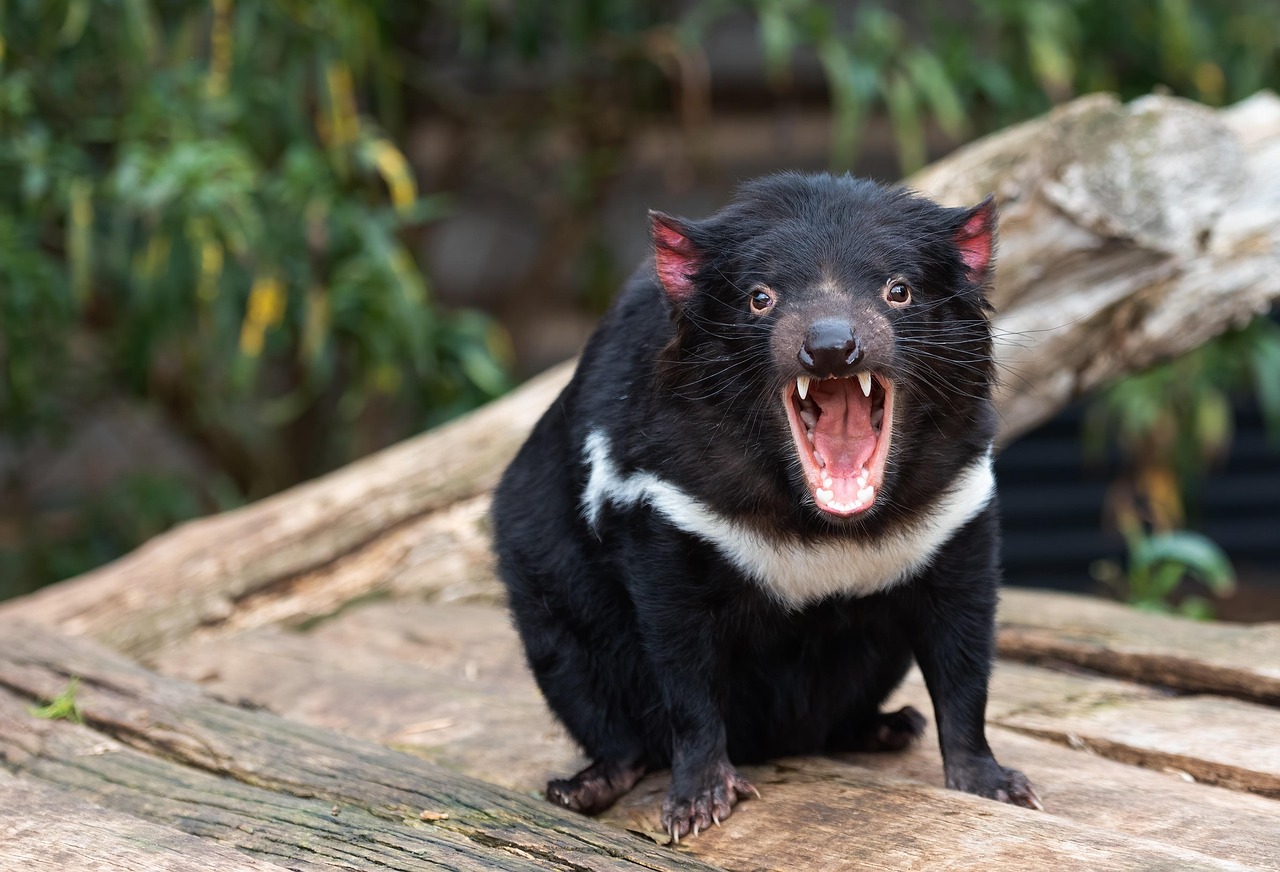
The island of Tasmania is home to the carnivorous marsupial known as the Tasmanian devil. It is a formidable hunter with a powerful bite and keen fangs and consumes carrion, insects, reptiles, and small marsupials. Its appearance and habits, which include its crimson mouth and ears as well as its loud screeching sounds, give it its name. Tasmanian devils are renowned for their fierceness and fight without hesitation over food or mates. When it feels threatened, it will charge its attacker while howling, yelling, and flashing razor-sharp teeth.
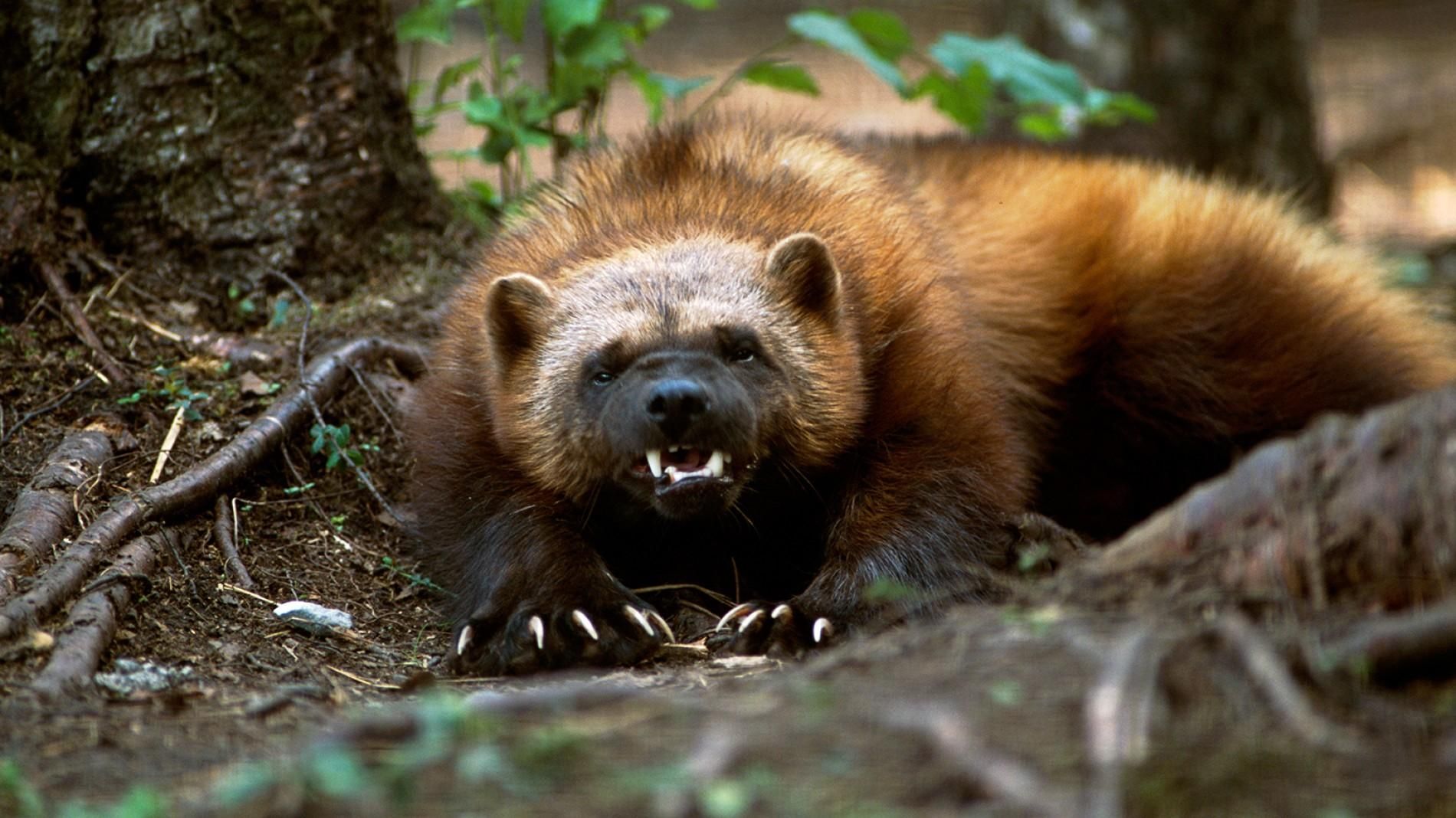
The second largest mustelid is the wolverine or Gulo gulo, after the huge sea otter. Compared to most mustelids, which are thin and stylized their muscular, compact, and solid appearance more closely resembles that of a tiny bear. These animals are renowned for their strength, fury and capacity for predatory behavior. They’re known to be fearless when confronted by bears or wolves and are powerful predators that engage in combat in which the wolverine wins. The northern boreal woodlands are their home.
About the Creator
Rasma Raisters
My passions are writing and creating poetry. I write for several sites online and have four themed blogs on Wordpress. Please follow me on Twitter.
Enjoyed the story? Support the Creator.
Subscribe for free to receive all their stories in your feed. You could also become a paid subscriber, letting them know you appreciate their work.
Comments
There are no comments for this story
Be the first to respond and start the conversation.